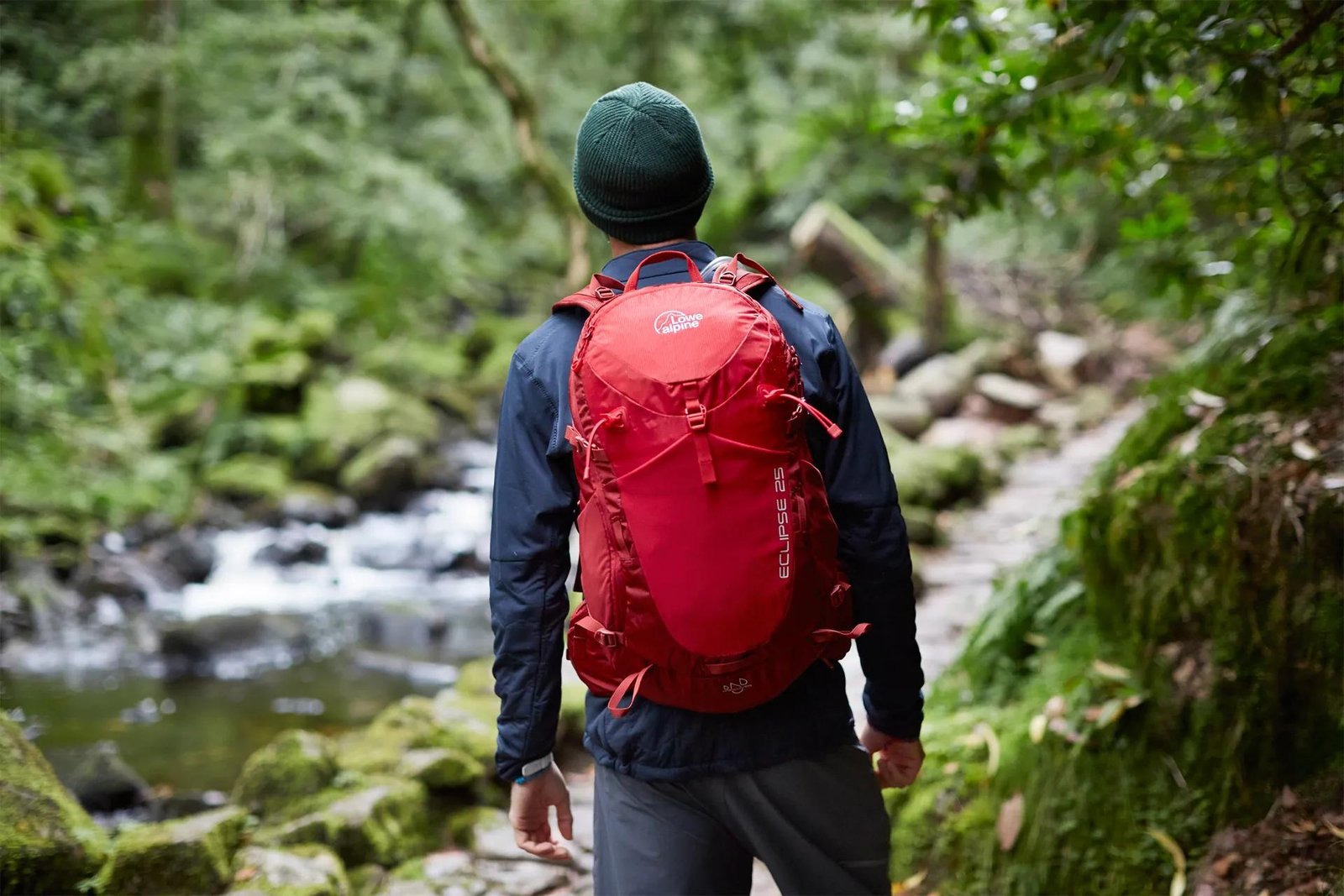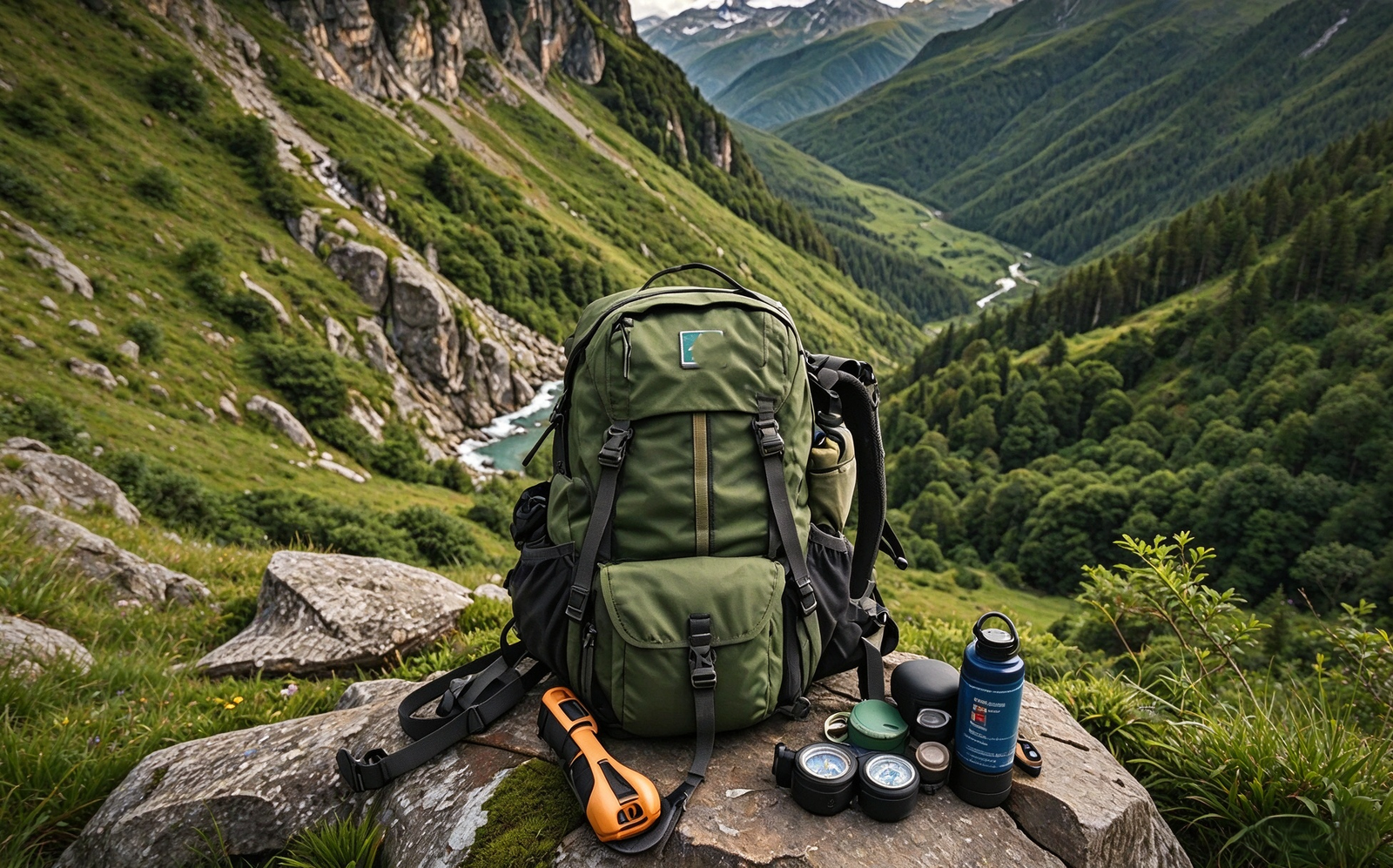
A hiking backpack can make a good day on the trail a lot more comfortable—or make every mile feel harder than it needs to be.
The tricky part is that there isn’t one perfect backpack for everyone. A small daypack might be all you need for a few hours outdoors, while an overnight trip requires room for a sleeping bag, shelter, food, water, and extra clothing.
For this guide, I’m focusing on the things that matter when choosing a pack: capacity, fit, organization, weight, weather protection, and overall value. Rather than assuming the most expensive pack is automatically the best, I’ll explain what each type of backpack is suited for and what to check before buying.
Quick Picks: Which Hiking Backpack Should You Choose?
| Backpack type | Best for | Typical capacity |
|---|---|---|
| Lightweight daypack | Short hikes and everyday trails | 15–25L |
| Versatile daypack | Full-day hikes | 20–35L |
| Overnight backpack | One-night trips | 35–50L |
| Multi-day backpack | Longer backpacking trips | 50–70L |
| Lightweight frameless pack | Experienced ultralight hikers | Varies by gear and load |
| Hydration backpack | Short, fast hikes | 5–15L |
| Budget hiking pack | Occasional hiking and beginners | 20–40L |
These capacity ranges are general guidelines, not strict rules. Bulky sleeping gear, cold-weather clothing, and the size of your food supply can change how much space you need.
1. Best Overall: A Versatile 25–35L Hiking Backpack
For most day hikers, a versatile backpack in the 25–35L range is a sensible place to start.
It can usually hold water, food, a rain jacket, an extra layer, a first-aid kit, and a few personal items without feeling unnecessarily large. Depending on the design, there may also be room for a camera, trekking accessories, or additional layers.
What to look for:
- Adjustable shoulder straps and a comfortable back panel
- A chest strap and, ideally, a supportive hip belt
- Side pockets that are easy to reach
- A separate place for small essentials
- Durable zippers and fabric
Potential drawback: A larger daypack can tempt you to carry more than you need.
Amazon recommendation: Compare 25–35L hiking backpacks with adjustable straps and a supportive hip belt.
Amazon affiliate button here: Check Price on Amazon
2. Best for Short Hikes: A Lightweight 15–25L Daypack
If your usual hikes last a few hours, a smaller pack may be all you need.
A lightweight daypack works well for carrying water, snacks, a light jacket, sunscreen, a phone, and basic emergency supplies. It also takes up less room in a car or travel bag.
The trade-off is limited capacity. Once you add bulky clothing, a camera, or extra food, the pack can fill up quickly.
Choose this style if you prefer simple outings and don’t need to carry overnight equipment.
Amazon affiliate button here: Check Price on Amazon
3. Best for Overnight Trips: A 35–50L Backpack
An overnight backpack needs to carry more than a daypack. You’ll likely need space for a sleeping bag, sleeping pad, shelter, food, water, and clothing.
The key is to consider your entire sleeping system before choosing capacity. A compact sleeping bag and a small tent can fit very differently from bulky budget gear.
Look for:
- A properly fitted hip belt
- Load-adjustment straps
- A frame or support system suited to your expected load
- Easy access to frequently used items
- Enough room without requiring excessive compression
A 40L pack may be enough for a compact overnight setup, while bulkier equipment may require more space.
Amazon affiliate button here: Check Price on Amazon
4. Best for Multi-Day Backpacking: A 50–70L Pack
Longer trips require more food, clothing, and sometimes additional safety equipment.
A 50–70L backpack offers room for these items, but capacity alone doesn’t determine comfort. The frame, hip belt, torso fit, and total loaded weight matter just as much.
Before buying a large pack, lay out everything you intend to carry. If your equipment is compact and lightweight, you may not need as much capacity as you think.
One thing I’d avoid: Buying an oversized pack simply because it has more features. Extra space can encourage unnecessary packing.
Amazon affiliate button here: Check Price on Amazon
5. Best for Ultralight Hiking: A Lightweight Backpacking Pack
Ultralight backpacks appeal to hikers who have already reduced the weight and volume of their other equipment.
They can work well with compact tents, lightweight sleeping systems, and carefully planned food supplies. Some designs have minimal padding or limited support, however, so they may be uncomfortable when heavily loaded.
Before choosing one, check the manufacturer’s recommended load range and make sure your equipment fits the pack’s dimensions.
Ultralight gear isn’t automatically better for beginners. Comfort, durability, and safety still matter.
Amazon affiliate button here: Check Price on Amazon
6. Best for Fast Hikes: A Hydration Backpack
Hydration packs are useful for shorter, faster outings when you want water close at hand.
Many include a drinking reservoir and a hose, allowing you to drink without repeatedly removing your pack. Some also have room for snacks, a light shell, and a phone.
Their main limitation is storage space. They aren’t usually the best choice for overnight camping or hikes requiring bulky layers.
Check whether the reservoir is included, how easy it is to clean, and whether the pack can carry the amount of water you need.
Amazon affiliate button here: Check Price on Amazon
7. Best Value: A Budget Hiking Backpack
You don’t need a premium backpack to get started with hiking.
A budget pack can be perfectly adequate for occasional day hikes if the fit is comfortable and the construction suits your needs. Pay particular attention to the shoulder straps, seams, zippers, and the way the pack carries weight.
I would prioritize fit and useful storage over extra pockets or decorative features.
For frequent backpacking, rough conditions, or heavy loads, a more supportive design may be worth the additional cost.
Amazon affiliate button here: Check Price on Amazon
How to Choose the Right Backpack Size
Capacity is only one part of the decision.
For a few hours: A 15–25L pack may be enough for water, snacks, a light layer, and basic essentials.
For a full day: A 20–35L pack offers more room for extra clothing, food, and safety equipment.
For one night: A 35–50L pack may work with compact gear.
For several days: A 50–70L pack may be useful, depending on your equipment and resupply plans.
These are starting points. Cold weather, remote terrain, and specialized equipment can change your needs.
How to Get a Comfortable Fit
A backpack can look great online and still fit poorly.
- Measure your torso according to the manufacturer’s instructions.
- Adjust the hip belt so it sits securely around your hips.
- Tighten the shoulder straps without creating painful pressure.
- Adjust the chest strap for stability without restricting breathing.
- Test the pack with a realistic load before taking it on a long hike.
If you’re carrying a heavy load, a supportive frame and well-fitted hip belt become especially important.
Five Features Worth Checking Before Buying
1. Back ventilation: Some designs improve airflow, although no backpack can eliminate sweating in hot weather.
2. Water resistance: Water-resistant fabric is not the same as a fully waterproof pack. A rain cover or waterproof liner may still be necessary.
3. Pocket placement: Side pockets and hip-belt pockets are useful when they allow you to reach water or snacks easily.
4. Durability: Inspect stitching, zippers, buckles, and fabric specifications.
5. Warranty and repair support: A repairable pack may offer better long-term value than one that is difficult to service.
Final Verdict
The best hiking backpack is the one that fits your body, carries your actual gear, and suits the kind of trips you take.
For most beginners, a versatile daypack is a practical starting point. Overnight hikers should think carefully about their sleeping gear and total load before choosing a larger pack. Experienced hikers may benefit from a lighter design once they understand their own equipment needs.
Don’t buy capacity you don’t need. Start with your gear list, consider the terrain, and prioritize a comfortable fit.
Frequently Asked Questions
Is a 30L backpack enough for hiking?
For many day hikes, yes. It can carry water, food, spare clothing, and basic safety equipment. Overnight trips may require more space.
Is a 40L backpack enough for one night?
It can be, particularly with compact equipment. Bulky sleeping bags, tents, and cold-weather clothing may require a larger pack.
Are expensive hiking backpacks worth it?
They can be worthwhile for frequent hikers who benefit from better fit adjustment, load support, durability, or repair services. Occasional hikers may be well served by a simpler pack.
Should I choose a waterproof hiking backpack?
Not necessarily. Many hikers use a regular pack with a waterproof liner or rain cover. The best option depends on the weather and how you protect essential gear.
What should I carry on every hike?
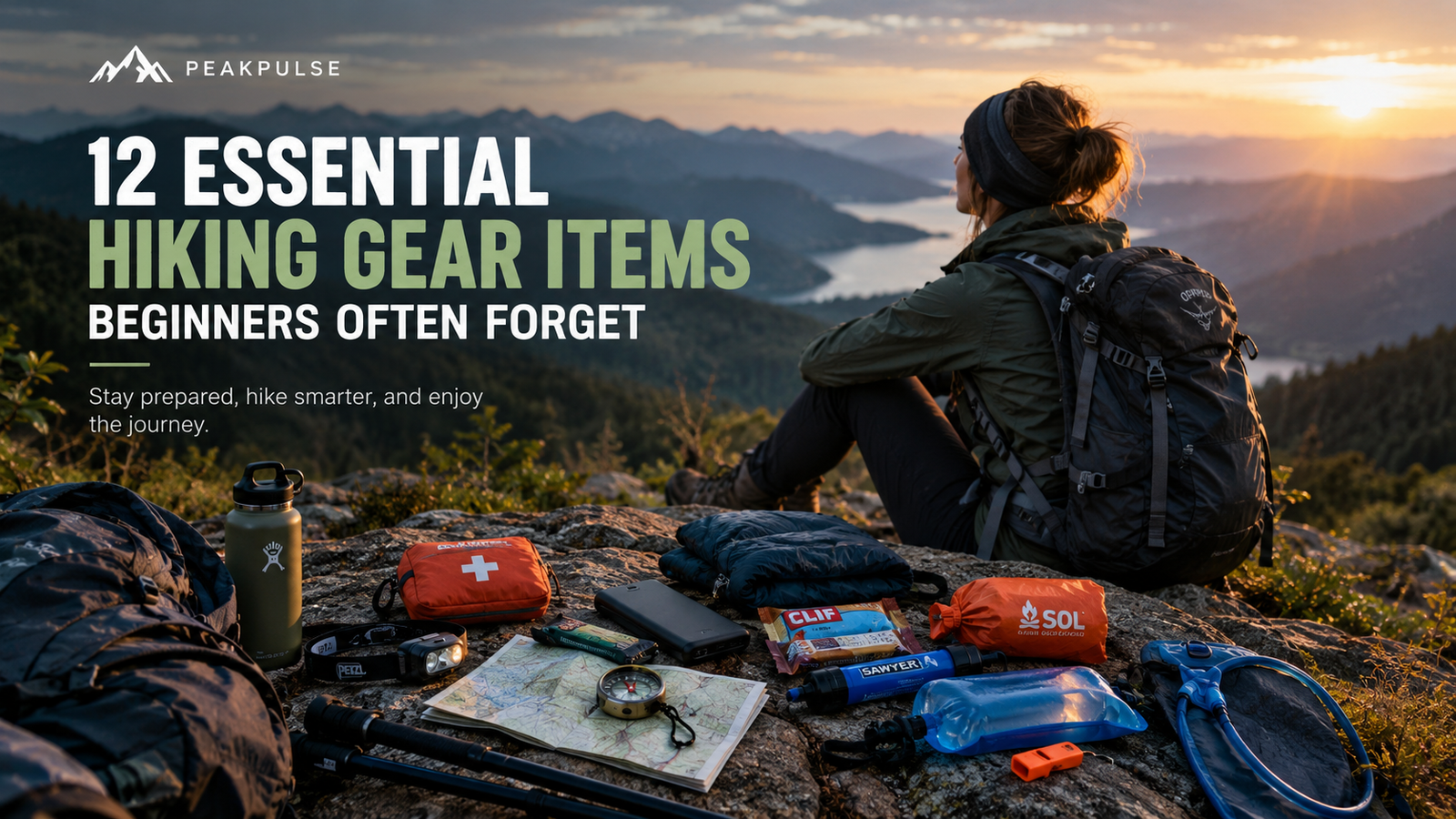
At minimum, plan for water, food, weather-appropriate clothing, navigation, a light source, basic first aid, and the emergency supplies appropriate for your route.
Affiliate Disclosure: As an Amazon Associate, Peakpulse may earn from qualifying purchases. This comes at no additional cost to you. Product availability, specifications, and prices can change, so check current details before buying.