Packing for a hike is easy when the weather looks good and the trail is familiar. The problems usually start when the temperature drops, a route takes longer than expected, or something small becomes unexpectedly important.
You don’t need to carry every piece of outdoor equipment available. But there are a few items that are easy to overlook and can make a real difference to your preparation.
This list focuses on practical essentials for day hikers. The right equipment depends on the route, weather, remoteness, and length of your trip.
1. A Headlamp
A hike that takes longer than expected can leave you walking in low light.
A headlamp keeps your hands free and is generally more convenient than relying on your phone’s flashlight. Look for a comfortable strap, straightforward controls, and a suitable brightness range.
Check the battery level before leaving, and carry a backup power source or spare batteries when appropriate.
Worth considering: A compact headlamp with a lockout function to prevent accidental activation in your pack.
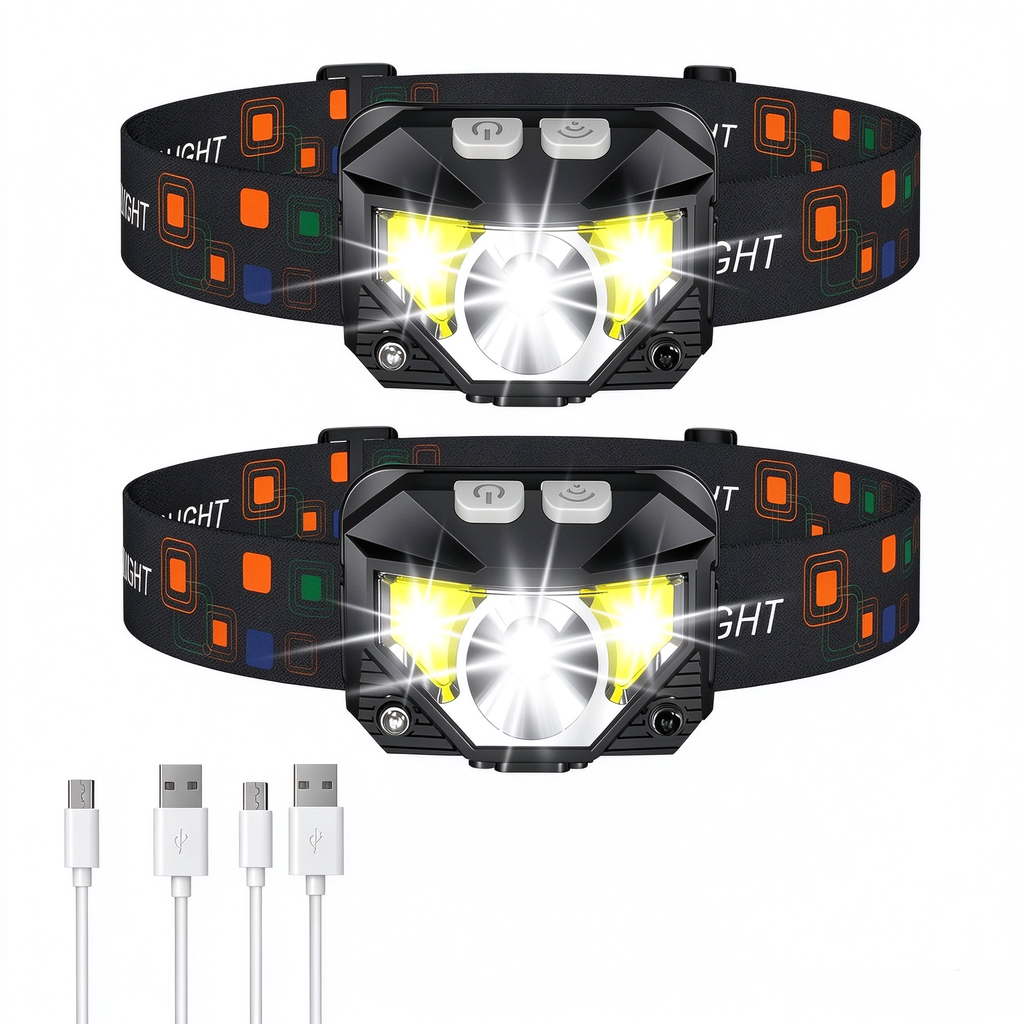
1. Reliable Hiking Headlamp
A headlamp is one of those things you don’t appreciate until you’re setting up camp after dark or starting a hike before sunrise. The LHKNL rechargeable headlamp is a practical budget option for hands-free lighting on the trail. Charge it before leaving and keep it somewhere easy to reach.
2. A Reliable Navigation Method
A phone map is useful, but you shouldn’t assume you’ll always have a signal or enough battery.
Download offline maps before your trip. On unfamiliar or remote routes, carry an appropriate backup such as a paper map and compass, and learn how to use them.
Check the route, trail junctions, estimated distance, and exit points before setting off.
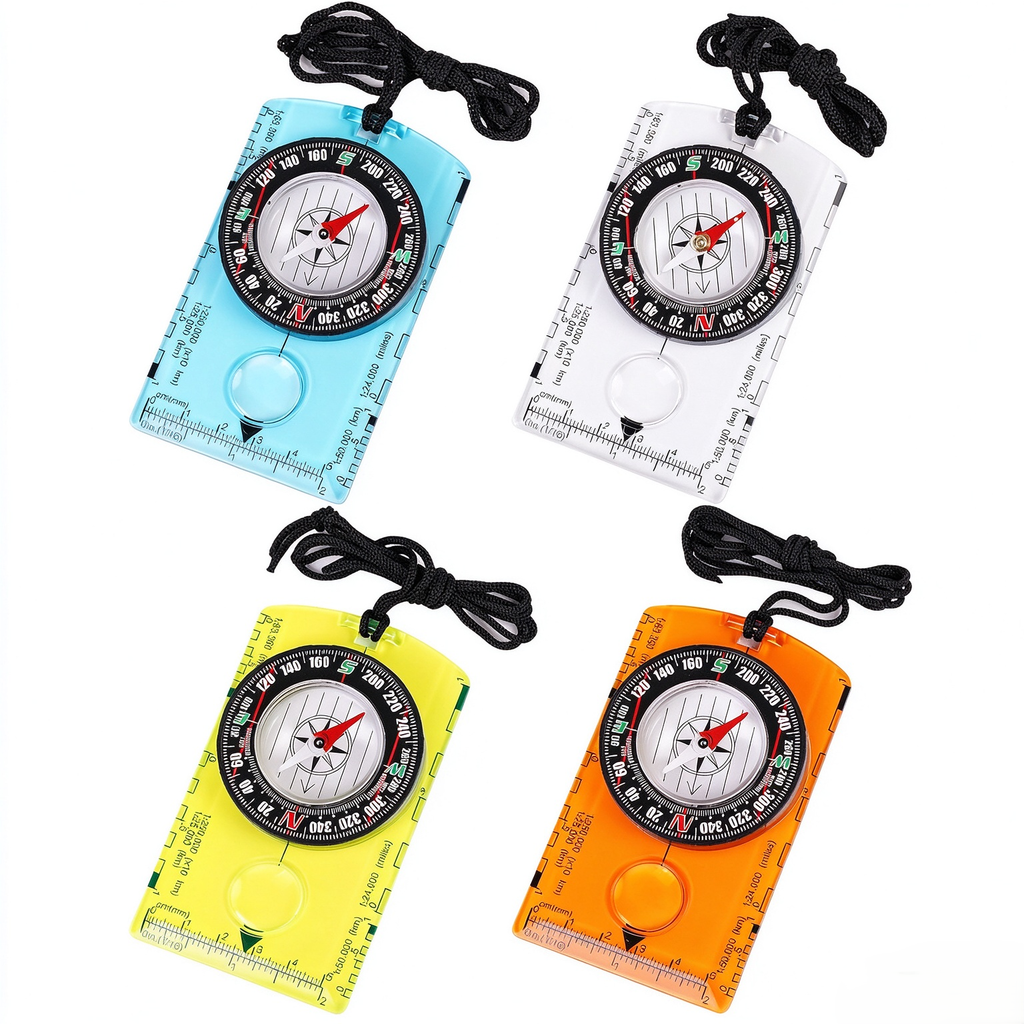
2. Offline Maps and Navigation
A paper map and compass provide a useful backup when your phone battery dies or you lose signal. The Suunto A-10 is a straightforward baseplate compass to consider for basic hiking navigation. Learn how to use it with a suitable topographic map before relying on it in the field.
3. Extra Water and a Way to Treat It
Water needs vary with temperature, exertion, distance, and individual requirements.
Carry enough water for the planned hike, with an appropriate reserve when conditions warrant it. On longer routes, a suitable water filter or treatment method can provide an additional option if a reliable water source is available.
Don’t assume every stream or lake is safe to drink from without treatment. Follow local guidance and the instructions for your water-treatment equipment.
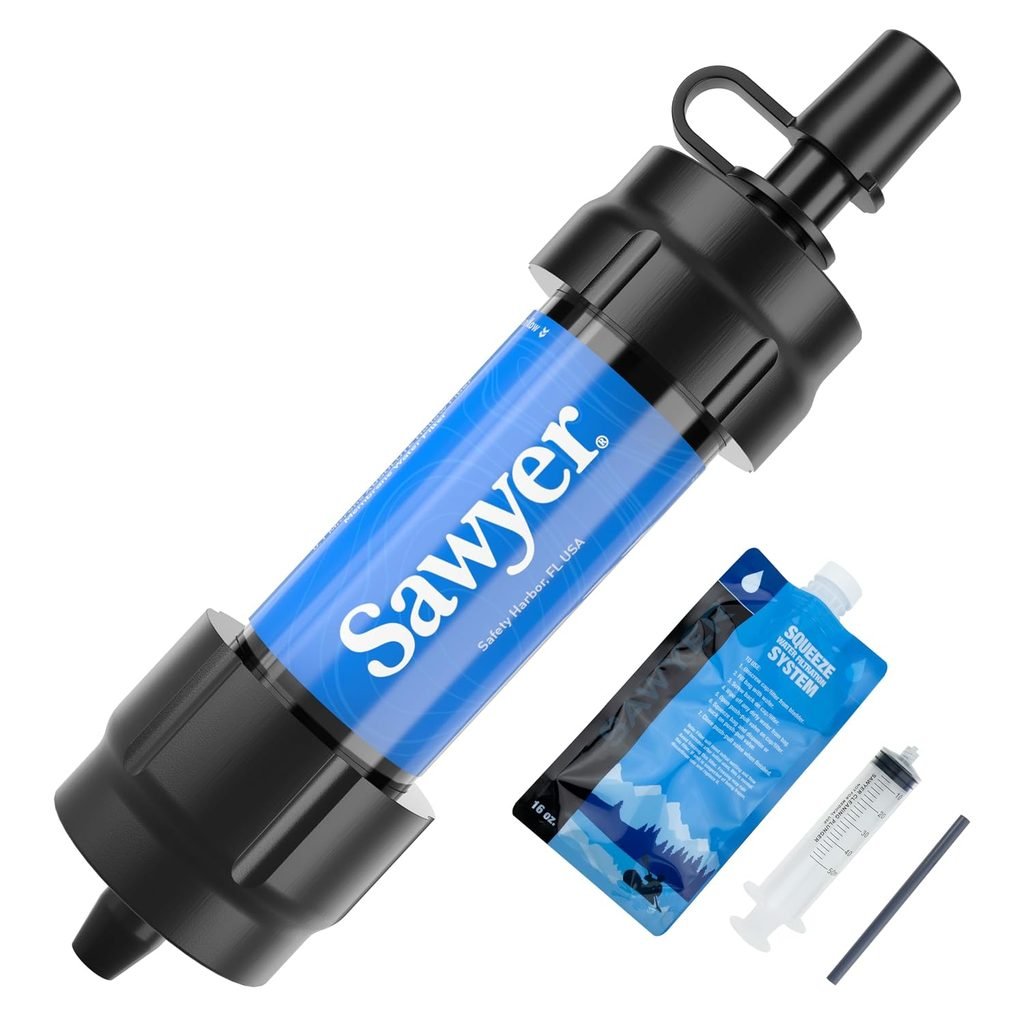
3. Water Filter
Running out of water is an easy mistake to make on a longer hike. The Sawyer MINI is a compact filtration option for treating water from suitable freshwater sources. Always check local water conditions and follow the manufacturer’s instructions; filtration alone may not remove every type of waterborne contaminant.
4. A Compact First-Aid Kit
A small first-aid kit can help with minor cuts, blisters, and other common problems.
Choose supplies that match the trip and your needs. Learn basic first aid and check the kit periodically to replace used or expired items.
For remote trips, additional training and supplies may be appropriate.
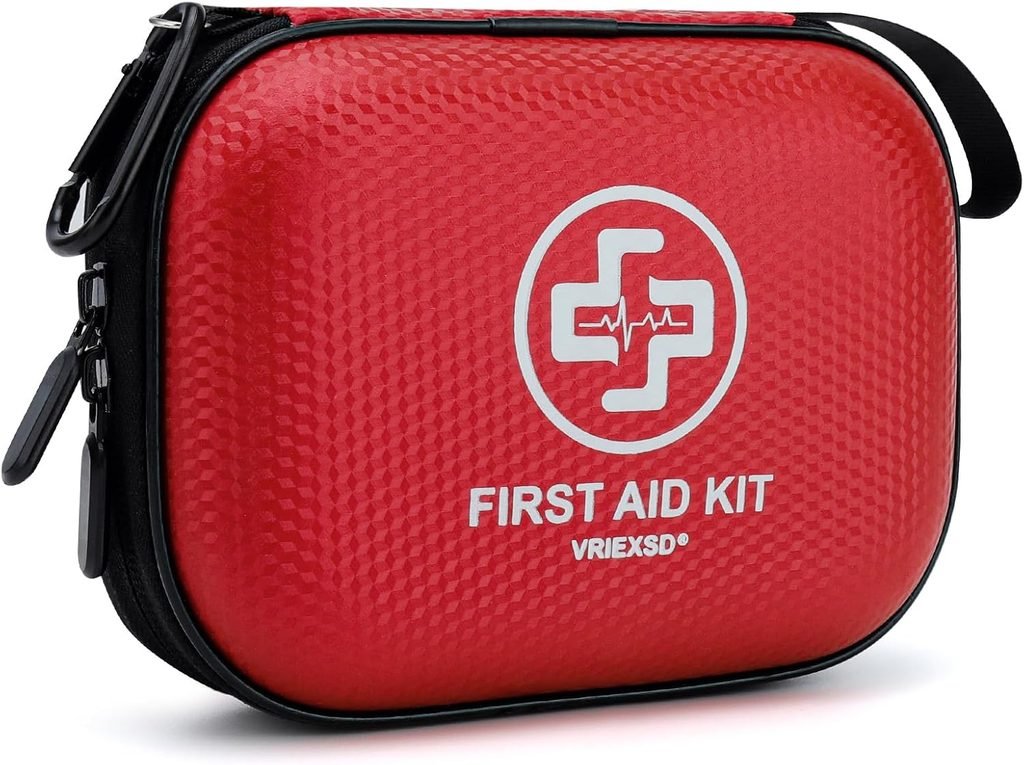
4. First-Aid Kit
Small cuts, scrapes, and blisters can turn an otherwise enjoyable hike into an uncomfortable one. This compact first-aid kit is worth considering for day hikes when you want basic medical supplies without carrying a bulky bag. Check the contents before every trip.
5. Rain Protection
A forecast can change, and exposed trails may feel much colder when wind and rain arrive.
A lightweight rain jacket is useful for many hikes. Depending on the conditions, you may also need rain pants or additional protection for your pack.
Keep rain gear somewhere accessible instead of burying it beneath everything else.
[Add Amazon affiliate button: Check Price on Amazon]
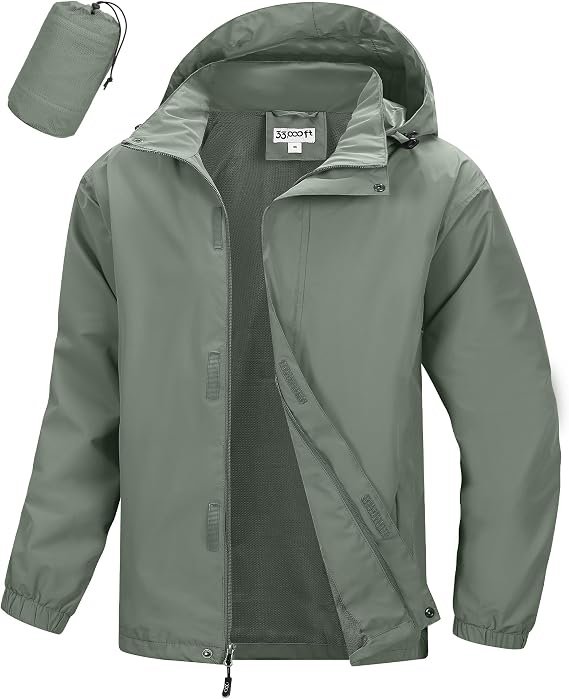
5.Rain Jacket
Weather can change quickly on exposed trails, even when the morning starts sunny. A packable waterproof rain jacket gives you an extra layer of protection without taking up too much room in your backpack. Check the forecast, and choose a jacket suited to the conditions you expect.
6. An Extra Insulating Layer
Even when the trail starts warm, weather can change with elevation, wind, and time of day.
Pack an extra layer suited to the expected conditions. A fleece or insulated jacket may be appropriate, depending on the season and location.
Avoid relying on the temperature at the trailhead as the only guide to what you’ll need later.
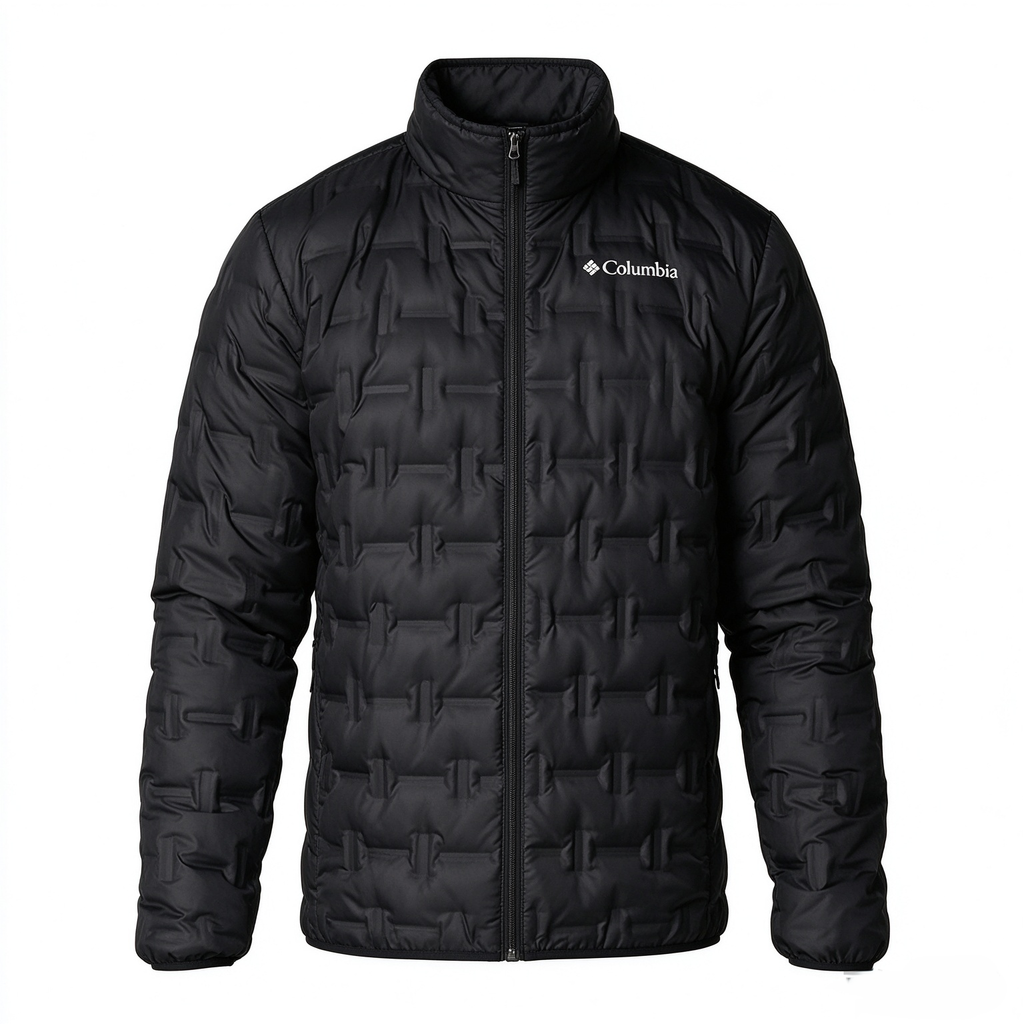
Columbia Packable Insulated Jacket
Temperatures can drop when the sun disappears, the wind picks up, or you stop moving at a viewpoint. An extra insulating layer can make those breaks much more comfortable. Choose clothing appropriate for the season and pack it where you can reach it quickly.
7. Food for Delays
Bring enough food for the planned outing and consider a reserve for unexpected delays.
Choose foods that travel well and suit your preferences. Snacks should be easy to access without unpacking the entire backpack.
For longer or more demanding hikes, plan food and hydration according to the expected duration and exertion.
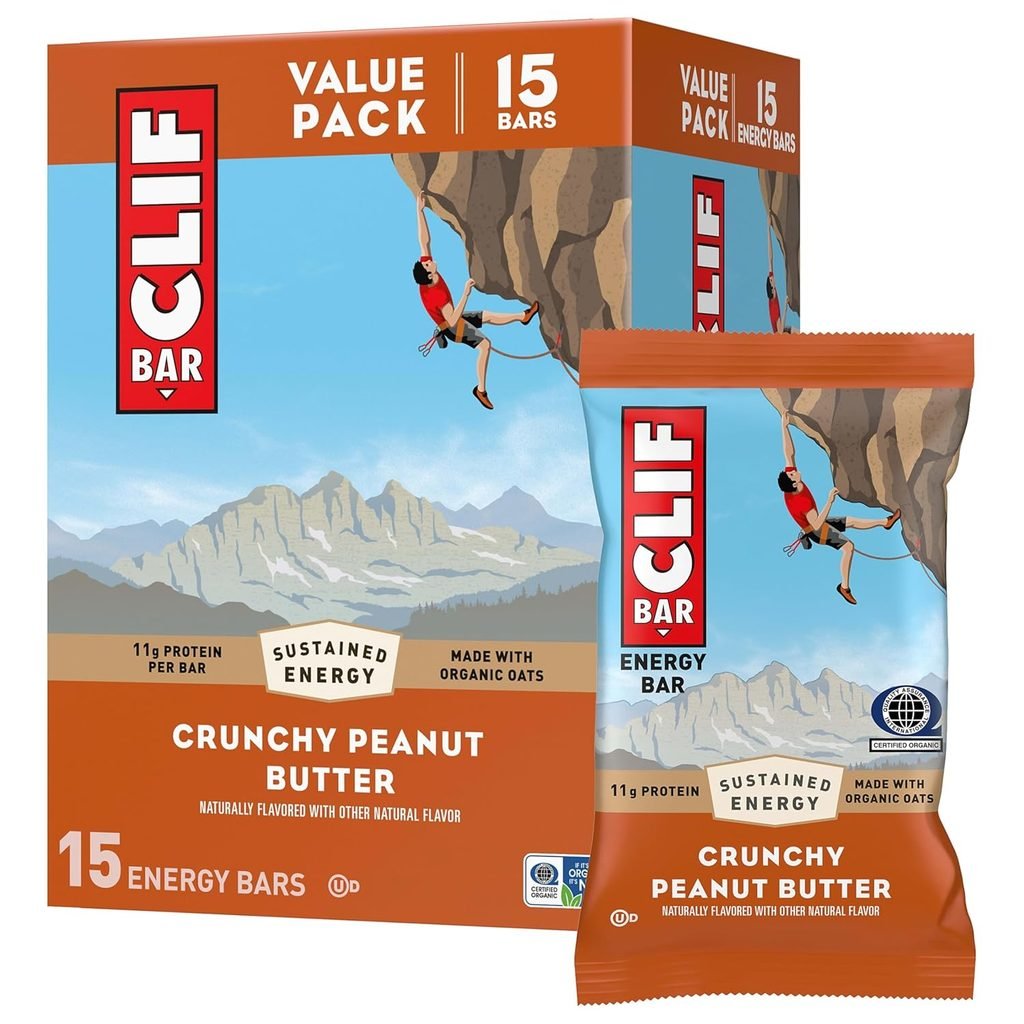
CLIF BAR Energy Bars
Don’t rely on reaching the trailhead before you need more food. Energy bars are easy to pack and convenient to eat during short breaks. Carry enough food for your planned hike, plus extra in case your return takes longer than expected.
8. Sun Protection
Sun exposure can be significant even on cool or cloudy days.
Consider sunscreen, sunglasses, and a hat appropriate for the conditions. Reapply sunscreen according to the product instructions, particularly when sweating heavily.
For exposed trails, check whether you’ll have shade along the route.
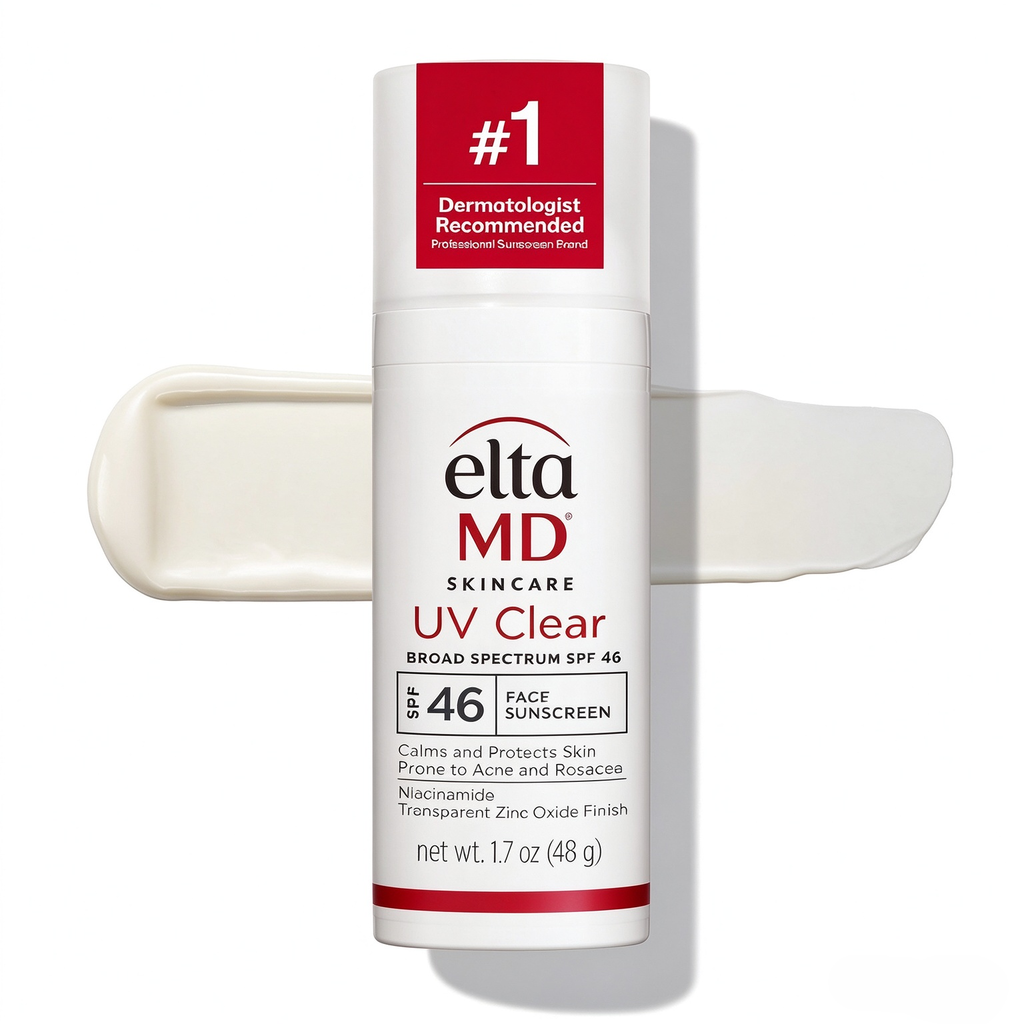
EltaMD UV Clear Face Sunscreen
Helps protect normal, sensitive and acne prone skin from UVA/UVB rays without leaving behind a chalky white cast.
9. Insect Protection
Insects can turn a pleasant hike into an uncomfortable one, especially in warm or humid conditions.
Depending on your destination, consider suitable insect repellent and clothing that covers exposed skin. Check local recommendations for ticks and other biting insects.
After hiking in tick-prone areas, inspect your skin and clothing.
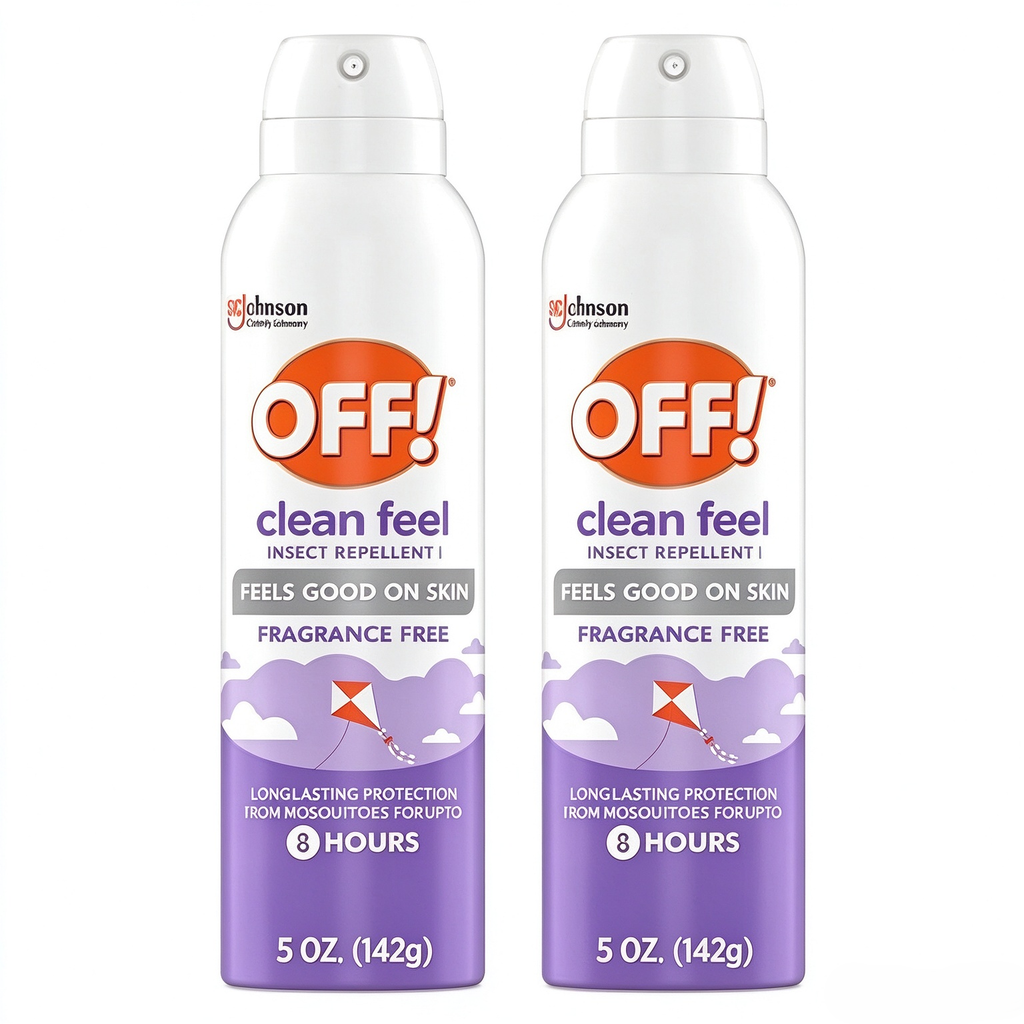
OFF! Clean Feel Insect Repellent Aerosol
Repels Insect Non greasey, lightweight spray dries quickly, not sticky Long-lasting protection lasts up to 8 hours to keep you protected from mosquito bites day or night No added fragrance & odorless Lightweight feel, non-greasy formula dries quickly so you can forget you are wearing it Proven to repel mosquitoes, ticks, and biting flies Size Available in 5 oz, 7.5 oz and 9 oz.
10. A Power Bank
Phones often serve several purposes on the trail: navigation, photography, communication, and emergency contact.
Cold weather, poor reception, and frequent screen use can affect battery life. A compact power bank and the correct charging cable can provide extra capacity.
Keep your phone protected from water and avoid treating it as your only navigation or emergency tool.
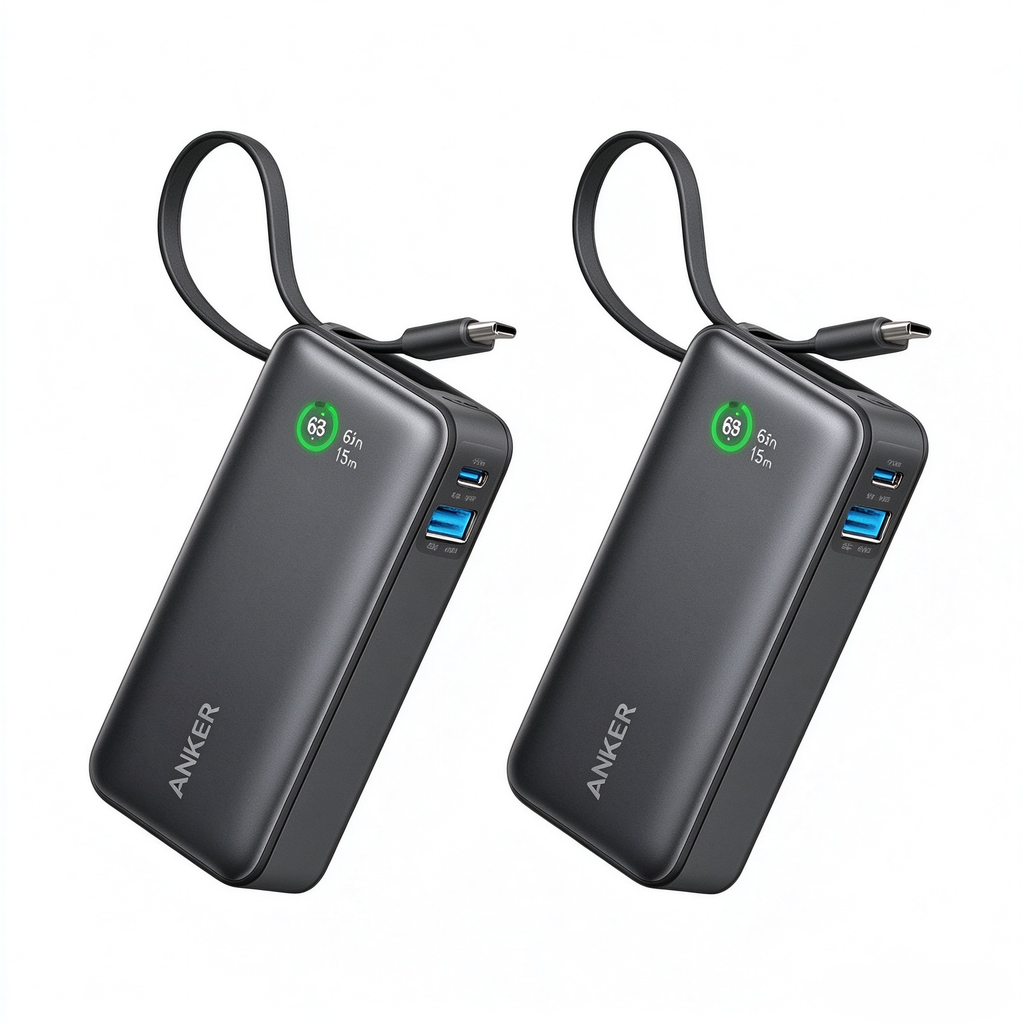
Anker 10,000mAh Portable Power Bank
Your phone may be your camera, navigation tool, and emergency contact device all in one. A portable power bank gives you extra battery capacity when a hike takes longer than expected. Charge both your phone and power bank before leaving.
11. Blister Prevention Supplies
Foot discomfort can make a hike miserable long before you run out of energy.
Wear footwear that fits properly, use socks suitable for the conditions, and address hot spots early. Blister tape or appropriate dressings can be useful additions to a small first-aid kit.
Don’t test brand-new hiking boots on a long, demanding route without first checking their fit.
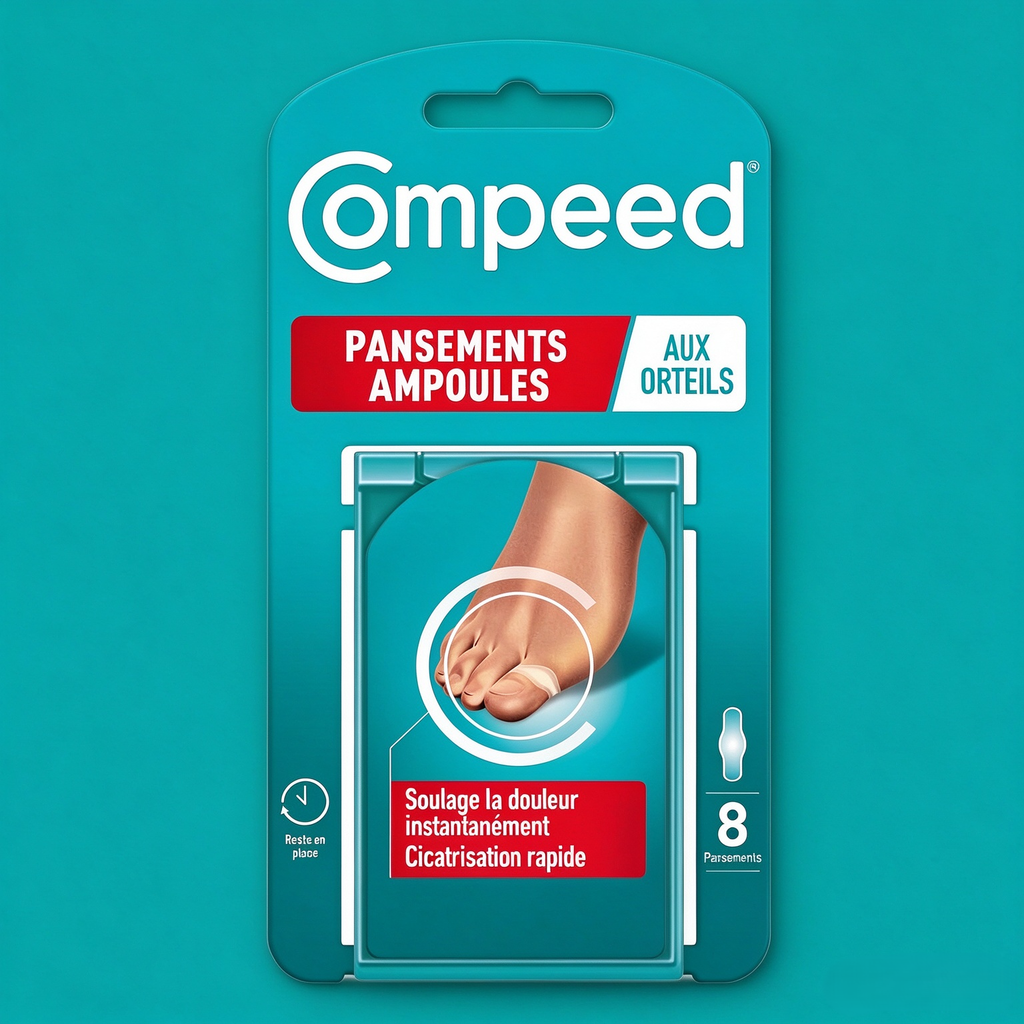
Compeed Blister Cushions
A small hot spot can become a painful blister after several miles. Blister cushions are useful to carry for dealing with friction before it ruins the rest of your hike. Properly fitted footwear, moisture-managing socks, and addressing hot spots early are just as important.
12. A Whistle and Emergency Plan
A whistle can help attract attention if you become separated from others or need assistance. It is small and easy to carry.
More importantly, tell someone where you’re going and when you expect to return. On remote routes, consider whether the trip calls for additional communication equipment.
Know the local emergency number, understand the route, and have a plan for turning back if conditions deteriorate.
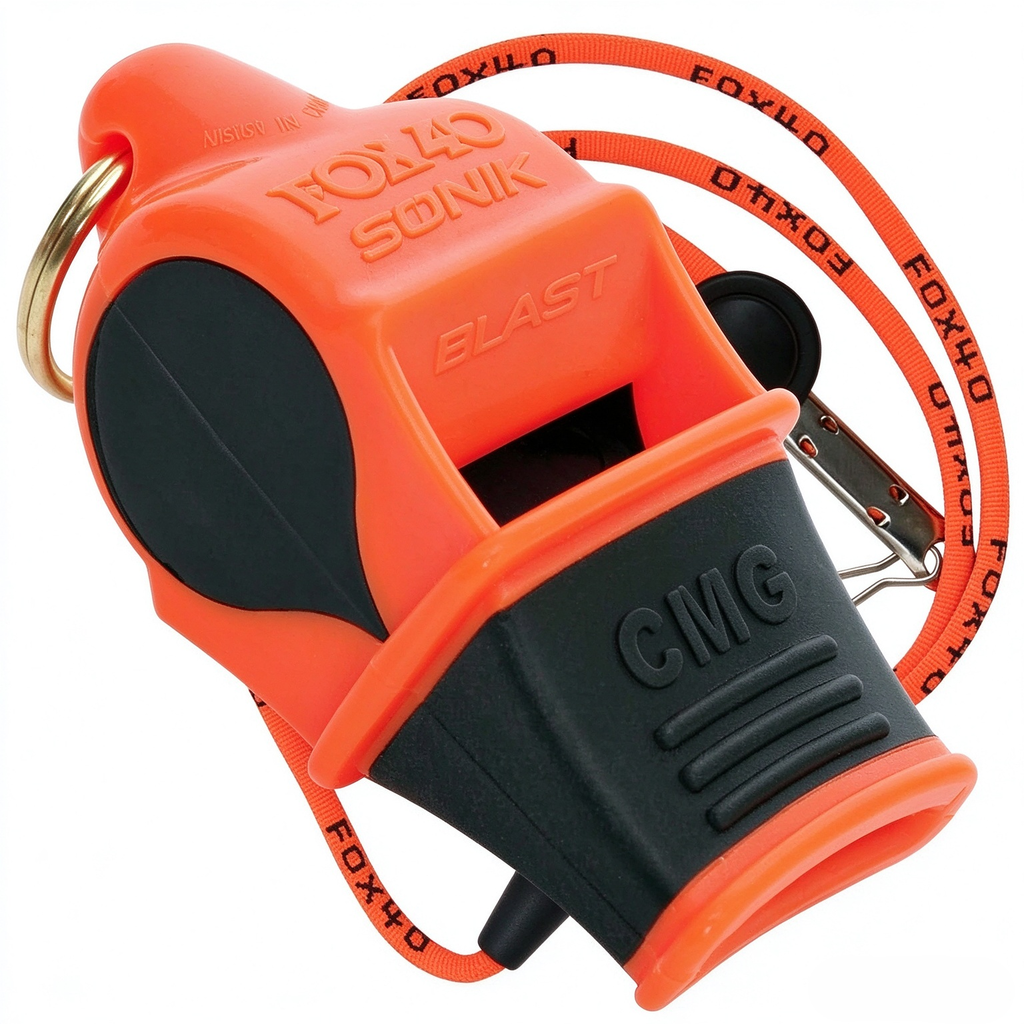
Fox 40 Classic Emergency Whistle
An emergency whistle is small, lightweight, and easy to keep attached to a backpack strap. If you become separated from your group or need assistance, sound signals can help attract attention without relying entirely on your phone. Keep it accessible rather than buried at the bottom of your pack.
What Should You Pack for a Day Hike?
Use this short checklist before leaving:
- Backpack suited to the route
- Water and food
- Offline map and navigation backup as appropriate
- Headlamp
- First-aid supplies
- Weather-appropriate clothing
- Rain protection
- Sun protection
- Insect protection when needed
- Phone and charging equipment
- Blister supplies
- Whistle and emergency plan
This is a starting point, not a complete list for every environment. Cold weather, remote terrain, river crossings, and overnight trips may require additional equipment.
How to Avoid Carrying Too Much
The answer isn’t to remove every item you rarely use. It’s to distinguish unnecessary extras from equipment that helps manage realistic risks.
Before each trip, check the forecast, route conditions, water availability, and expected duration. Pack accordingly, and keep frequently used essentials accessible.
A small, well-organized backpack is more useful than a large pack filled with items you don’t need.
Final Thoughts
Good hiking preparation isn’t about buying the most gear. It’s about bringing the right equipment for the conditions and knowing how to use it.
Start with navigation, water, weather protection, lighting, first aid, and a realistic emergency plan. Then adjust your packing list to match the route and season.
For more advice, explore our hiking backpack guide and our ultralight backpacking gear checklist.
Affiliate Disclosure: As an Amazon Associate, Peakpulse may earn from qualifying purchases at no additional cost to you.
Suggested SEO Title: 12 Essential Hiking Gear Items Beginners Often Forget | Peakpulse
Suggested Meta Description: Don’t forget these 12 hiking essentials, from headlamps and navigation to water treatment, rain protection, and first-aid supplies.
Suggested URL: /essential-hiking-gear-for-beginners/
Suggested Focus Keyword: essential hiking gear for beginners