1.Camping & Shelter Gear
| Item | Necessity | Recommendations |
|---|---|---|
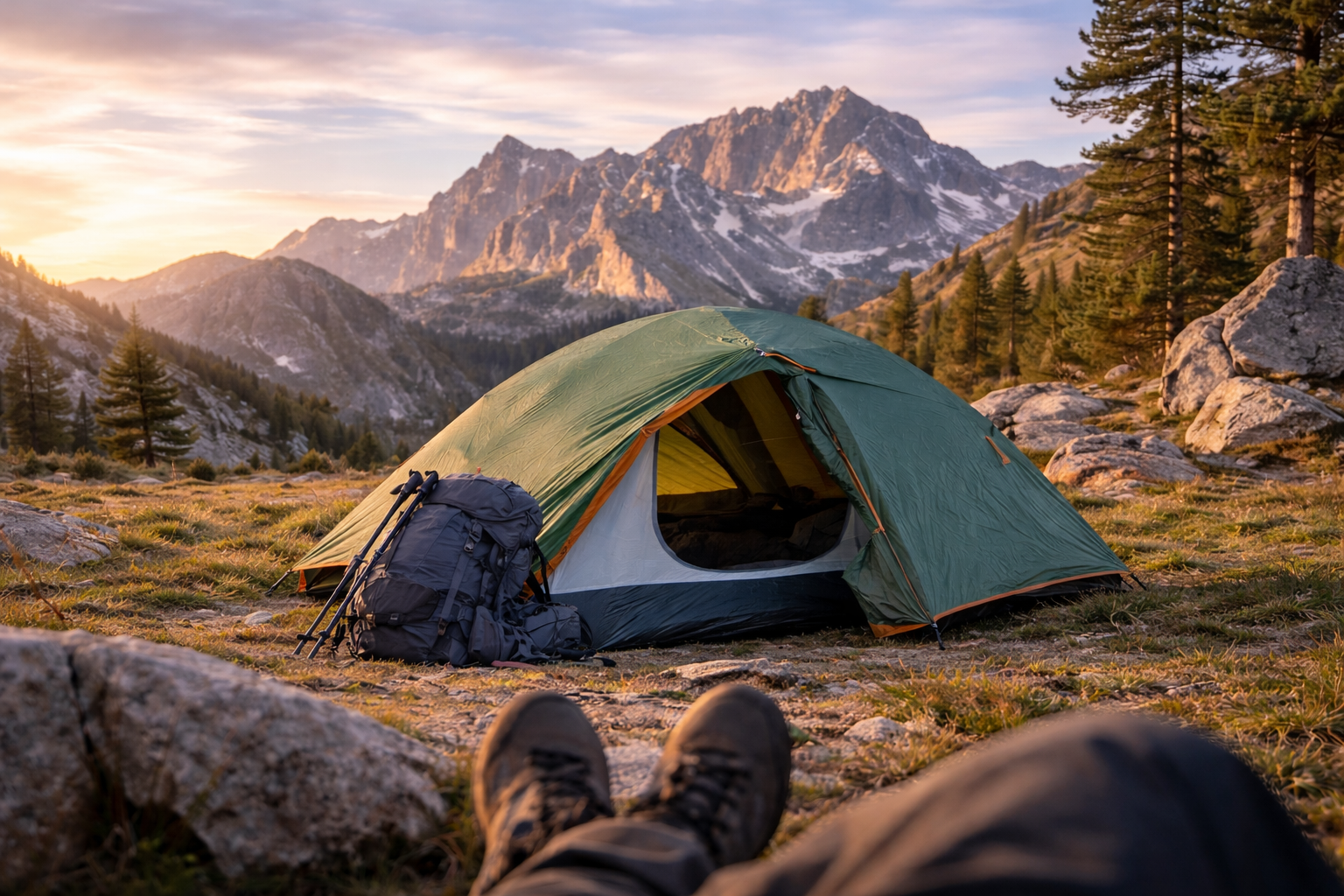
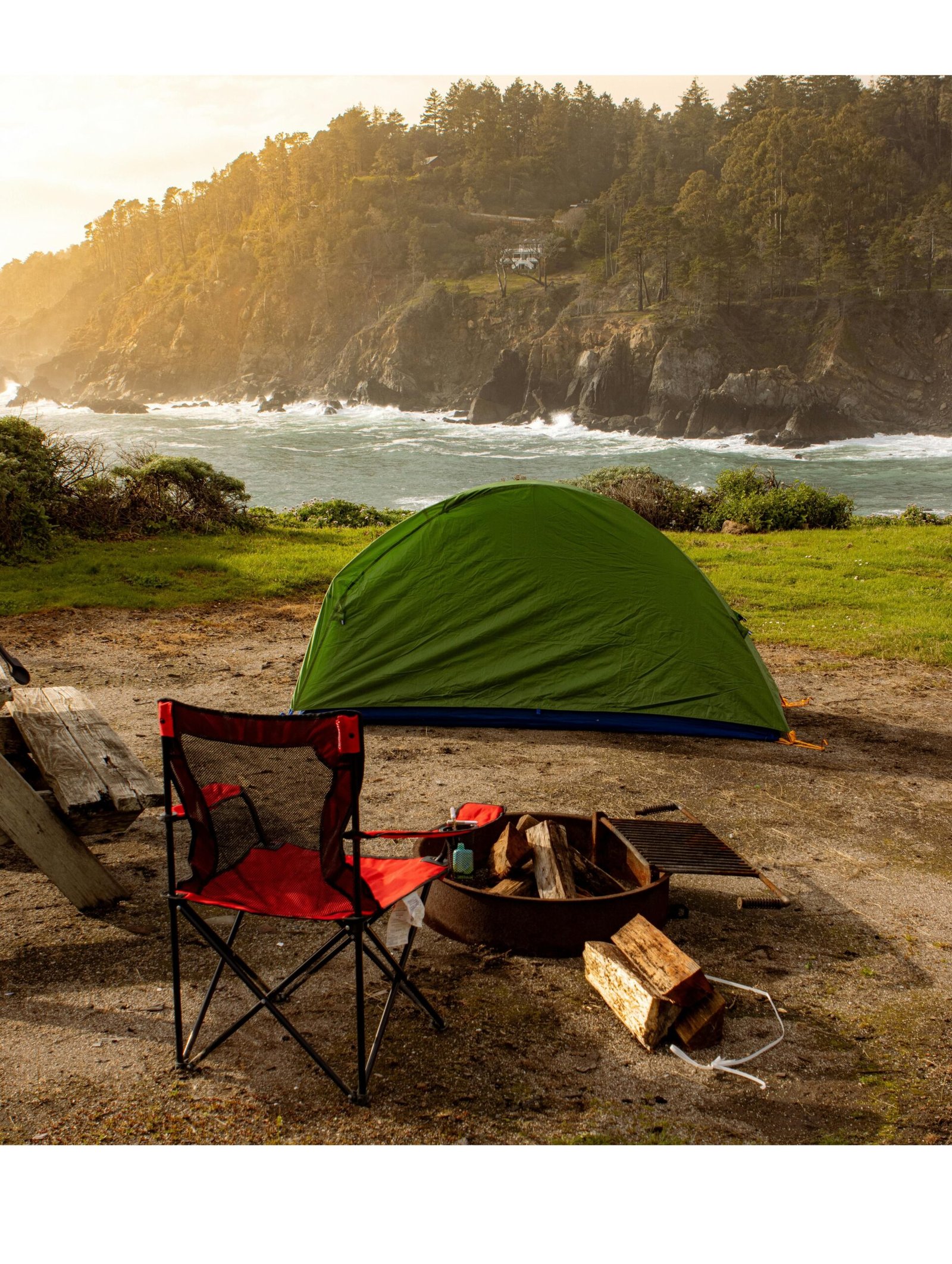
| Tent | Essential | 2–3 person tents work for short-distance trips; four-season tents suit high-altitude or frigid conditions. Always check waterproof and wind resistance ratings. |
| Sleeping Pad / Foam Mat | Essential | Choose self-inflating or foam pads for lightweight portability and reliable thermal insulation. |
| Sleeping Bag | Essential | Select bags by temperature rating based on seasons; down and synthetic-fill options each come with distinct pros and cons. |
| Tarp / Sun Canopy | Optional | Delivers extra shelter against sunlight and rain. |
| Tent Footprint | Optional | Extends tent service life and boosts overall waterproof performance. |
2.Hiking & Carrying Gear
| Item | Necessity | Recommendations |
|---|---|---|
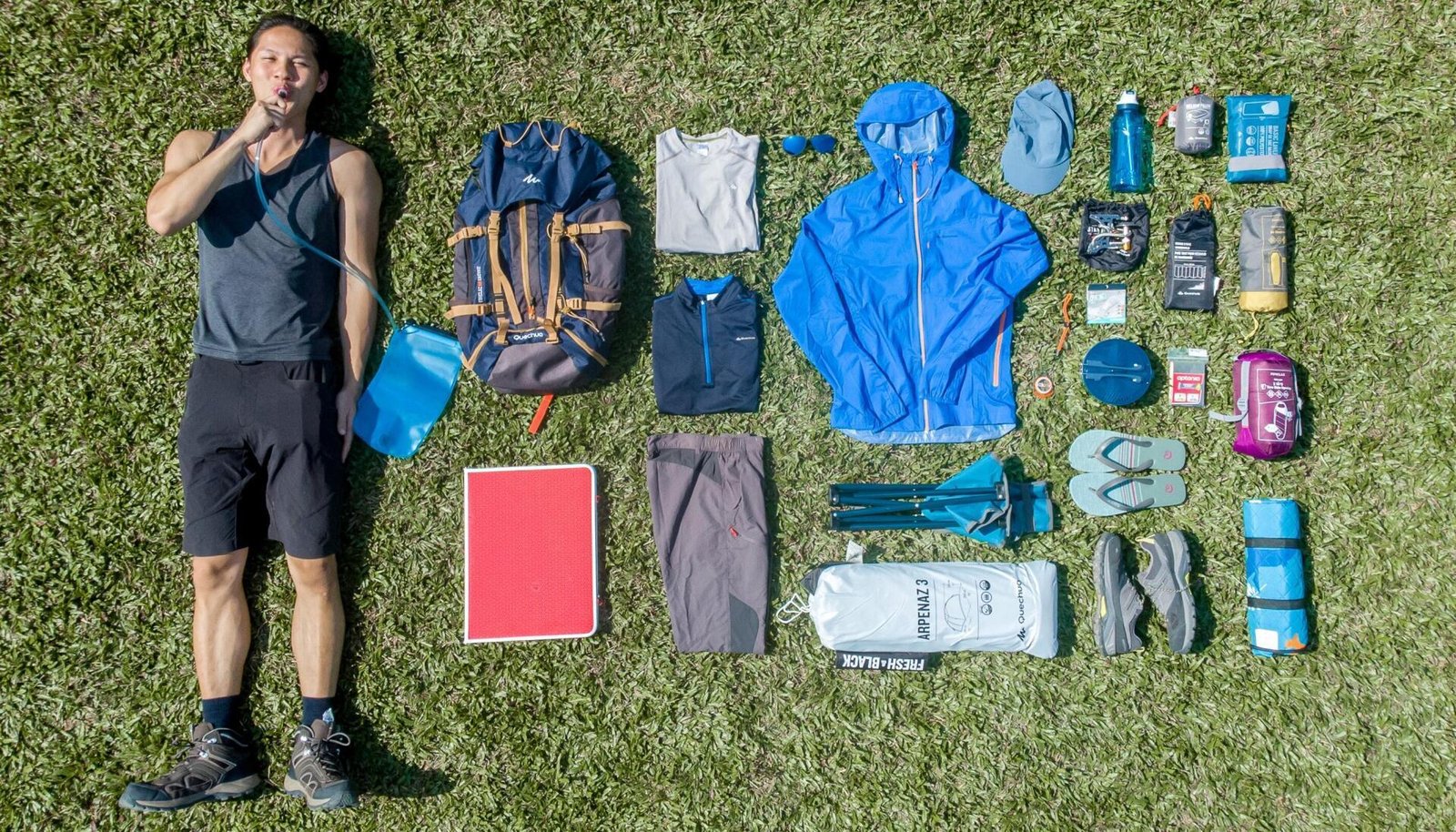
| Backpack | Essential | 20–35L daypacks for day hikes; 50–70L packs for long-distance expeditions. Prioritize models fitted with a rain cover. |
| Trekking Poles | Optional | Eases strain on knee joints, ideal for lengthy hikes. |
| Hydration Bladder / Water Bottle | Essential | Opt for 2–3L capacity; bring water filters or purification tablets as backups. |
| Pack Rain Cover | Essential | Dedicated backpack rain covers or lightweight rain ponchos serve dual purposes. |
3.Apparel & Protective Wear
| Item | Necessity | Recommendations |
|---|---|---|
| Base Layer / Moisture-Wicking Top | Essential | Pick quick-drying, breathable fabrics; avoid all-cotton clothing entirely. |
| Insulating Mid Layer | Essential | Fleece jackets or lightweight down jackets are preferred. |
| Outer Shell / Windproof Rain Jacket | Essential | Gore-Tex or equivalent breathable waterproof fabric, lightweight and packable. |
| Hiking / Mountaineering Boots | Essential | Slip-resistant, waterproof construction for all-day comfort on trails. |
| Hat / Gloves / Sunglasses | Essential | Protect against harsh sun, cold and wind. |
| Hiking Socks | Essential | Quick-dry socks with varied thickness zones to prevent blisters. |
4.Cooking & Dining Supplies
| Item | Necessity | Recommendations |
|---|---|---|
| Portable Stove | Essential | Liquid-fuel or canister stoves; make your pick according to route conditions. |
| Cookpot / Frying Pan | Essential | Ultralight aluminum or titanium cookware. |
| Eating Utensils | Essential | Fork, spoon and knife; foldable designs save packing space. |
| Water Filter / Purification Tablets | Essential | Indispensable for safe drinking water in the wilderness. |
| Insulated Bottle / Canteen | Optional | For keeping drinks hot or preparing warm beverages. |
| Rations | Essential | High-calorie, compact, long-lasting food; freeze-dried or compressed meals are great options. |
5.Safety & Navigation Equipment
| Item | Necessity | Recommendations |
|---|---|---|
| Map & Compass | Essential | Electronic devices as backups only; maintain proficiency in traditional map-and-compass navigation. |
| GPS / Smart Sports Watch | Optional | Assists positioning on long-distance hikes and backcountry explorations. |
| Multi-Tool | Essential | Equipped with can opener, wire cutter, small saw and other practical functions. |
| First-Aid Kit | Essential | Contains supplies for basic wound care: bandages, antiseptic, painkillers and more. |
| Mosquito & Insect Repellent | Essential | Bug spray or lightweight mosquito netting. |
| Headlamp / Flashlight | Essential | Spare batteries or rechargeable power sources required. |
| Whistle / Signal Mirror | Optional | Critical gear for sending distress signals during emergencies. |
6.Tech & Leisure Gear
| Item | Necessity | Recommendations |
|---|---|---|
| Smartphone & Power Bank | Essential | A waterproof phone case is recommended; solar chargers are an optional add-on. |
| Portable Power Station / Solar Panel | Optional | Powers electronics on multi-day camping trips. |
| Notebook / Camera | Optional | Document outdoor journeys and scenery. |
| Outdoor Reads / Card Games | Optional | For evening entertainment and casual learning at camp. |
7. Premium Upgrade Gear (Optional, Subject to Budget)
- Portable Coffee Maker & Ultralight Stove Combo
- Heavy-Duty Cold-Weather Sleeping Bag Inserts (rated down to -20°C)
- Upgraded Waterproof Tent plus Matching Footprint Set
- Portable Solar String Lights / Campsite Floodlights | High-Performance Hiking Boots & Full Gore-Tex Waterproof Rain Suit
✅ Practical Packing Tips
- Categorize all gear by type before packing into backpacks to evenly distribute total load weight.
- Compare the weight and durability of different products; allocate most of your budget to core essential items.
- Purchase premium upgrade gear based on route difficulty and personal comfort preferences.