

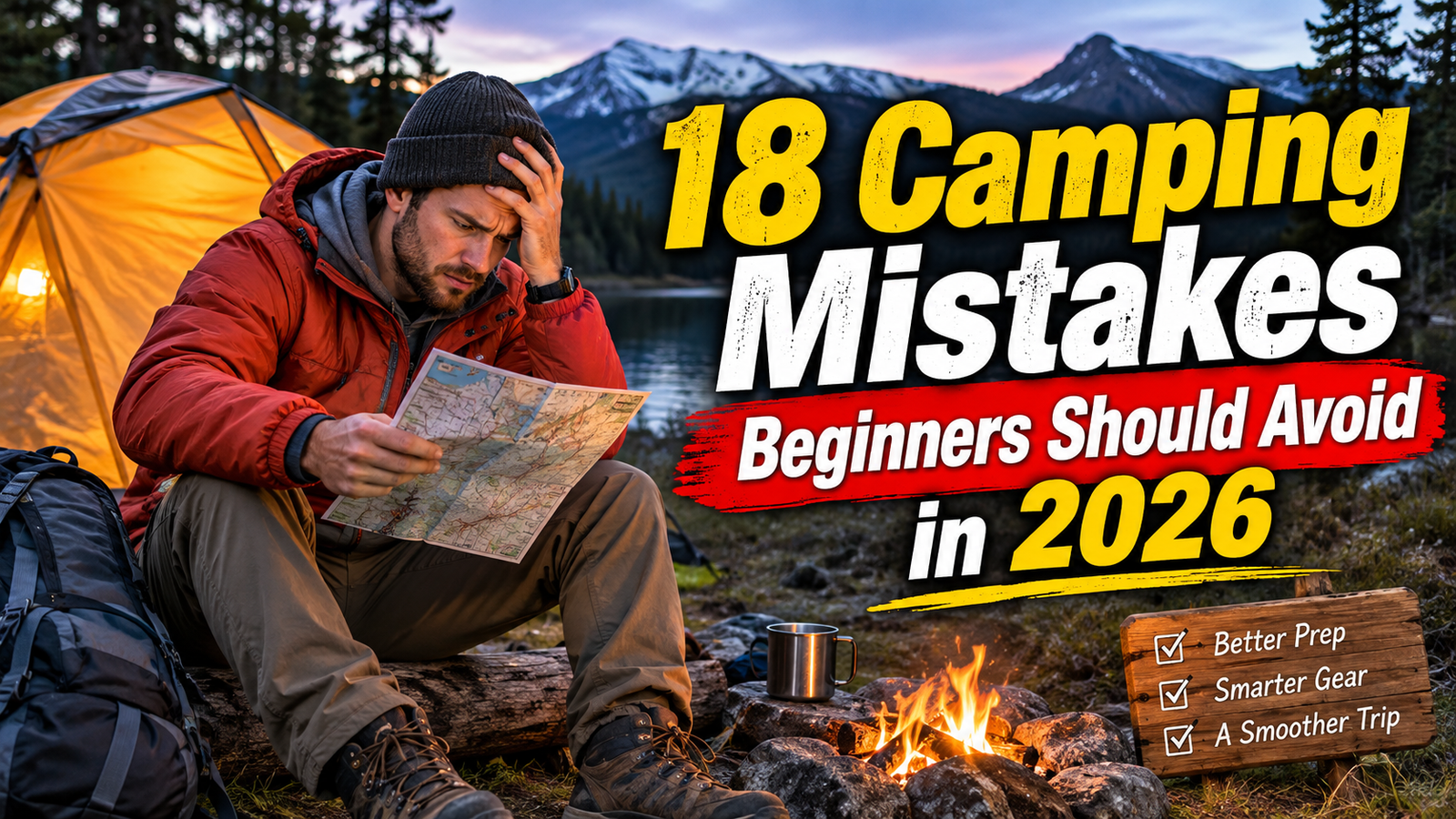
Your first camping trip should be fun. But a few small mistakes can quickly turn a relaxing weekend into a cold, wet, uncomfortable experience.
I’ve always believed that good camping isn’t about buying the most expensive gear. It’s about knowing what to bring, how to use it, and what to prepare before leaving home.
If you’re new to camping, these are 18 common mistakes worth avoiding. Some seem minor when you’re packing at home, but they can make a big difference once you’re at the campsite.
1. Choosing a Tent That's Too Small
A two-person tent doesn’t always mean two people will sleep comfortably with all their gear inside.
Pay attention to floor dimensions, peak height, door placement, and vestibule space. If you’re camping with two adults and want room for bags, a three-person tent may be a better choice.
My advice: Check the actual floor measurements before buying. Don’t rely on the person capacity printed on the package alone.
2. Forgetting a Tent Footprint
Setting up directly on rough or wet ground can wear down the tent floor over time.
A properly sized footprint adds a protective layer against abrasion and ground moisture. Just make sure it doesn’t extend beyond the tent floor, or rainwater can collect between the footprint and tent.
Gear worth considering: Tent Footprint / Ground Tarp

Waterproof Tent Footprint
Protect your tent floor from moisture, dirt, and abrasion. Choose a footprint that fits your tent dimensions.
3. Not Testing Your Tent Before Leaving Home
This is one of the easiest mistakes to avoid.
Never assume a new tent will be completely straightforward to set up at the campsite. Missing poles, confusing instructions, and unfamiliar clips can become frustrating when daylight is fading.
Set it up in your backyard first. Check the rainfly, poles, stakes, zippers, and ventilation.
4. Using the Wrong Tent Stakes
The stakes included with a budget tent aren’t necessarily suitable for every campsite.
Soft soil, loose sand, and rocky ground all require different approaches. Standard stakes can pull out easily when the ground is loose or the wind picks up.
Bring a few suitable spare stakes and learn how to position them correctly.
Gear worth considering: Heavy-Duty Camping Tent Stakes

Heavy-Duty Camping Tent Stakes
Extra tent stakes provide more options for different ground conditions and campsite setups.
5. Setting Up Camp Too Late
Arriving after sunset makes almost every camping task harder.
You still need to find a level spot, set up your shelter, organize your sleeping area, and prepare food. Doing all of that in the dark is not a great start.
Try to arrive at least two hours before sunset, especially on your first trip.
6. Ignoring the Weather Forecast
A sunny forecast doesn’t guarantee comfortable camping conditions.
Temperature can drop quickly after sunset, and rain or strong wind can change the entire experience.
Check the forecast before leaving, including nighttime temperatures, wind speed, and precipitation. Have a backup plan if severe weather is expected.
7. Bringing the Wrong Sleeping Bag
A sleeping bag rated for warm summer nights may not be suitable for a cold spring campsite.
Check the comfort temperature rather than looking only at the lowest advertised temperature. Also consider your sleeping clothes and the weather conditions.
Gear worth considering: A Temperature-Rated Camping Sleeping Bag
8. Sleeping Directly on the Ground Without Proper Insulation
A sleeping bag alone isn’t enough to keep you comfortable.
The ground pulls heat away from your body, even when the air temperature doesn’t feel particularly cold. A suitable sleeping pad adds cushioning and insulation.
Check the pad’s R-value if you camp in colder conditions. Higher R-values generally provide more insulation.
Gear worth considering: Insulated Camping Sleeping Pad

Insulated Camping Sleeping Pad
Look for suitable insulation, comfortable thickness, and an R-value that matches your camping conditions.
9. Bringing Only One Light Source
A phone flashlight is not a reliable camping lighting plan.
You may need both hands when cooking, adjusting tent lines, or finding something inside your tent.
A headlamp is one of the most useful pieces of beginner camping gear. Keep a spare light available and bring backup batteries or a power source when needed.
Gear worth considering: LHKNL Rechargeable Headlamp
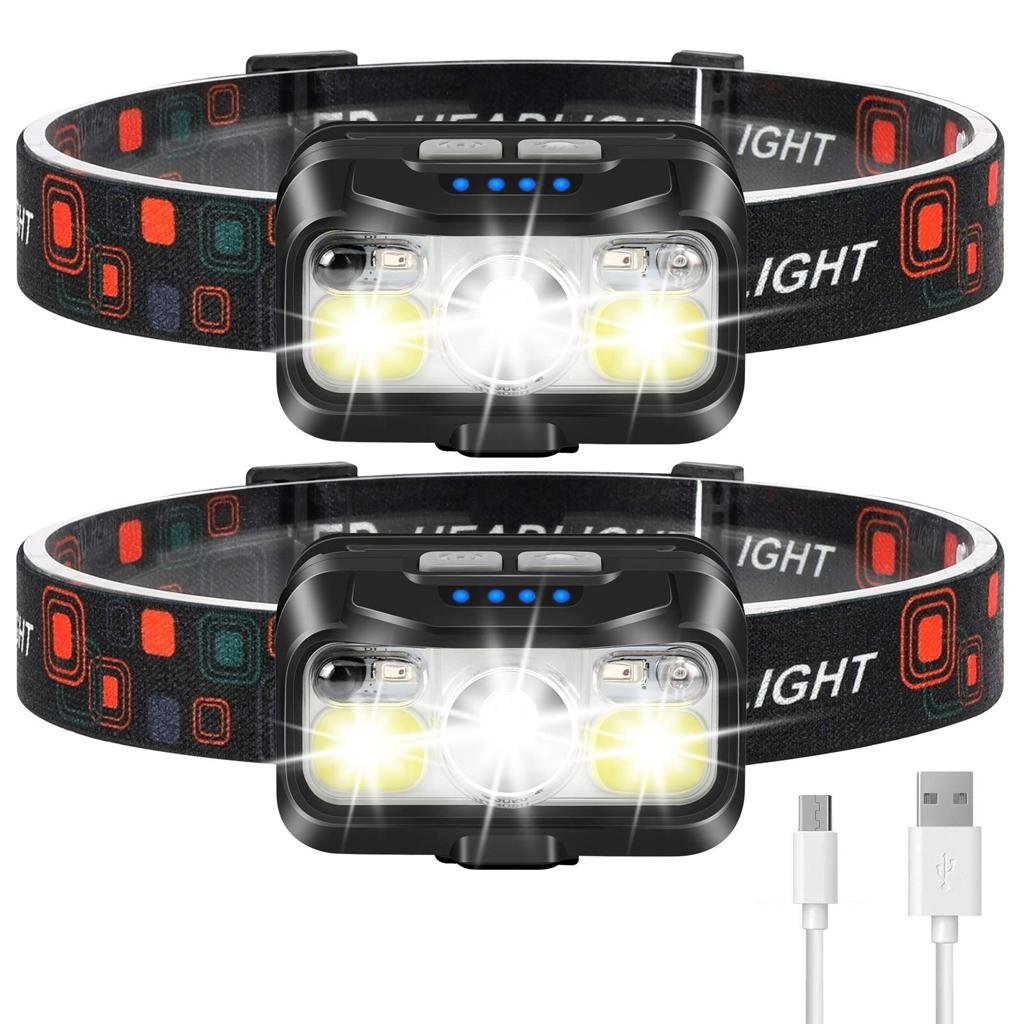
LHKNL Rechargeable LED Headlamp
A hands-free lighting option for tent setup, nighttime walks, and campsite chores.
10. Packing Too Much Food
New campers sometimes bring far more food than they can realistically prepare.
This creates extra packing, storage, and cleanup work. Perishable food also needs proper temperature control.
Plan meals before leaving. Choose simple ingredients that can be used in more than one meal, and pack portions according to the number of people and days.
11. Not Keeping Food Properly Stored
Leaving food out overnight is a bad habit.
It attracts insects and wildlife and can create a safety problem, especially in areas with bears or other food-seeking animals.
Use appropriate food storage for your campground. Follow local wildlife regulations and never leave food or scented items inside your tent.
12. Forgetting Enough Drinking Water
Running out of drinking water is an avoidable problem.
Don’t assume every campground has a working potable water source. Check the facilities before your trip and bring enough water for drinking, cooking, and basic cleaning.
For longer trips, a dedicated water container makes camp organization much easier.
Gear worth considering: Large Camping Water Container

Portable Camping Water Container
A large water container makes drinking, cooking, and campsite cleanup easier.
13. Bringing Complicated Cooking Equipment
Your first camping trip isn’t the best time to experiment with a complicated outdoor kitchen.
A simple stove, one or two pots, basic utensils, and easy meals are usually enough.
Test your stove before leaving. Bring the correct fuel, follow the manufacturer’s instructions, and always cook outdoors in a properly ventilated area. Never use fuel-burning camping stoves inside a tent.

Portable Two-Burner Camping Stove
A practical cooking setup for simple campsite meals. Check fuel compatibility before purchasing.
14. Forgetting a First Aid Kit
Small cuts, blisters, headaches, and minor burns can happen outdoors.
A basic first aid kit should be easy to find, not buried at the bottom of your storage box.
Check its contents before every trip. Include personal medications and any additional supplies needed for your destination.
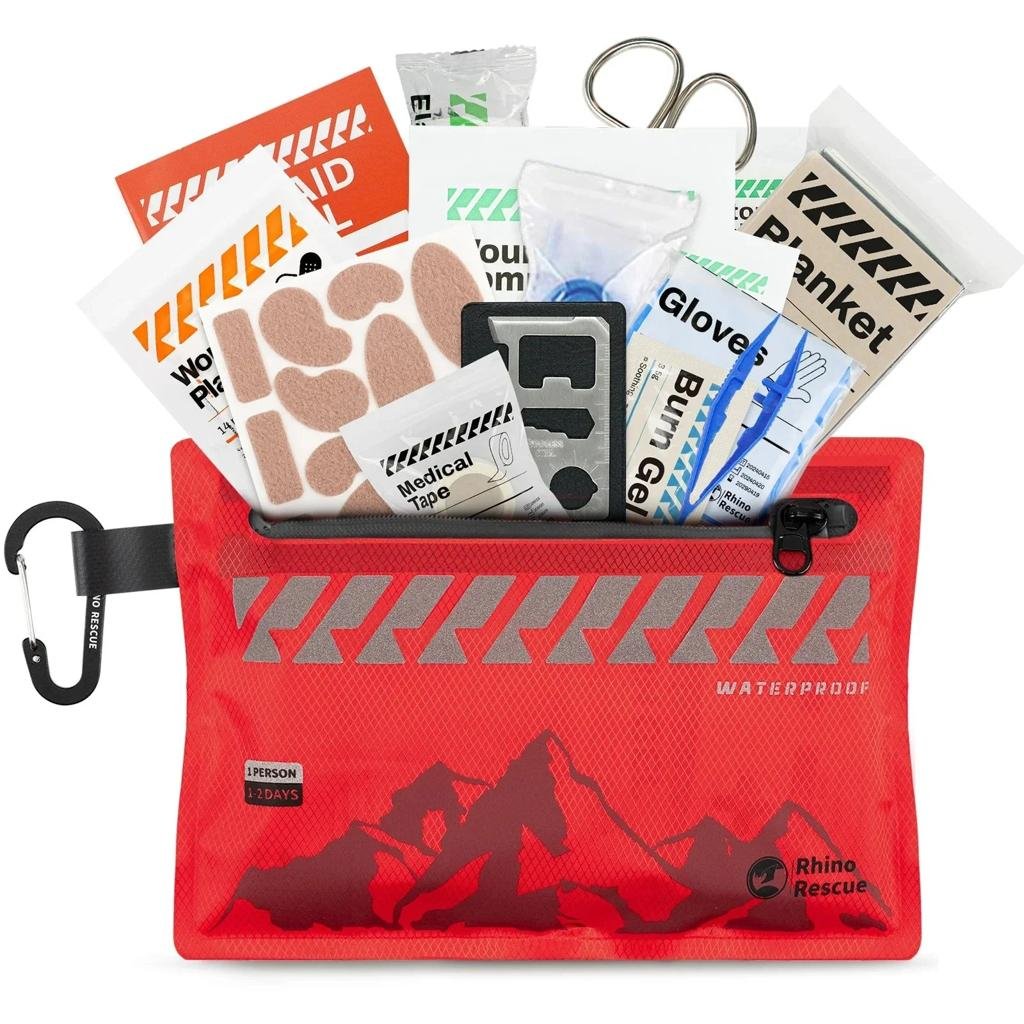
Outdoor First Aid Kit
Keep basic emergency supplies organized and accessible during every camping trip.
15. Packing Clothes Without Considering Temperature Changes
A warm afternoon can turn into a surprisingly cold night.
Packing only for daytime weather is a common beginner mistake.
Bring layers rather than relying on one heavy jacket. Include dry socks, an extra base layer, rain protection, and clothing appropriate for the forecast.
16. Leaving Your Gear Disorganized
When everything is thrown into one large bag, finding a simple item becomes frustrating.
Separate your equipment into categories such as sleeping gear, cooking supplies, lighting, clothing, and personal essentials.
Clear storage bins or labeled bags work particularly well for car camping.
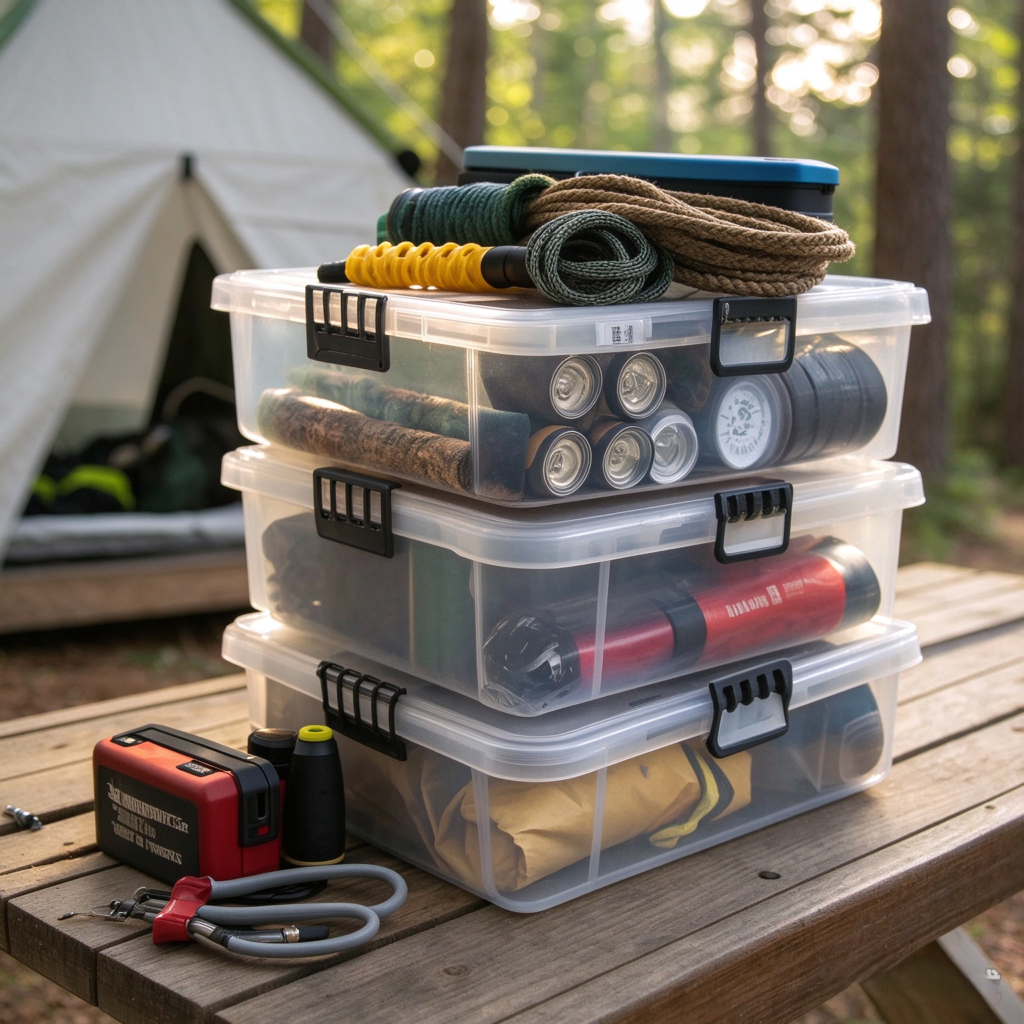
Clear Camping Storage Bins
Keep cooking gear, lighting, and campsite accessories organized and easy to find.
17. Forgetting Trash Bags and Cleanup Supplies
A campsite can get messy surprisingly quickly.
Food packaging, used paper towels, and cooking waste need somewhere to go. Bring enough trash bags and a small cleanup kit.
Follow Leave No Trace principles: pack out your waste, respect the campsite, and leave the area as you found it.
18. Buying Too Much Gear Before Your First Trip
This is probably one of the biggest mistakes beginners make.
It’s tempting to buy every piece of camping equipment that looks useful. But you don’t need a complete outdoor store in your car.
Start with the essentials: shelter, sleeping gear, lighting, food, water, and basic safety equipment.
After two or three trips, you’ll have a much better idea of what you actually need.
A Simple Camping Preparation Checklist
Before leaving home, check these essentials:
- Tent, poles, rainfly, and stakes
- Tent footprint or groundsheet
- Sleeping bag and sleeping pad
- Headlamp and backup light
- Weather-appropriate clothing
- Drinking water and food
- Camping stove and suitable fuel
- Cooking utensils and cleanup supplies
- First aid kit and personal medication
- Trash bags and storage containers
- Reservation details and campground rules
- Weather forecast and emergency contacts
Final Thoughts
Camping gets easier when you learn from small mistakes before they become big problems.
You don’t need expensive equipment or a complicated setup to enjoy the outdoors. Start with reliable basics, prepare ahead of time, and give yourself enough time to settle into camp before dark.
Most importantly, don’t try to make your first trip perfect. Keep things simple, learn what works, and improve your setup with every adventure.
That’s how you build a camping system that actually suits your needs.
Frequently Asked Questions
What is the biggest mistake first-time campers make?
Underestimating preparation. Many beginners focus on buying a tent but forget sleeping insulation, lighting, weather planning, and water.
What should beginners buy first for camping?
Start with a suitable tent, sleeping bag, sleeping pad, headlamp, and basic cooking equipment. These items have a direct impact on comfort and safety.
How can I stay warm while camping?
Use a sleeping bag suitable for the expected temperature, an adequately insulated sleeping pad, and dry clothing. Avoid relying on the sleeping bag alone.
Is it better to buy expensive camping gear?
Not necessarily. Beginners should prioritize reliable, suitable equipment rather than expensive upgrades. Learn what works for your camping style before investing in premium gear.
How early should I arrive at a campsite?
Arriving at least two hours before sunset is a good target. It gives you time to set up, prepare food, and organize your sleeping area in daylight.
Affiliate Disclosure: Peakpulse may earn a commission when you purchase through links in this article, at no additional cost to you. We only recommend camping products that we believe may be useful to our readers. Your support helps us continue creating practical outdoor gear guides and camping resources.
