

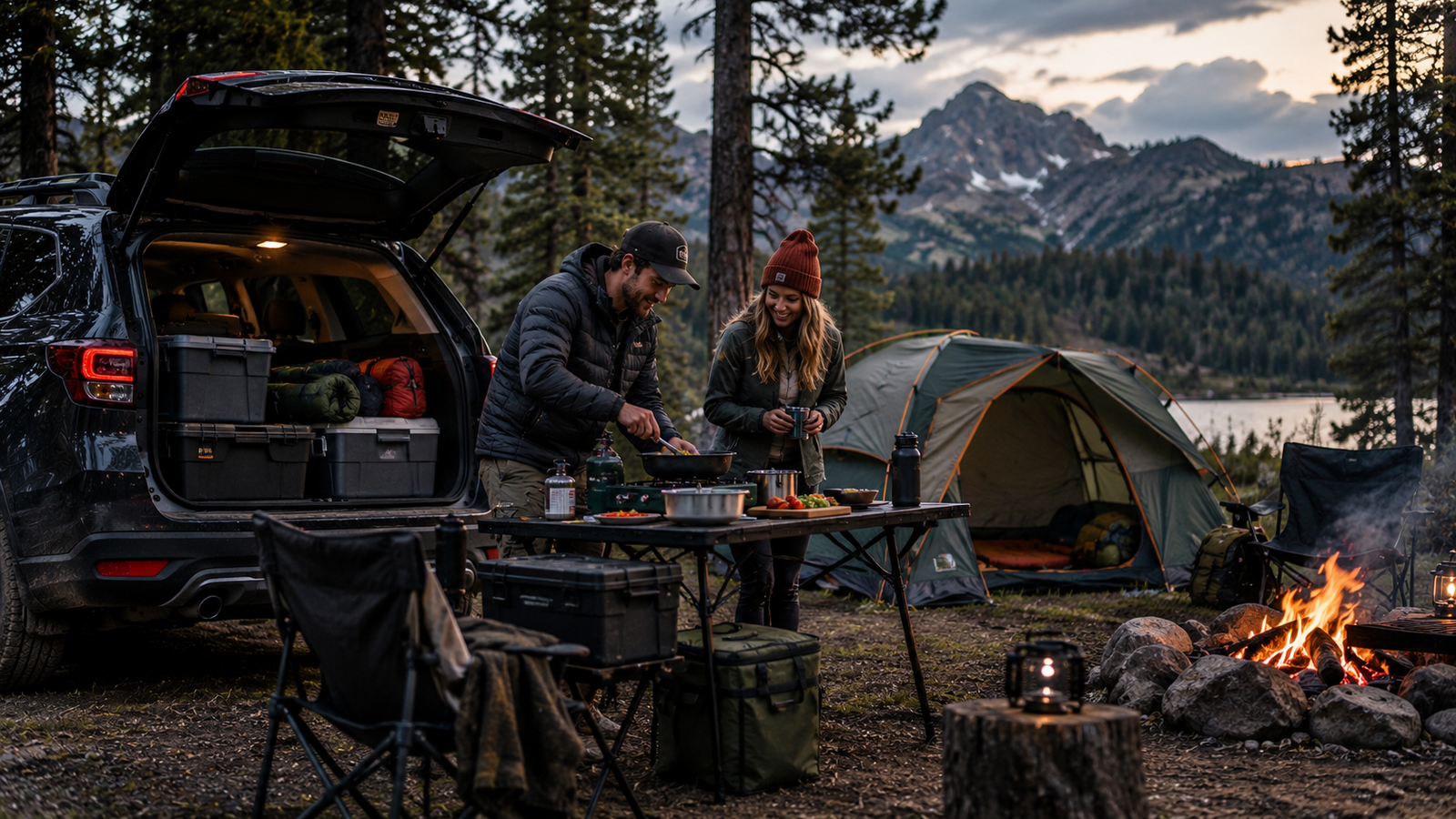
One of my favorite parts of car camping is being able to enjoy good food outdoors without spending hours cooking.
Unlike backpacking, car camping gives you room to bring a cooler, portable stove, cookware, fresh ingredients, and even a few comforts from your home kitchen.
But there’s one thing I’ve learned about planning camping meals: simple is usually better.
You don’t need complicated recipes or a huge collection of cooking equipment. A few easy ingredients, some preparation at home, and the right camp kitchen setup can make a weekend camping trip much more enjoyable.
In this guide, I’ll share 15 easy car camping meal ideas, practical food preparation tips, and the kitchen equipment worth packing for your next outdoor adventure.
1. What Makes a Good Car Camping Meal?
Before choosing recipes, think about what makes a meal practical at a campsite.
I would prioritize five things:
Easy preparation: Meals should require minimal cutting, mixing, and complicated cooking.
Few ingredients: Bringing fewer ingredients makes packing and cleaning easier.
Quick cooking: Ideally, most meals should take around 10–25 minutes.
Easy storage: Ingredients should fit neatly inside a cooler or food storage containers.
Minimal cleanup: One-pot meals and simple cooking methods save time and water.
For weekend camping, I prefer preparing some ingredients at home and doing the final cooking at the campsite.
That way, you can spend more time enjoying the outdoors instead of standing over a stove.
2. 15 Easy Car Camping Meal Ideas
Here are 15 simple meal ideas for breakfast, lunch, dinner, and snacks.
Most can be prepared with a basic two-burner camping stove, a frying pan, a pot, and a few everyday ingredients.
Breakfast Ideas
1. Breakfast Burritos
Breakfast burritos are one of the easiest meals to prepare ahead of time.
What you’ll need:
Tortillas
Eggs
Shredded cheese
Cooked sausage or bacon
Bell peppers
Salsa
How to make it:
Cook the eggs, sausage, and vegetables in a skillet. Add cheese, place everything inside a tortilla, and roll it up.
You can prepare the filling at home, refrigerate it, and reheat it at camp.
Preparation time: 10–15 minutes.
2. Campfire Pancakes
A simple pancake breakfast is hard to beat when you’re camping.
What you’ll need:
Pancake mix
Water or milk
Eggs (if required by the mix)
Butter
Maple syrup
Fresh berries
How to make it:
Mix the pancake ingredients in a bowl or use a pre-made pancake mixture. Heat a lightly greased skillet and cook each pancake until bubbles form, then flip.
For less mess, measure the dry ingredients at home and store them in a sealed container.
Preparation time: 10–15 minutes.
3. Breakfast Sandwiches
These are ideal when you want something filling without preparing a full breakfast.
What you’ll need:
English muffins or sandwich rolls
Eggs
Cheese slices
Bacon or sausage
Butter
How to make it:
Cook the eggs and meat in a skillet. Toast the muffins, add cheese, and assemble the sandwiches.
Wrap them in foil if you want to keep them warm for a short time.
Preparation time: 10–15 minutes.
4. Overnight Oats
Not every camping breakfast needs a stove.
What you’ll need:
Rolled oats
Milk or an appropriate refrigerated alternative
Chia seeds
Honey
Banana or berries
How to make it:
Mix the oats, milk, chia seeds, and honey in individual containers before leaving home. Refrigerate overnight and add fruit before eating.
Keep the containers properly chilled during transport.
Preparation time: 5 minutes of preparation.
Lunch Ideas
5. Turkey and Cheese Wraps
A simple lunch that doesn’t require cooking.
What you’ll need:
Tortillas
Sliced turkey
Cheese
Lettuce
Tomato
Mustard or mayonnaise
How to make it:
Layer the ingredients inside a tortilla, roll it tightly, and cut it in half.
Prepare the vegetables at home, but keep wet ingredients separate until serving to prevent soggy wraps.
Preparation time: 5–10 minutes.
6. Grilled Cheese Sandwiches
A warm grilled cheese sandwich is an easy campsite lunch.
What you’ll need:
Bread
Cheese slices
Butter
Optional tomato slices
How to make it:
Butter the outside of the bread, add cheese, and cook in a skillet over medium-low heat until golden brown on both sides.
Serve with soup or fresh fruit.
Preparation time: 10 minutes.
7. Chicken Quesadillas
This is a great way to use leftover cooked chicken.
What you’ll need:
Tortillas
Cooked chicken
Shredded cheese
Bell peppers
Salsa
How to make it:
Place chicken, cheese, and peppers inside a tortilla. Fold it in half and cook in a skillet until the tortilla is golden and the cheese melts.
Use chicken that has been safely refrigerated and transported in a cooler.
Preparation time: 10–15 minutes.
8. Tuna Salad Sandwiches
Tuna sandwiches are convenient because unopened shelf-stable tuna cans or pouches don’t require refrigeration.
What you’ll need:
Tuna
Bread or sandwich rolls
Mayonnaise
Celery
Lettuce
Black pepper
How to make it:
Mix the tuna with mayonnaise and chopped celery. Add seasoning, then assemble your sandwiches.
For convenience, bring single-serving tuna pouches and prepare only what you need.
Preparation time: 5–10 minutes.
Dinner Ideas
9. One-Pot Pasta
One-pot pasta is ideal for camping because it reduces the number of dishes you need to wash.
What you’ll need:
Pasta
Pasta sauce
Garlic
Olive oil
Parmesan cheese
Optional cooked sausage
How to make it:
Cook the pasta in a pot with enough water. Once nearly cooked, drain excess water if necessary, add sauce and garlic, and simmer until everything is heated through.
Finish with Parmesan cheese.
Preparation time: 15–20 minutes.
10. Campground Chicken Fajitas
Fajitas are easy to prepare with ingredients you can portion at home.
What you’ll need:
Chicken strips
Bell peppers
Onions
Tortillas
Fajita seasoning
Cooking oil
How to make it:
Cook the chicken thoroughly in a skillet. Add sliced peppers, onions, and seasoning. Continue cooking until the vegetables soften.
Serve inside warm tortillas.
Keep raw chicken separate from ready-to-eat ingredients and use a food thermometer to verify safe cooking temperatures.
Preparation time: 15–20 minutes.
11. Foil Packet Sausage and Vegetables
Foil packet meals are convenient because they require very little equipment.
What you’ll need:
Smoked sausage
Potatoes
Bell peppers
Onions
Olive oil
Garlic seasoning
How to make it:
Cut the vegetables and sausage into bite-sized pieces. Toss with olive oil and seasoning, then divide into individual foil packets.
Cook until the potatoes are completely tender and the food reaches safe temperatures.
Use a grill or campfire only where permitted, and avoid placing ordinary foil packets directly into flames.
Preparation time: 20–30 minutes.
12. Campground Chili
Chili is a filling dinner that can be prepared almost entirely in one pot.
What you’ll need:
Canned beans
Canned tomatoes
Ground beef or cooked turkey
Chili seasoning
Onion
Optional shredded cheese
How to make it:
Brown the ground meat, add onion, beans, tomatoes, and seasoning, then simmer until everything is thoroughly heated.
You can also prepare the chili at home, chill it quickly, transport it cold, and reheat it thoroughly at camp.
Preparation time: 20–25 minutes.
13. Camping Burgers
Burgers are a classic choice for a weekend camping trip.
What you’ll need:
Burger patties
Burger buns
Cheese
Lettuce
Tomato
Burger sauce
How to make it:
Cook the patties on a suitable grill or skillet until they reach a safe internal temperature of 160°F for ground beef.
Add cheese during the final minute and assemble with your favorite toppings.
Keep raw patties in a sealed container at the bottom of the cooler, away from ready-to-eat food.
Preparation time: 15–20 minutes.
Snacks and Simple Desserts
14. Trail Mix and Fruit
Not every snack needs preparation.
What you’ll need:
Mixed nuts
Dried fruit
Pretzels
Dark chocolate
Fresh apples or oranges
How to make it:
Mix the dry ingredients at home and divide them into individual snack bags.
It’s an easy option for hiking, road trips, or relaxing around the campsite.
Preparation time: 5 minutes.
15. S’mores
No camping food list feels complete without s’mores.
What you’ll need:
Graham crackers
Marshmallows
Chocolate bars
How to make it:
Toast the marshmallows over a permitted campfire or use a suitable camping-safe cooking method. Place the warm marshmallow and chocolate between two graham crackers.
Keep a close eye on the marshmallows and follow campground fire restrictions.
Preparation time: 5–10 minutes.
3. How to Prepare Camping Meals Before Leaving Home
Good meal preparation can save a surprising amount of time at the campsite.
I recommend doing as much work as possible before loading the car.
1. Plan Your Meals in Advance
Start by deciding what you’ll eat for each meal.
For a typical two-night weekend trip, you might plan:
| Day | Breakfast | Lunch | Dinner |
|---|---|---|---|
| Friday | — | Road snacks | Chicken fajitas |
| Saturday | Breakfast burritos | Turkey wraps | One-pot pasta |
| Sunday | Pancakes | Grilled cheese | — |
Adjust the menu based on your travel schedule and the number of people.
Don’t pack excessive food that you probably won’t finish.
2. Prepare Ingredients at Home
Before departure:
Wash and cut vegetables.
Measure dry ingredients.
Portion seasonings into small containers.
Prepare sauces where practical.
Cook ingredients that can be safely prepared ahead.
Label containers with meal names.
Keep raw meat separate from cooked food and ready-to-eat ingredients.
3. Use Separate Food Containers
Instead of bringing several open packages, portion ingredients into sealed containers.
I prefer organizing food into categories:
Breakfast ingredients.
Lunch ingredients.
Dinner ingredients.
Snacks.
Cooking sauces and seasonings.
This makes it easier to find everything without unpacking the entire cooler.
4. Pack Your Cooler Correctly
A reliable cooler is important for transporting perishable food.
A few useful tips:
Pre-chill the cooler before packing.
Use plenty of ice or frozen gel packs.
Keep raw meat sealed and separated.
Place frequently used drinks in a separate cooler if possible.
Keep the lid closed as much as possible.
Use a cooler thermometer to monitor temperatures.
Perishable food should stay at 40°F or below. Never leave meat, dairy, eggs, or prepared meals sitting at room temperature for extended periods.
For longer trips, consider using a powered vehicle refrigerator designed for camping.
4. Essential Camp Kitchen Equipment
You don’t need a professional outdoor kitchen to cook good meals.
For most weekend car camping trips, the following equipment is enough.
1. Portable Camping Stove
A two-burner stove is a practical choice for couples and families.
It allows you to cook different foods at the same time, such as eggs on one burner and coffee or water on the other.
Look for:
Stable construction.
Adjustable flame control.
Easy ignition.
Convenient fuel compatibility.
Simple cleaning.
Always use camping stoves outdoors in a well-ventilated area, following the manufacturer’s instructions. Never use a fuel-burning stove inside a tent or enclosed vehicle.
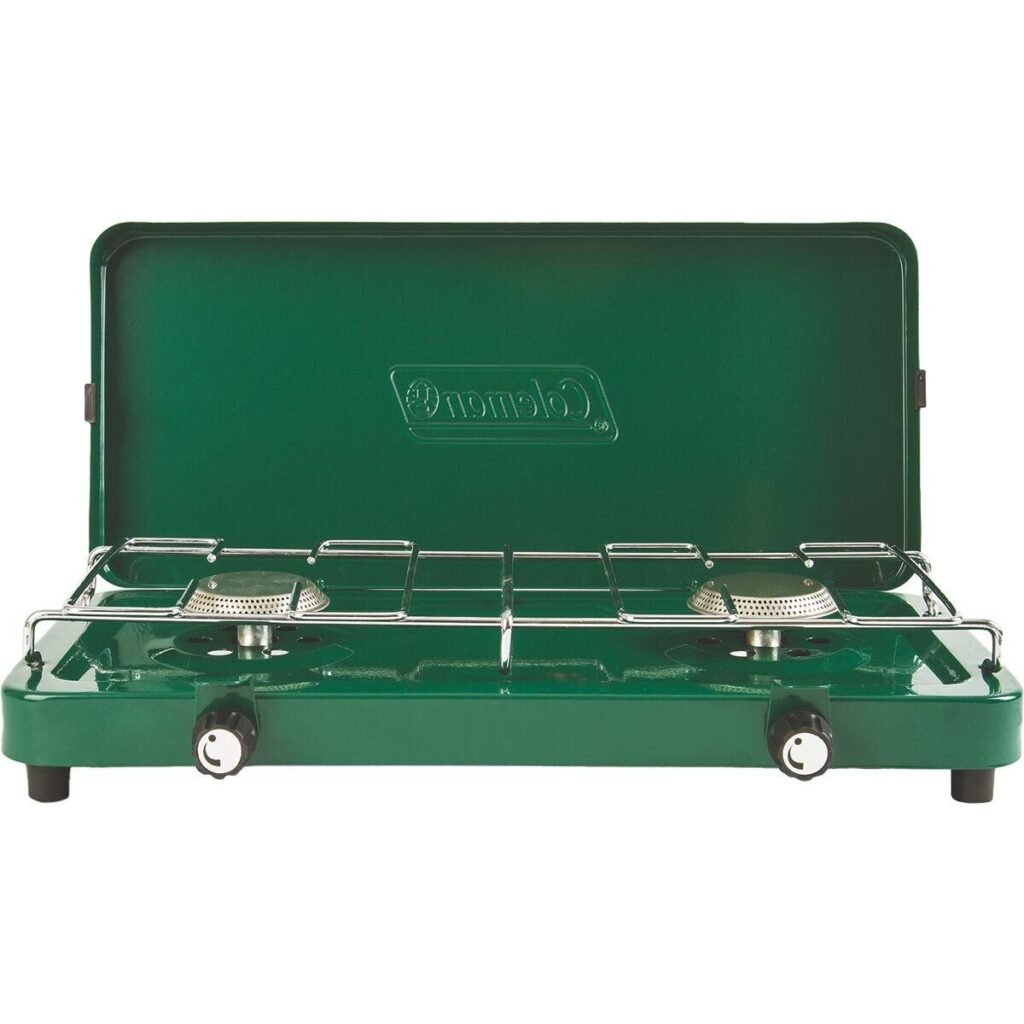
Coleman Classic 2-Burner Camping Stove
A practical two-burner stove for preparing breakfast, lunch and dinner outdoors. Cook eggs on one burner while heating water or preparing another dish on the other.
2. Camping Cookware Set
A compact cookware set should include:
Cooking pot.
Frying pan.
Lid.
Cooking utensils.
Basic serving equipment.
For car camping, stainless steel and aluminum cookware are practical choices depending on your cooking preferences.
Choose cookware that fits your stove and packs neatly into your kitchen storage box.
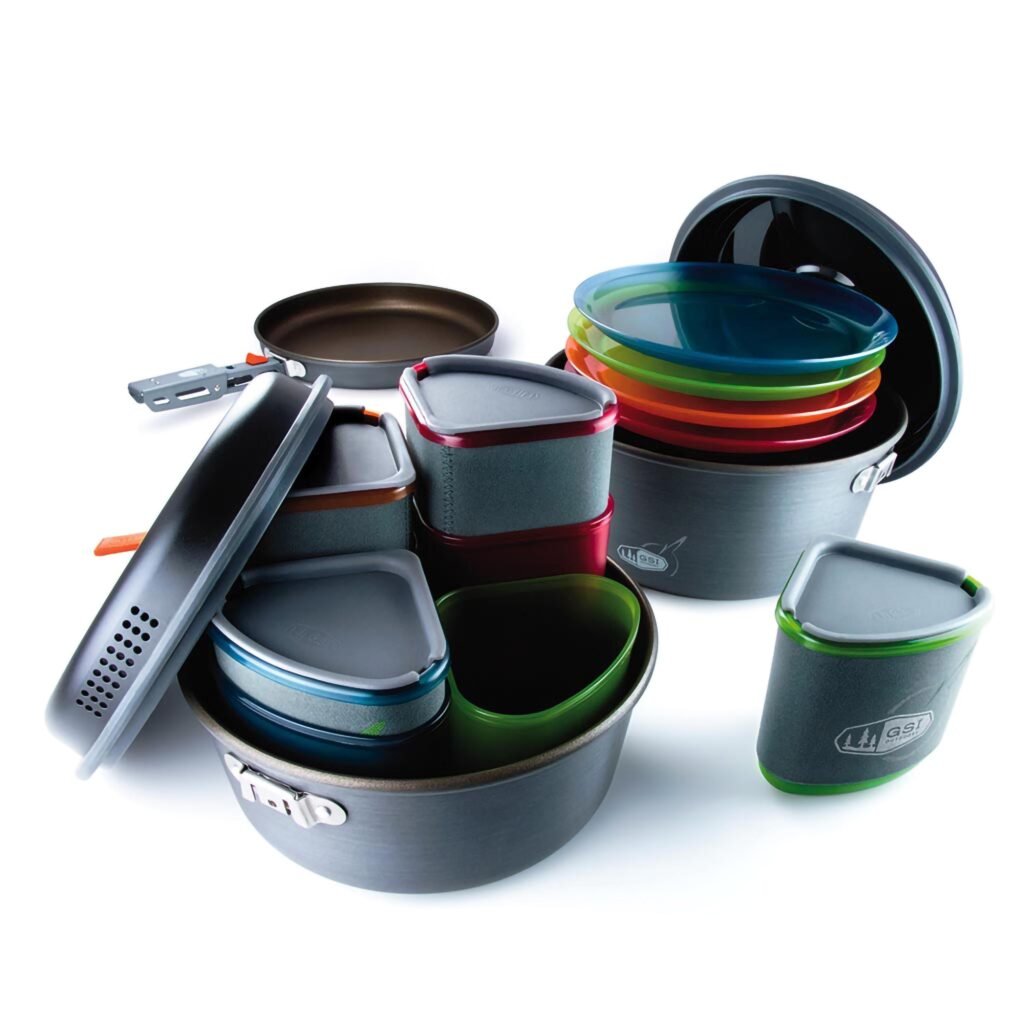
GSI Outdoors Pinnacle Camper Cookware Set
A compact nesting cookware system with pots, pans and dining equipment. Useful for preparing pasta, pancakes, fajitas and other simple campsite meals.
3. Camping Table
A portable folding table gives you a clean, convenient place to prepare ingredients and organize meals.
It is especially useful when the campsite picnic table is dirty, too small, or positioned inconveniently.
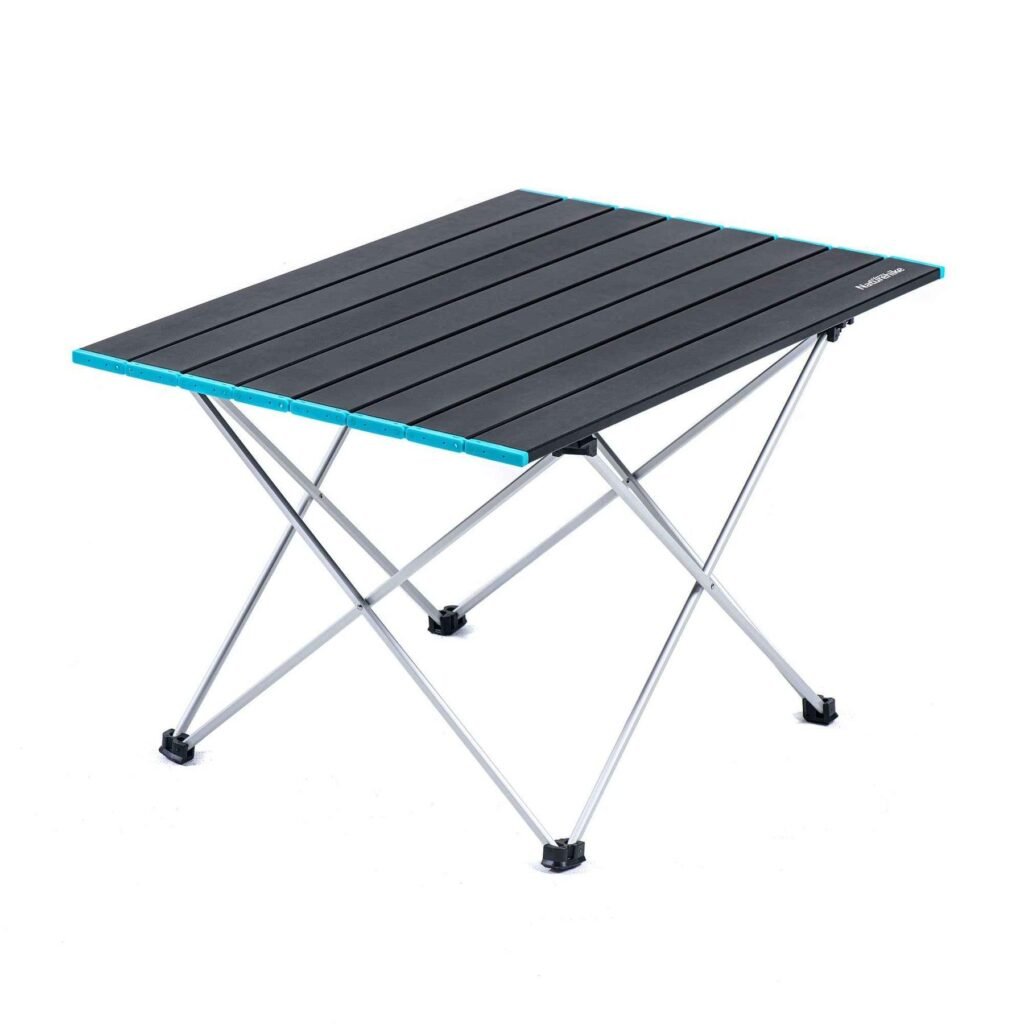
Naturehike PeakLite Folding Camping Table
A portable work surface for preparing vegetables, organizing ingredients and setting up your outdoor cooking area. Its folding design makes it convenient to pack in your vehicle.
4. Cooler or Portable Refrigerator
Food storage is one of the most important parts of a camping kitchen.
A quality cooler works well for weekend trips. If you camp frequently or travel for several days, a powered portable refrigerator may be worth considering.
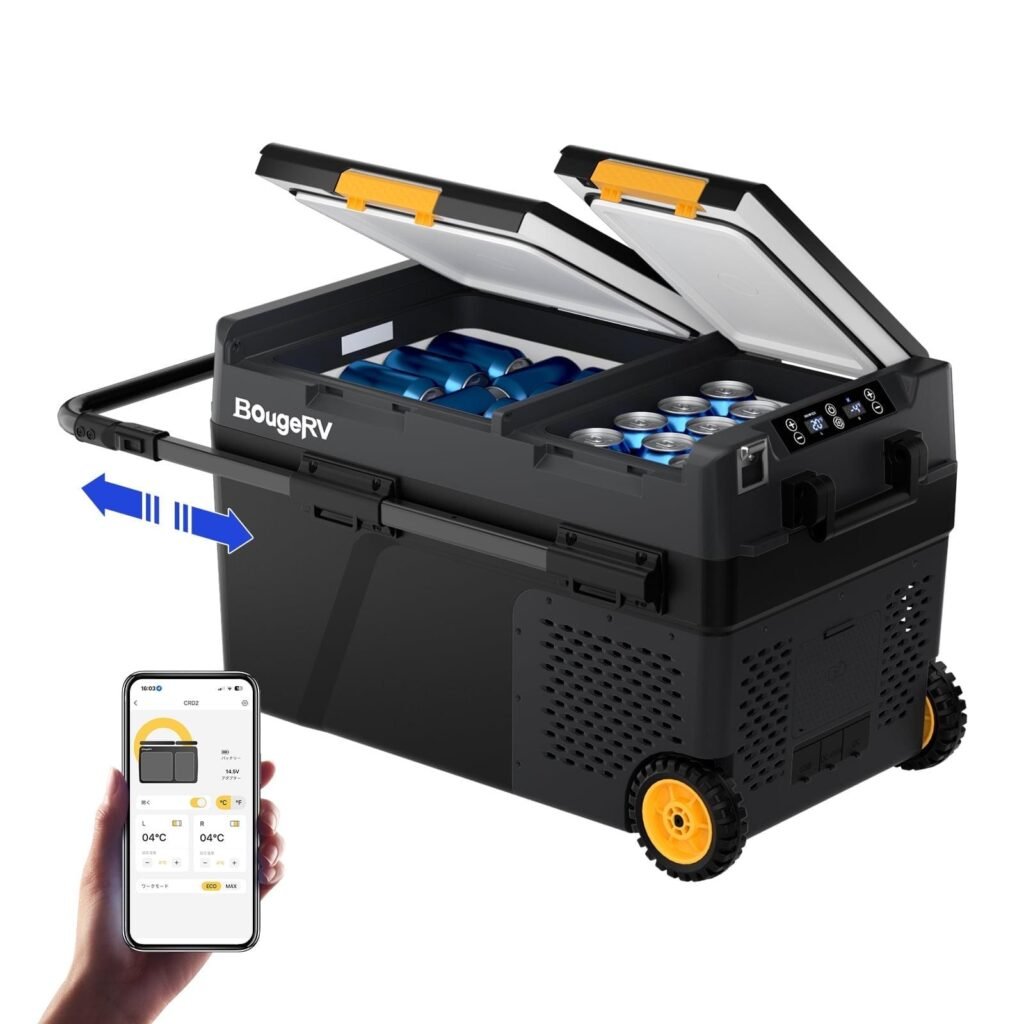
BougeRV 12V Portable Car Refrigerator
A powered cooling alternative for longer road trips. It can help maintain a consistent cooling environment for food and drinks without relying on regular ice replenishment.
5. Cooking Utensils
A basic utensil kit should include:
Spatula.
Tongs.
Cooking spoon.
Sharp food-preparation knife.
Cutting board.
Measuring cup.
Bottle opener.
Store sharp tools safely and separately from other equipment.
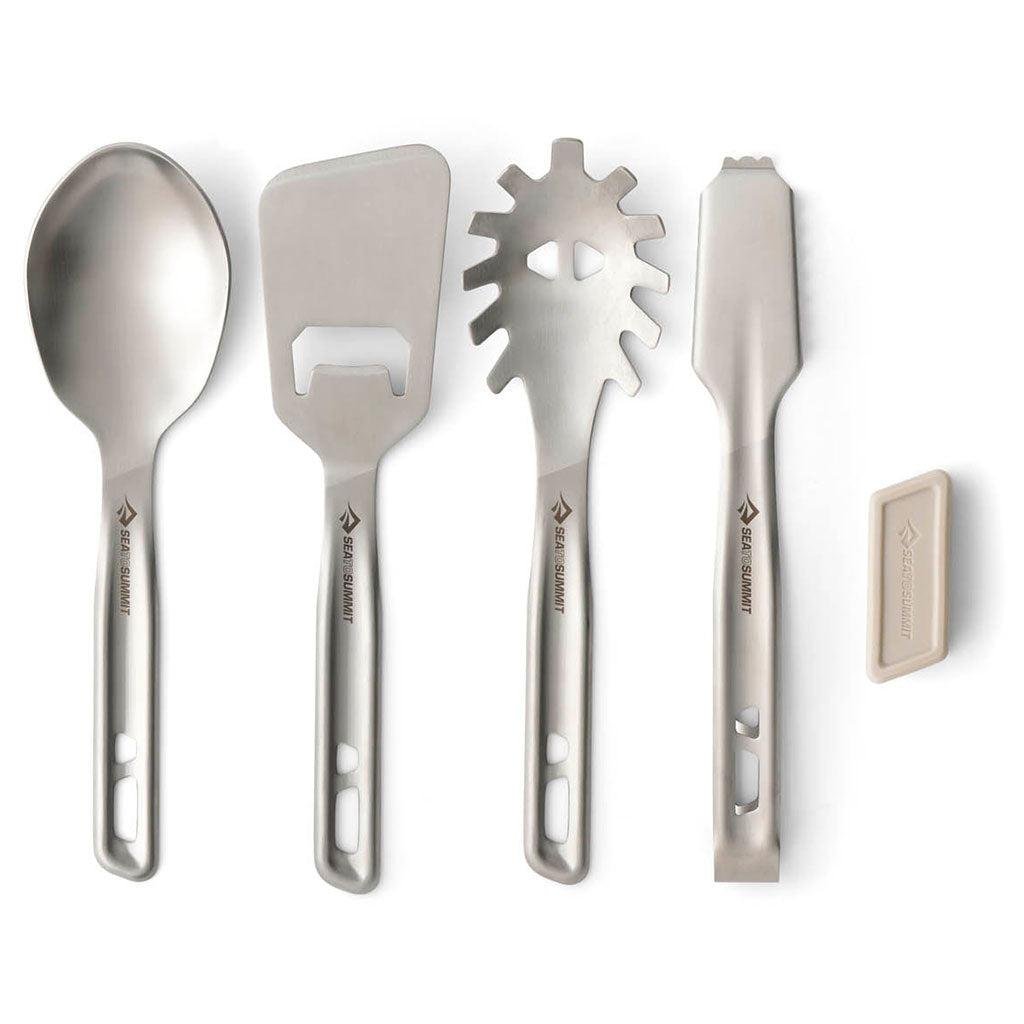
Sea to Summit Detour Utensil Set
A practical collection of cooking utensils for preparing breakfast, stirring pasta, turning food and serving meals. Compact storage helps keep your camp kitchen organized.
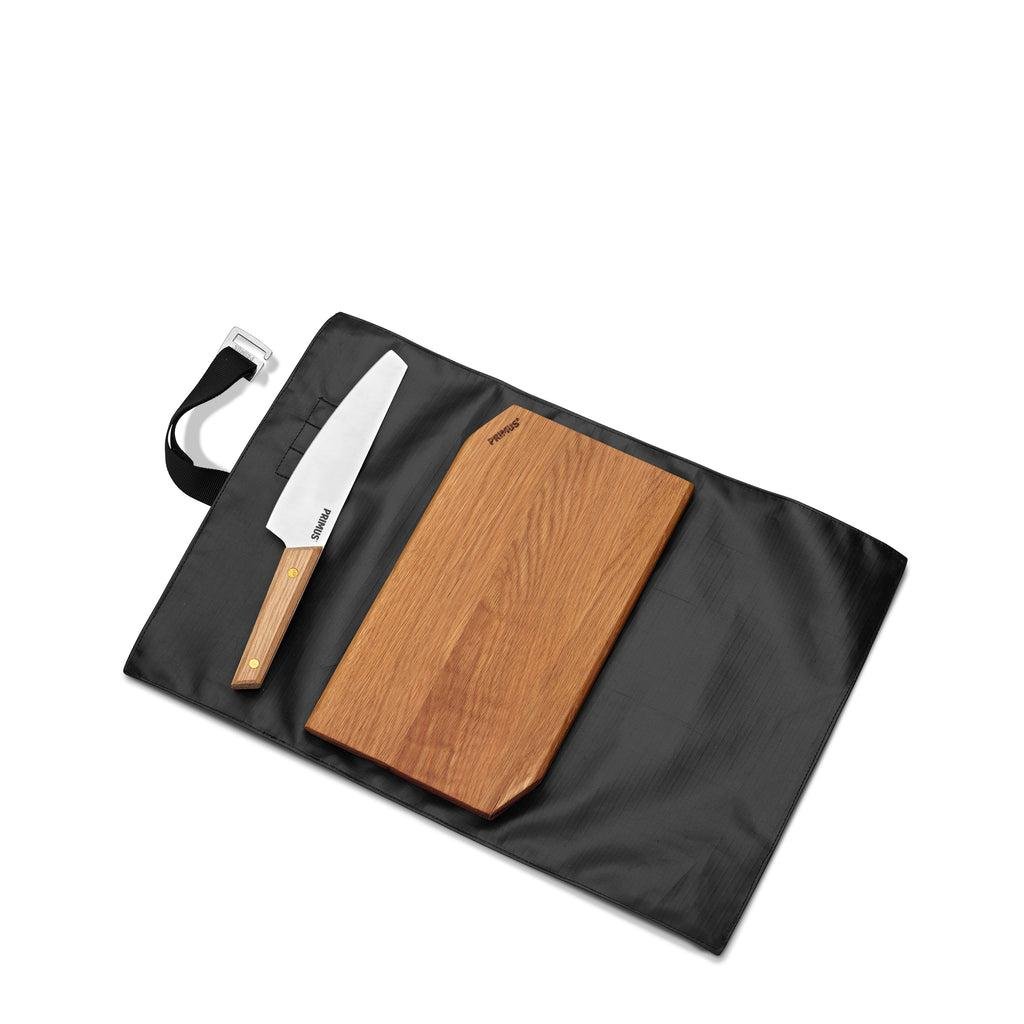
Primus CampFire Cutting Set
A compact knife and cutting board combination for preparing vegetables, meat and other meal ingredients. Its portable design makes it convenient to pack with your cooking equipment.
6. Plates, Bowls and Cutlery
Reusable plates, bowls and utensils are convenient for regular car camping.
Choose durable materials that are easy to clean and store.
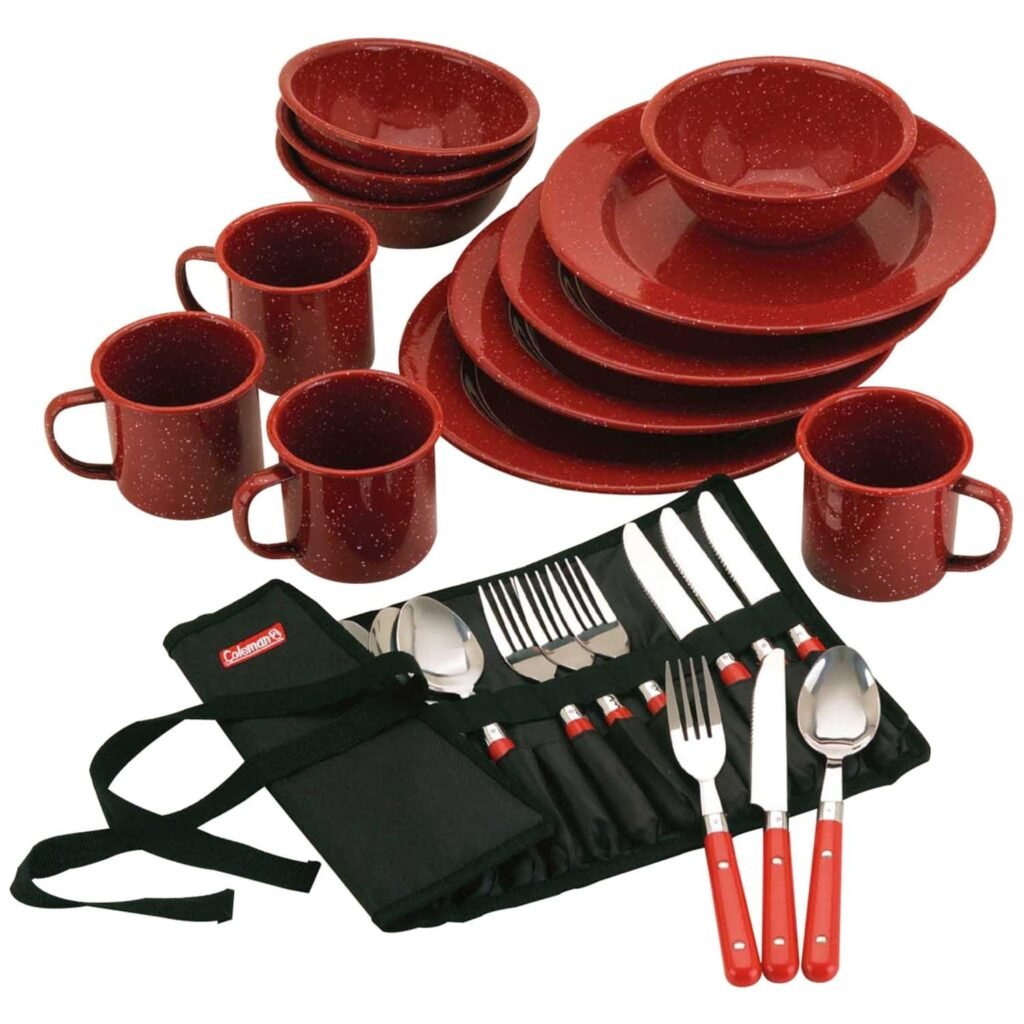
Coleman Enamel Camping Dinnerware Set
A reusable dinnerware set for serving breakfast, sandwiches, pasta and outdoor dinners. Durable enamel-style dishes offer a practical alternative to disposable plates.
7. Water Containers and Cleaning Supplies
Don’t forget the equipment needed after cooking.
Bring:
Reusable water containers.
Biodegradable or campground-approved dish soap.
Sponge or cleaning cloth.
Dish towel.
Garbage bags.
Food storage containers.
Follow campground wastewater disposal rules. Don’t dump dishwater directly into lakes, rivers, or natural waterways.
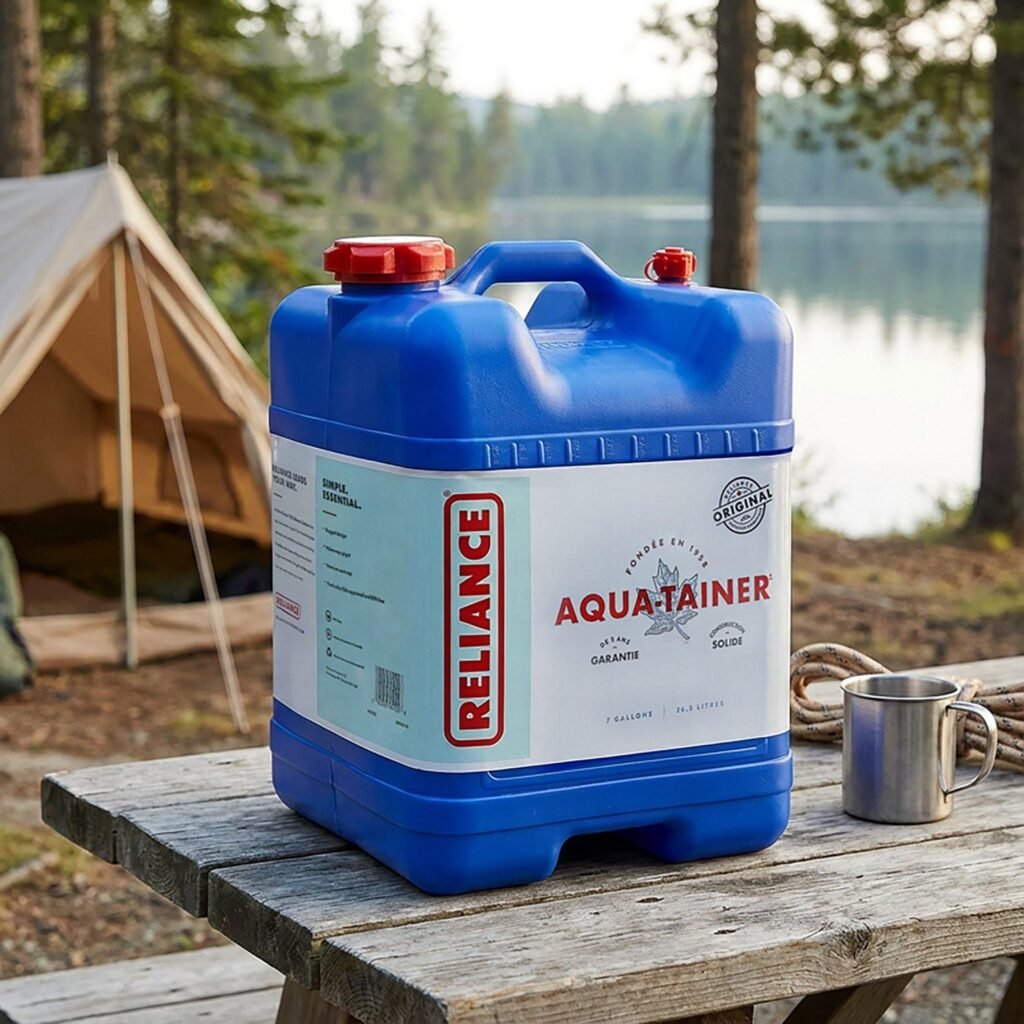
Reliance Aqua-Tainer 7-Gallon Water Container
A large-capacity water container for carrying drinking and cooking water to the campsite. The integrated spigot makes it convenient to dispense water when preparing meals or washing hands.
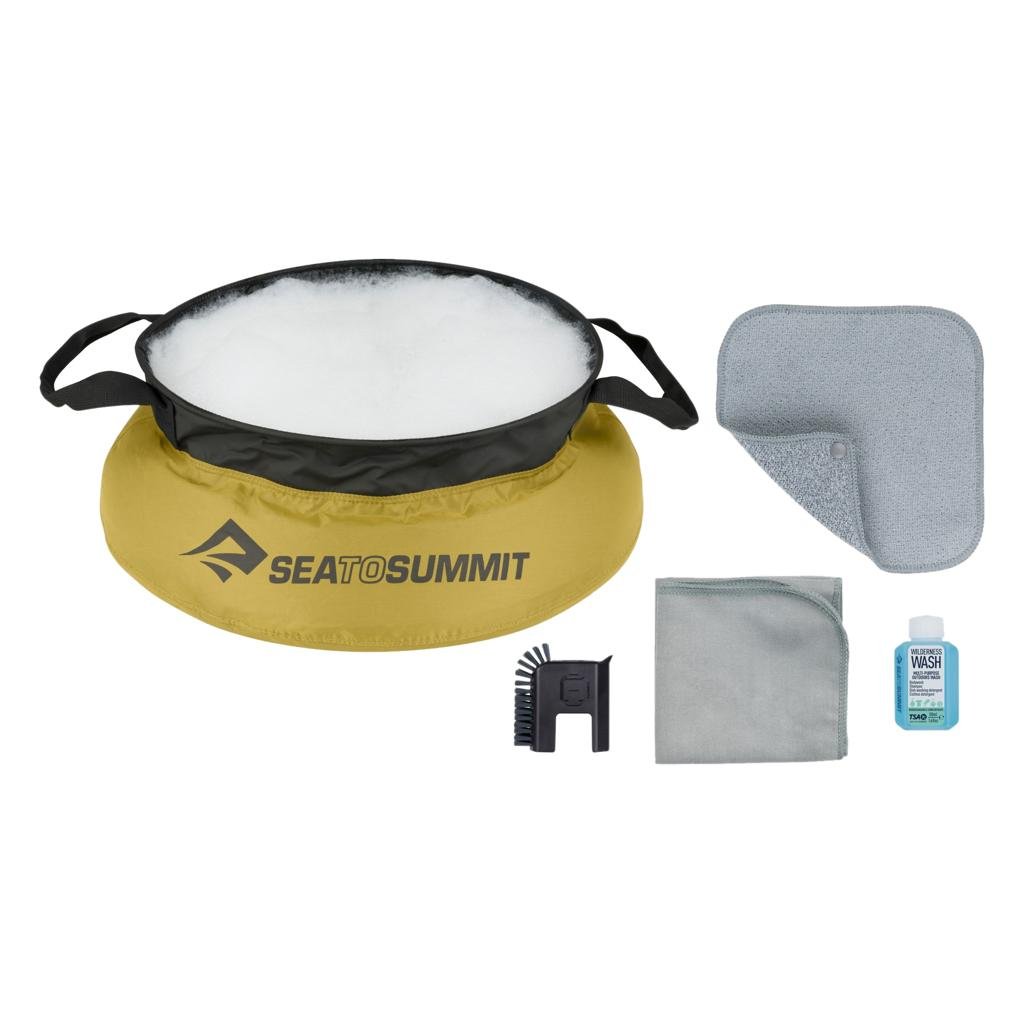
Sea to Summit Kitchen Sink & Camp Cleaning Kit
A practical washing setup for cleaning cookware, plates and utensils after meals. Combine a collapsible wash basin with a sponge, campground-approved dish soap and quick-dry towels.
5. How to Organize Your Camp Kitchen
A little organization makes campsite cooking much easier.
I recommend dividing your kitchen equipment into three main groups.
Cooking box
Stove accessories.
Pots and pans.
Cooking utensils.
Cutting board.
Basic seasonings.
Food box
Dry food.
Snacks.
Bread and tortillas.
Shelf-stable ingredients.
Condiments.
Cleaning box
Dish soap.
Sponge.
Dish towels.
Garbage bags.
Food storage containers.
Keep the cooler separate from dry storage.
Also, never leave food or scented cooking items unattended. Store everything according to local wildlife regulations. In bear country, use approved bear-resistant storage or campground food lockers as required.
6. Simple Two-Day Car Camping Kitchen Checklist
Use this checklist before leaving home.
Food and Ingredients
- Breakfast ingredients
- Lunch ingredients
- Dinner ingredients
- Snacks
- Drinking water
- Coffee or tea
- Cooking oil
- Salt and pepper
- Favorite seasonings
- Condiments
Cooking Equipment
- Portable camping stove
- Compatible fuel
- Cooking pot
- Frying pan
- Cooking utensils
- Cutting board
- Food preparation knife
- Plates and bowls
- Cups and cutlery
Food Storage
- Cooler
- Ice or frozen packs
- Food storage containers
- Reusable bags
- Cooler thermometer
Cleaning Supplies
- Dish soap
- Sponge
- Dish towels
- Garbage bags
- Paper towels
- Handwashing supplies
Before Leaving
- Prepare ingredients
- Portion meals
- Check cooler temperature
- Confirm fuel compatibility
- Check campground cooking restrictions
- Check local fire restrictions
- Pack drinking water
7. Common Camping Cooking Mistakes to Avoid
Even simple outdoor meals can become frustrating if you overlook a few details.
Bringing too many ingredients
A complicated menu means more containers, more preparation, and more cleanup. Start with simple meals that share ingredients.
Forgetting cooking fuel
Always check how much fuel your stove needs and bring compatible spare fuel when appropriate.
Not preparing ingredients at home
Cutting vegetables and measuring ingredients at camp takes extra time. Do as much preparation as possible before departure.
Using an undersized cooler
A cooler packed too tightly may not maintain safe temperatures. Choose an appropriate size and leave room for ice or frozen packs.
Not having enough water
Cooking, drinking, washing hands, and cleaning dishes all require water. Plan your supply before leaving.
Ignoring food safety
Keep cold food cold, separate raw meat from ready-to-eat foods, and cook food to safe internal temperatures.
Forgetting cleanup supplies
A great dinner can become a frustrating experience if you have no sponge, dish soap, or garbage bags.
8. Final Thoughts: Keep Camping Meals Simple
The best camping meals aren’t necessarily the most complicated.
For a weekend car camping trip, I would focus on a few reliable recipes, prepare ingredients at home, and bring only the kitchen equipment I actually need.
My personal priorities for a practical camp kitchen would be:
A reliable two-burner camping stove.
A compact cookware set.
A good cooler with proper temperature control.
A folding table for food preparation.
Reusable containers for meal organization.
Basic cooking and cleaning utensils.
Start with a simple menu, learn what works for your group, and gradually improve your setup.
After all, the point of camping isn’t to spend the entire weekend cooking and washing dishes.
It’s to enjoy good food, fresh air, beautiful surroundings, and more time outdoors.
Frequently Asked Questions
1. What are the easiest meals to make while car camping?
Breakfast burritos, pancakes, sandwiches, quesadillas, one-pot pasta, foil packet meals, and burgers are all practical choices. Most require only a basic camping stove and a few ingredients.
2. What food should I prepare before a camping trip?
Wash and cut vegetables, portion seasonings, prepare sauces, cook suitable ingredients, and organize individual meals into sealed containers. Keep perishable foods refrigerated until departure.
3. What cooking equipment do I need for car camping?
A portable stove, cookware, utensils, cutting board, cooler, water containers, plates, bowls, and cleaning supplies are enough for most weekend trips.
4. How do I keep food cold while camping?
Pre-chill your cooler, use sufficient ice or frozen packs, keep it at 40°F or below, separate raw meat from ready-to-eat food, and minimize unnecessary opening.
5. Can I cook all my camping meals on a two-burner stove?
Yes. A two-burner stove can handle most basic camping meals, including eggs, pasta, fajitas, pancakes, and burgers. Choose cookware that fits your stove safely.
6. How much food should I bring for a two-night camping trip?
Plan three meals per full day, plus snacks and drinks. Adjust portions according to the number of campers, activity level, and whether you’ll eat during the drive.
Affiliate Disclosure
Peakpulse may earn a commission when you purchase products through qualifying Amazon links on this website, at no additional cost to you. We aim to recommend practical camping kitchen equipment and outdoor products that offer useful features and good value for campers.


