

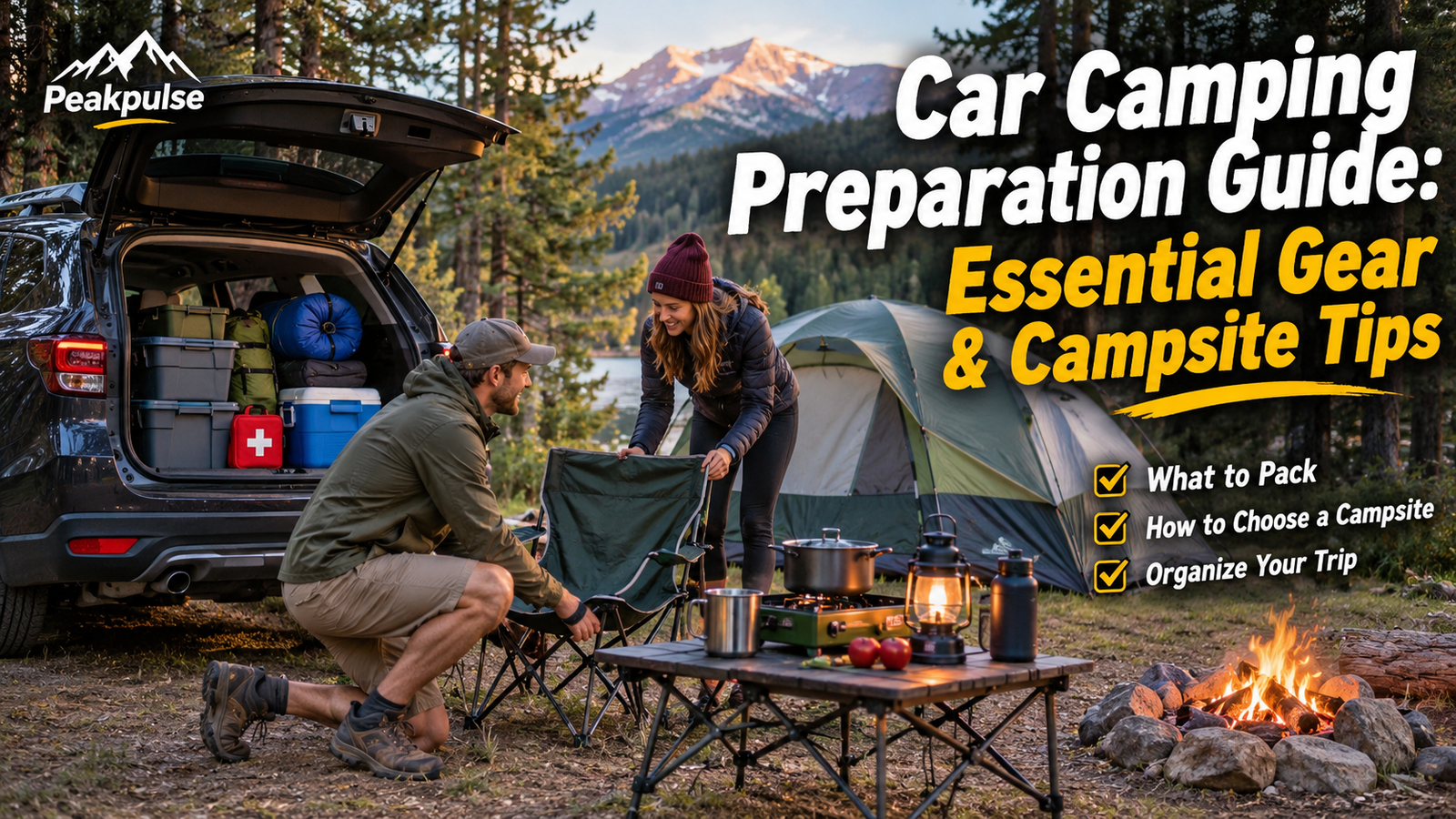
Planning a car camping trip sounds simple. Pack your gear, load everything into the trunk, drive somewhere beautiful, and enjoy the outdoors.
But after spending more time planning camping trips, I’ve realized that two things make a much bigger difference than most beginners expect: bringing the right equipment and choosing the right campsite.
You don’t need to buy every piece of camping gear on the market. You just need equipment that works well together, fits your vehicle, and makes your time outdoors more comfortable.
In this guide, I’ll walk through the essential gear to prepare for a car camping trip, what I would prioritize when packing, and how to choose a campsite that makes the whole experience easier.
1. Start with a Practical Car Camping Gear Checklist
Before thinking about optional accessories, focus on the equipment you’ll actually use.
For a typical weekend car camping trip, I would divide everything into seven categories.
1. Tent and Shelter
Your tent is one of the most important pieces of camping equipment. It protects you from wind, rain, insects, and changing temperatures.
For car camping, you don’t necessarily need an ultralight backpacking tent. A little extra space can make a big difference, especially if you’re camping with another person.
What to look for:
Enough sleeping space for everyone.
A rainfly with reliable weather protection.
Good ventilation to reduce condensation.
A simple setup process.
A vestibule for shoes and muddy equipment.
A 2-person tent works well for one or two minimalist campers, while a 3–4-person tent usually provides more comfortable space for couples or small families.
My advice: Don’t choose a tent based only on its advertised capacity. If you want room for bags and other equipment, consider going one size larger.
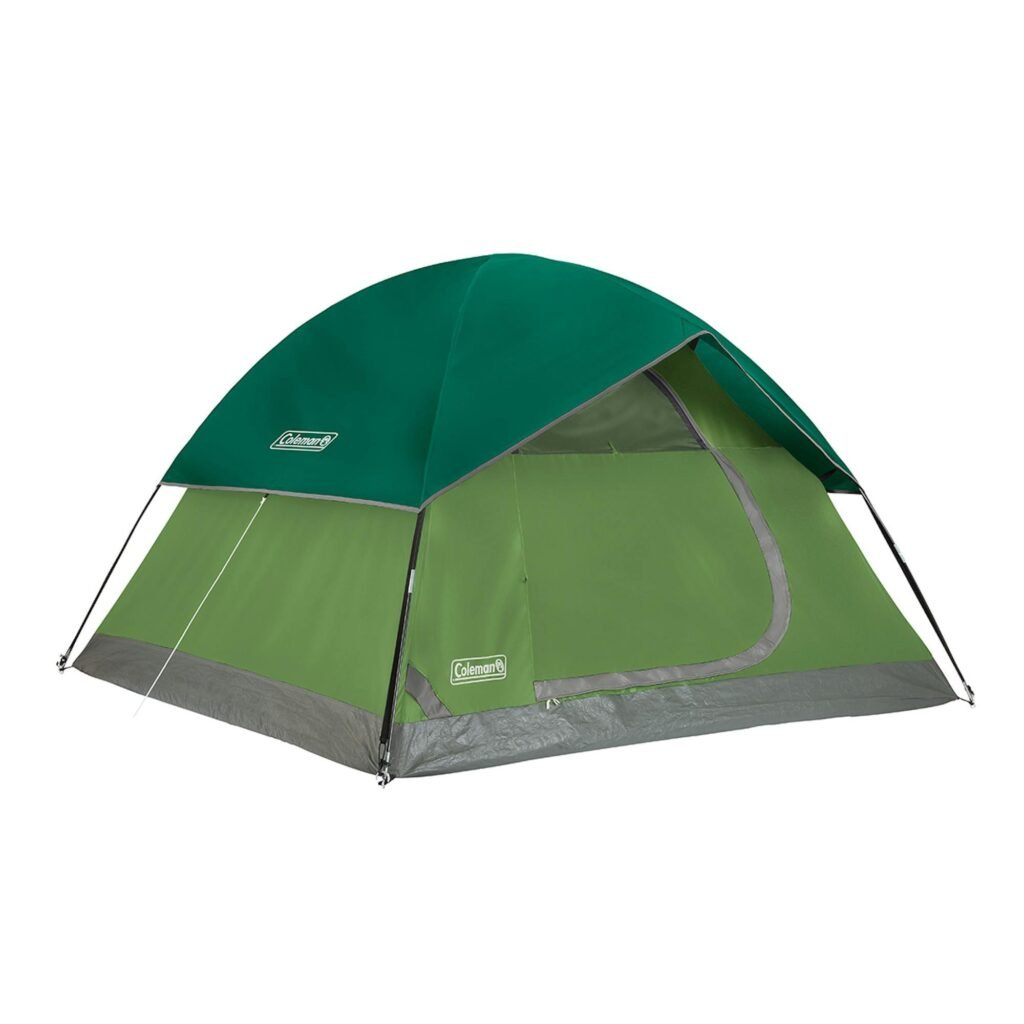
Coleman Sundome Camping Tent
A practical dome tent with easy setup, good ventilation, and WeatherTec weather protection. A solid option for weekend car camping.
2. Sleeping Bags, Sleeping Pads and Pillows
A comfortable night’s sleep can completely change your camping experience.
I’ve found that beginners often spend too much attention on the tent and overlook their sleeping setup. But even an expensive tent won’t help much if you’re cold or uncomfortable all night.
Your sleeping setup should include:
A sleeping bag suitable for the expected nighttime temperature.
An insulated sleeping pad or air mattress.
A compact camping pillow.
A sleeping bag liner if you need additional warmth.
Pay particular attention to the sleeping pad’s insulation rating (R-value). A thicker mattress isn’t automatically warmer.
For colder conditions, insulation between your body and the ground matters just as much as the sleeping bag itself.
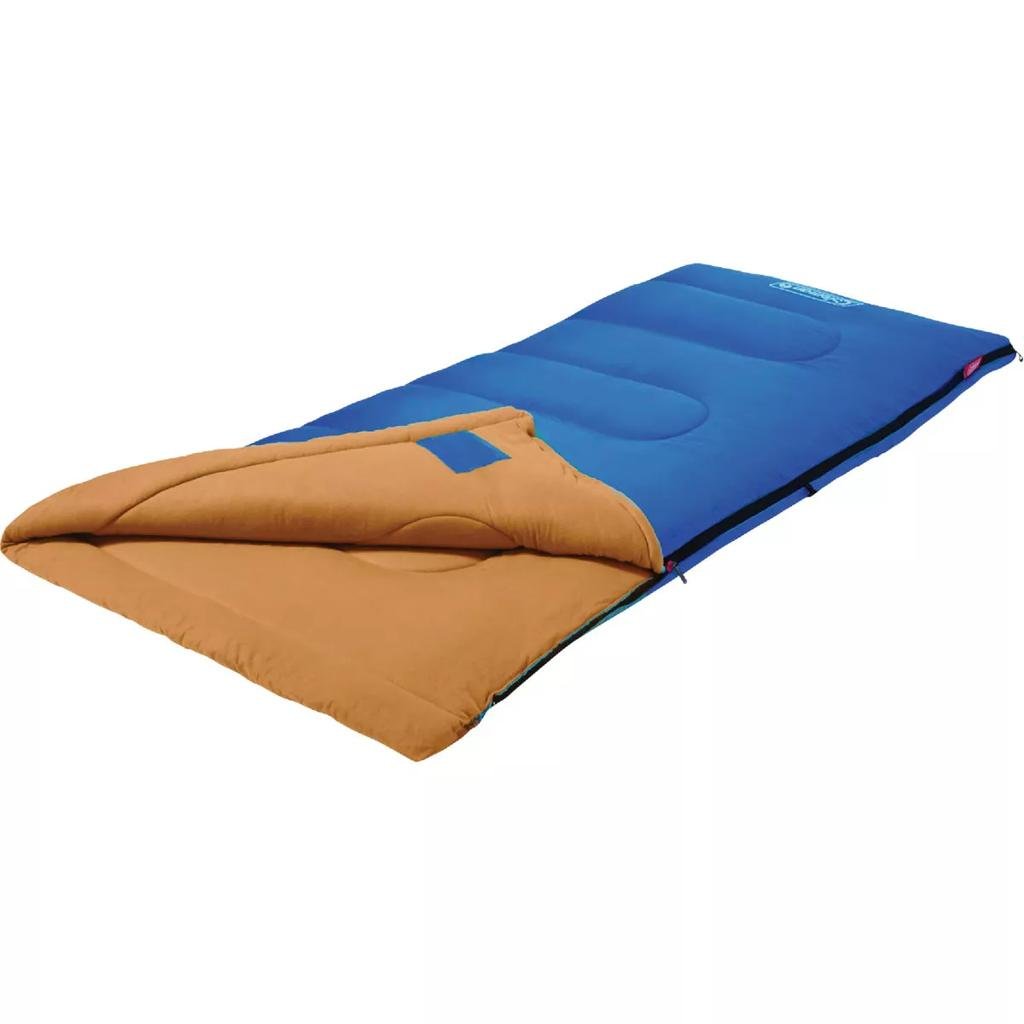
Coleman Brazos Cold Weather Sleeping Bag
A practical sleeping bag for weekend camping. Its rectangular design provides room to move, while the temperature rating makes it suitable for cooler camping conditions when used appropriately.
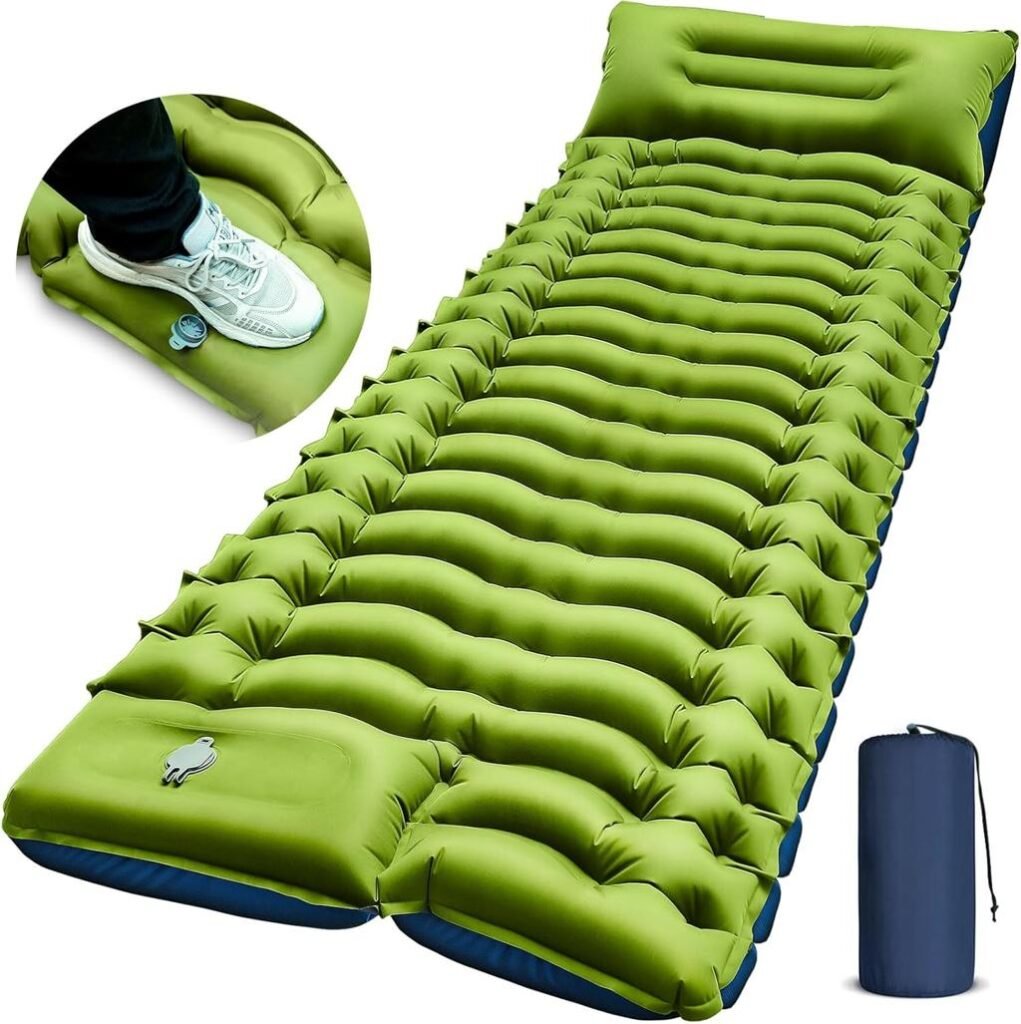
FUN PAC Inflatable Camping Sleeping Pad
Features a built-in foot pump and integrated pillow. A convenient option for campers who want a compact sleeping setup without carrying a bulky mattress.
3. Camping Kitchen and Cooking Equipment
One of the best things about car camping is that you don’t have to carry all your cooking equipment on your back.
You can bring a more practical kitchen setup, including:
Portable camping stove.
Fuel compatible with your stove.
Camping cookware set.
Plates, bowls and utensils.
Reusable water containers.
Cooler or food storage box.
Dishwashing supplies and garbage bags.
For most weekend trips, a single-burner or two-burner stove is enough.
I would also recommend preparing some meals at home. It saves time at camp and means you won’t have to spend your entire evening cooking.
Always check campground fire restrictions and stove-use rules before departure.
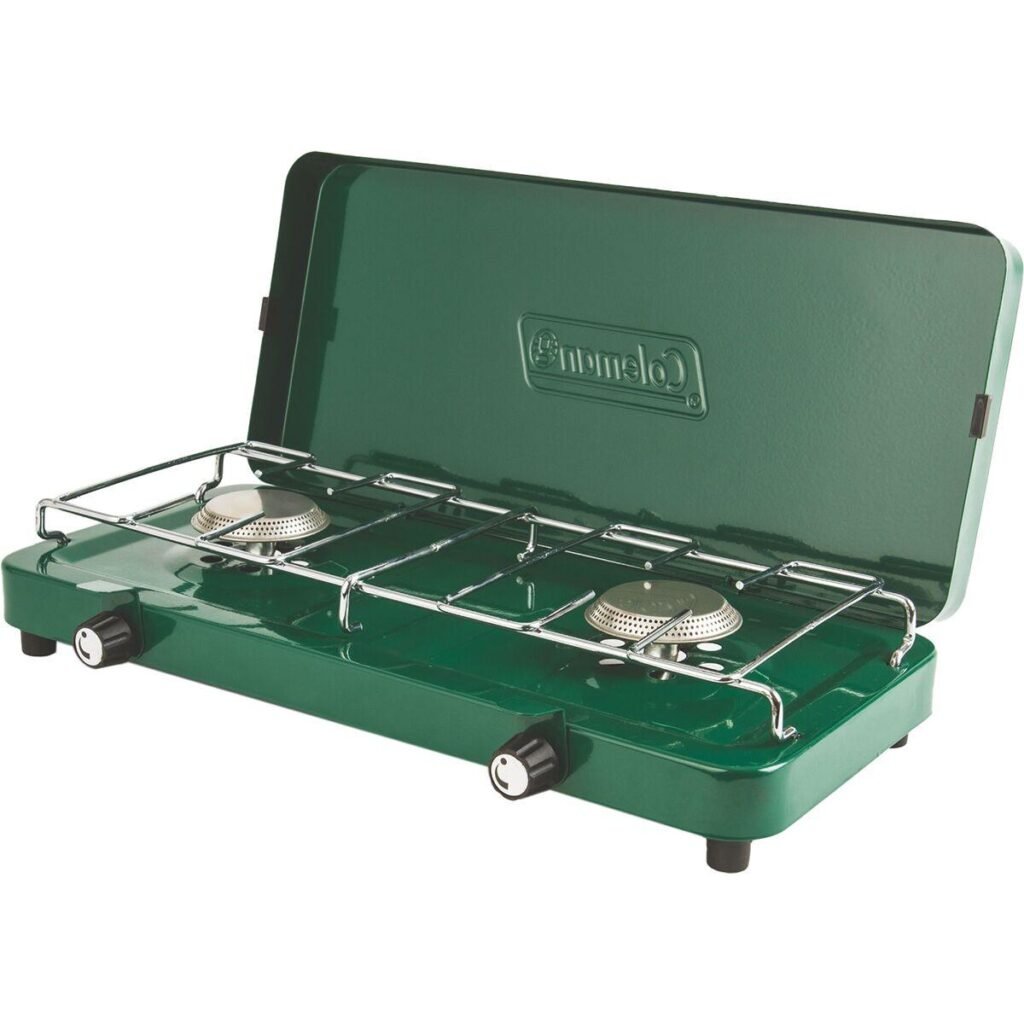
Coleman Classic 2-Burner Camping Stove
Two burners make it easier to prepare multiple dishes at once. Ideal for family camping, weekend road trips, and outdoor meal preparation.
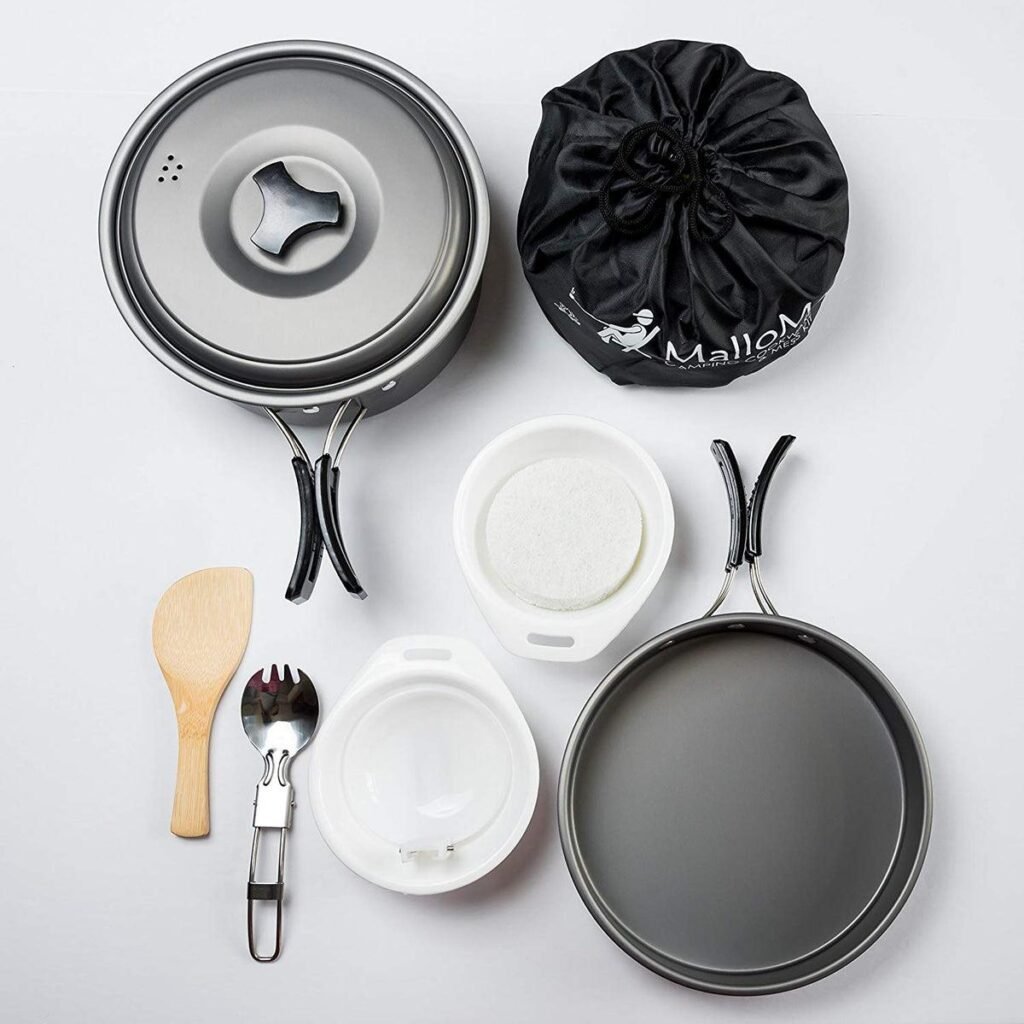
MalloMe Camping Cookware Mess Kit
A compact cookware set with nesting pots and pans. Useful for organizing cooking equipment and preparing simple meals at the campsite.
4. Lighting and Electrical Equipment
Once the sun goes down, a campsite can become surprisingly dark.
I prefer having more than one light source rather than relying on a single flashlight.
A practical lighting setup includes:
Headlamp for hands-free activities.
Rechargeable camping lantern for the tent or table.
Small flashlight for walking around camp.
Power bank for phones and small electronics.
Charging cables and spare batteries.
A headlamp is particularly useful when setting up a tent, preparing food, or finding something inside your vehicle at night.
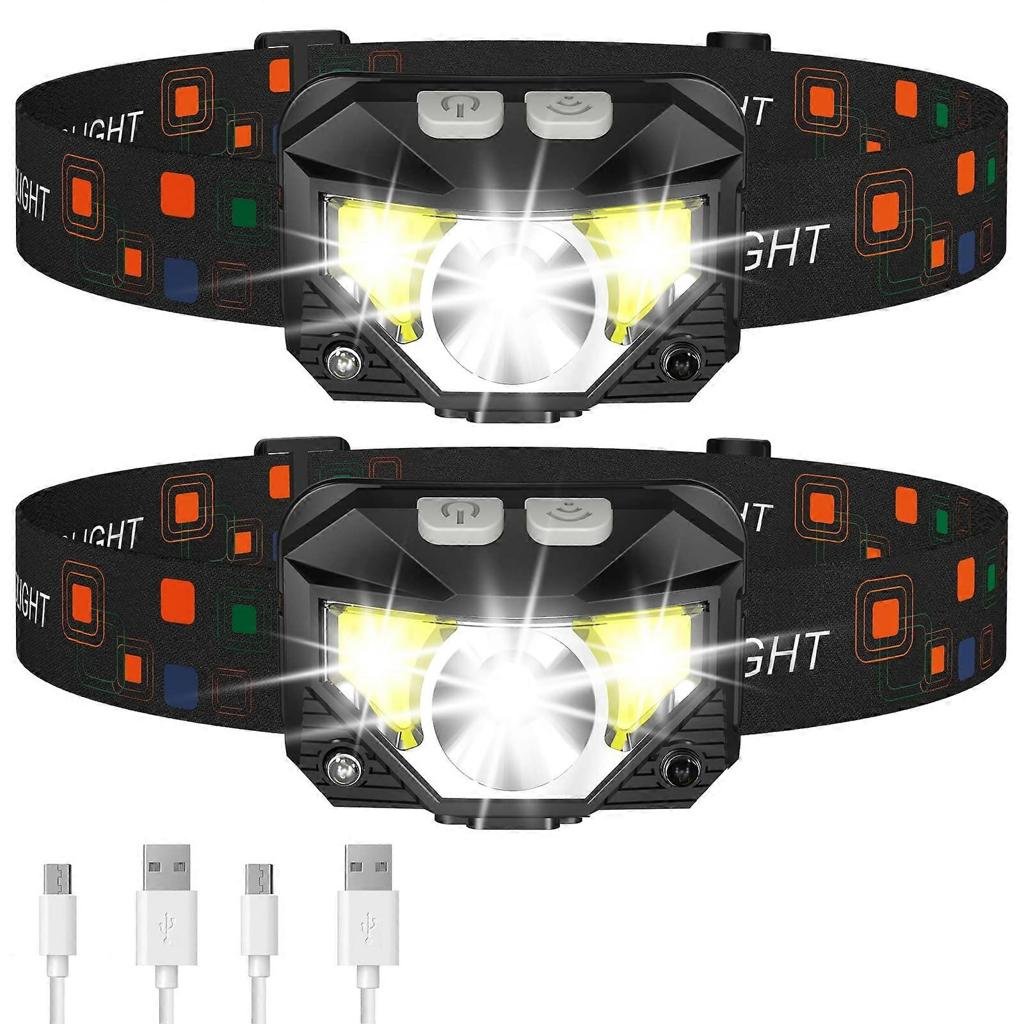
06. LHKNL Rechargeable LED Headlamp
A rechargeable hands-free lighting option for nighttime campsite activities. Useful when setting up a tent, preparing food or walking around camp after dark.
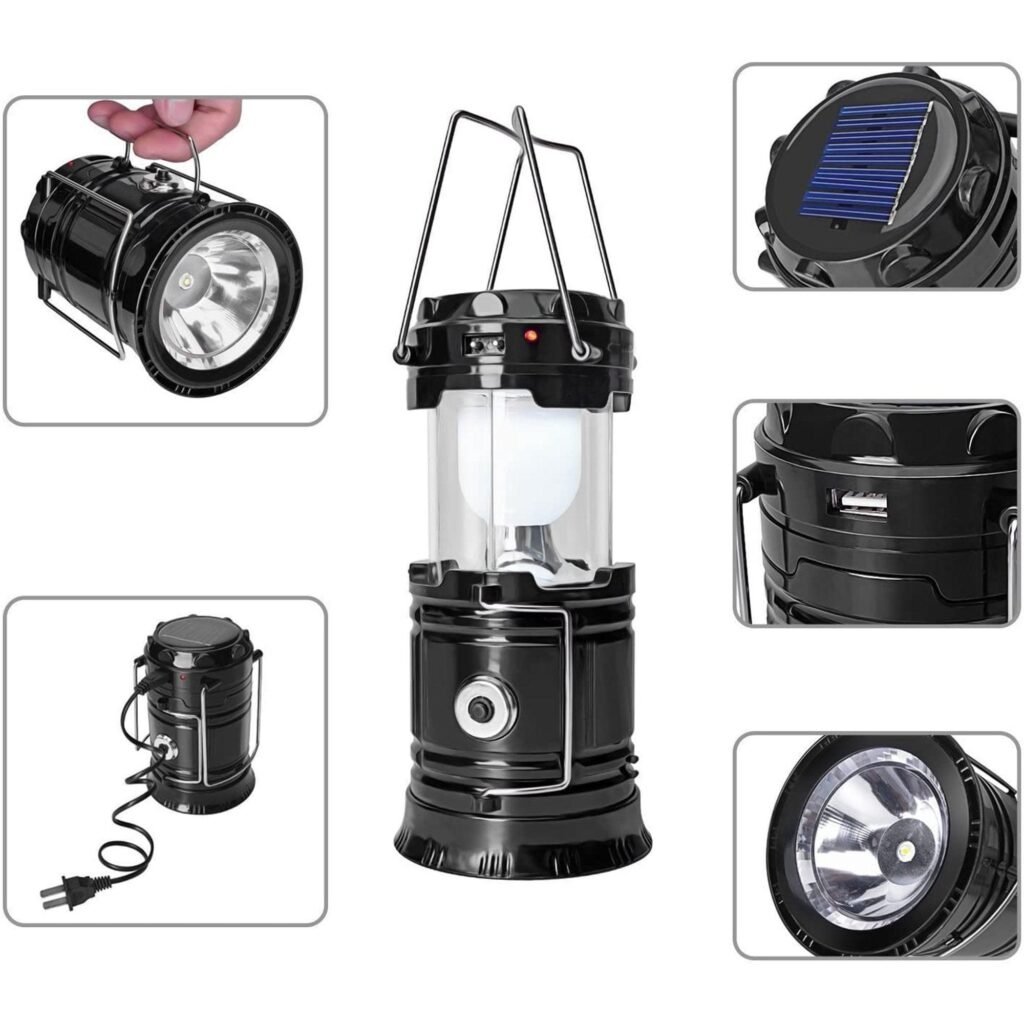
07. XTAUTO Collapsible Camping Lantern
A compact lantern for illuminating your tent, picnic table and cooking area. Its collapsible design makes it convenient to store with your other camping equipment.
5. Camping Chairs and Outdoor Furniture
Comfortable seating is easy to underestimate.
After driving for several hours, setting up a tent, and preparing dinner, having somewhere comfortable to sit makes the campsite feel much more inviting.
Consider bringing:
Folding camping chairs.
Portable camping table.
Compact side table.
Outdoor ground mat.
For car camping, weight is usually less important than comfort, durability, and how easily everything fits into your trunk.
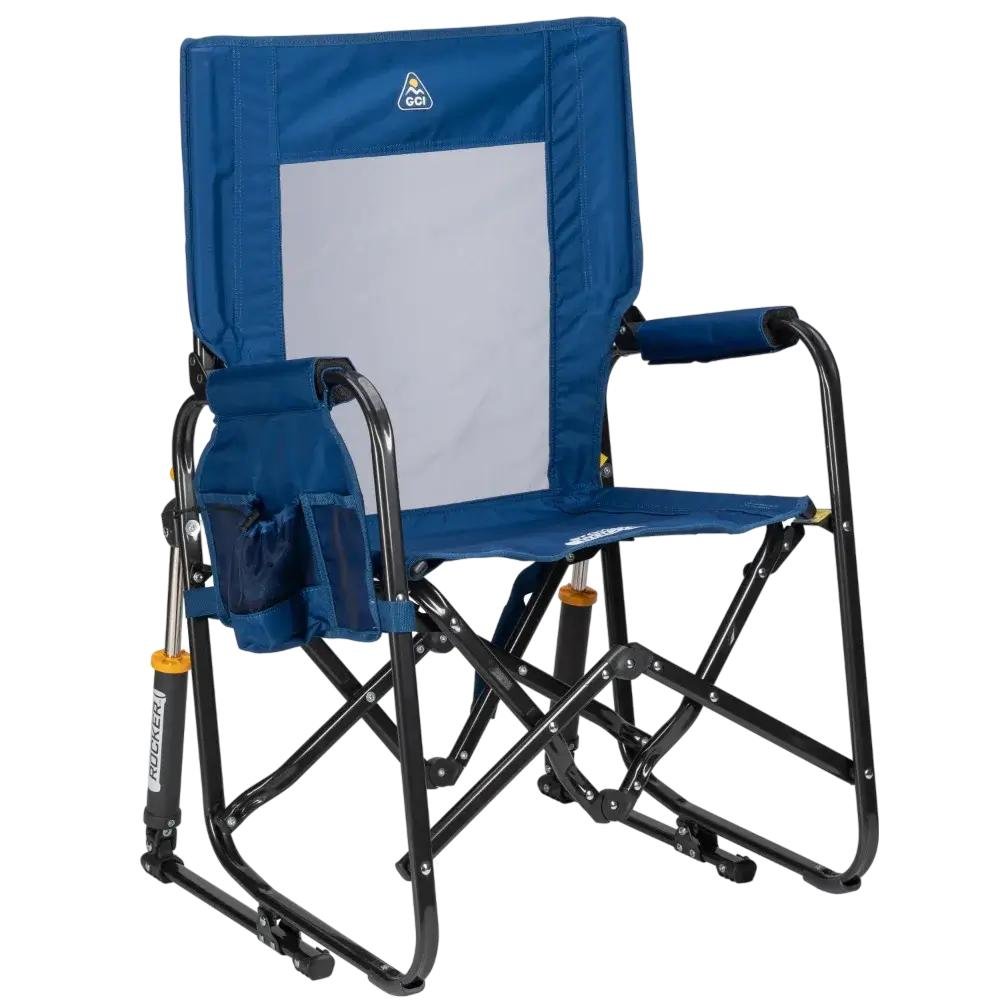
08. GCI Outdoor Freestyle Rocker Camping Chair
A folding outdoor chair with a rocking design and supportive backrest. A comfortable seating option for relaxing around the campsite after a day outdoors.
6. Storage Boxes and Camping Organization
This is one of the most useful improvements you can make to your camping setup.
Without proper organization, your vehicle can quickly become a mess. Small items disappear, cooking supplies get mixed with sleeping equipment, and finding something at night becomes frustrating.
I recommend separating your equipment into different storage categories:
Kitchen box: stove, cookware, utensils and cleaning supplies.
Sleeping box: pillows, sleeping bags and small accessories.
Lighting box: lanterns, headlamps, batteries and cables.
General equipment box: tools, repair supplies and miscellaneous items.
Clear storage bins are particularly useful because you can see what’s inside without opening every container.
Keep frequently used equipment somewhere accessible rather than burying it underneath everything else.
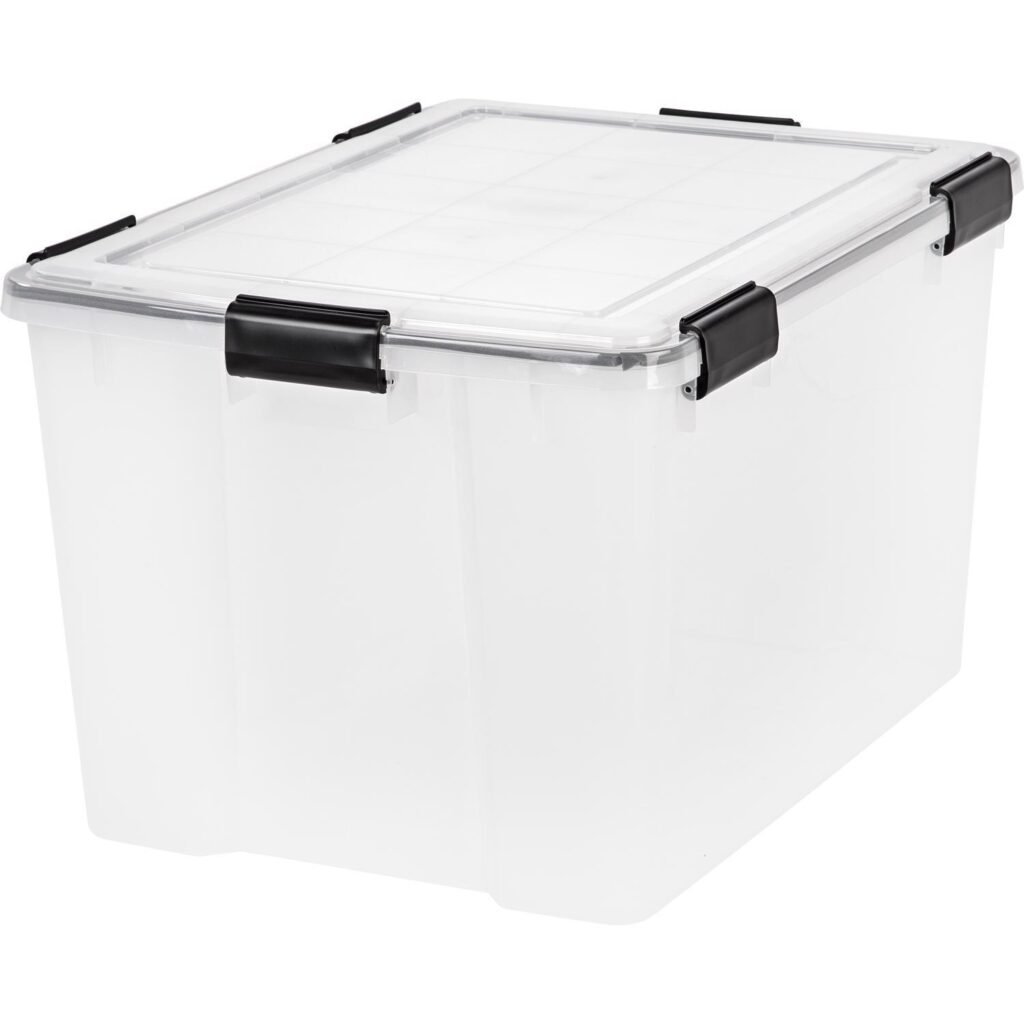
09. IRIS WeatherPro Storage Tote
A practical storage container for organizing cooking supplies, lighting accessories and miscellaneous camping gear. Its transparent body makes it easier to identify stored equipment.
7. Safety and Emergency Supplies
This is the category I would never skip.
Even if you’re only camping for one night, unexpected weather, vehicle problems, or minor injuries can happen.
Pack:
First-aid kit.
Emergency blanket.
Basic repair tools.
Tire pressure gauge.
Portable tire inflator.
Drinking water.
Extra food.
Whistle.
Paper map or offline navigation.
Personal medications.
If you’re traveling somewhere remote, consider carrying an emergency communication device that works outside normal cell coverage.
Also make sure someone knows your destination and expected return time.
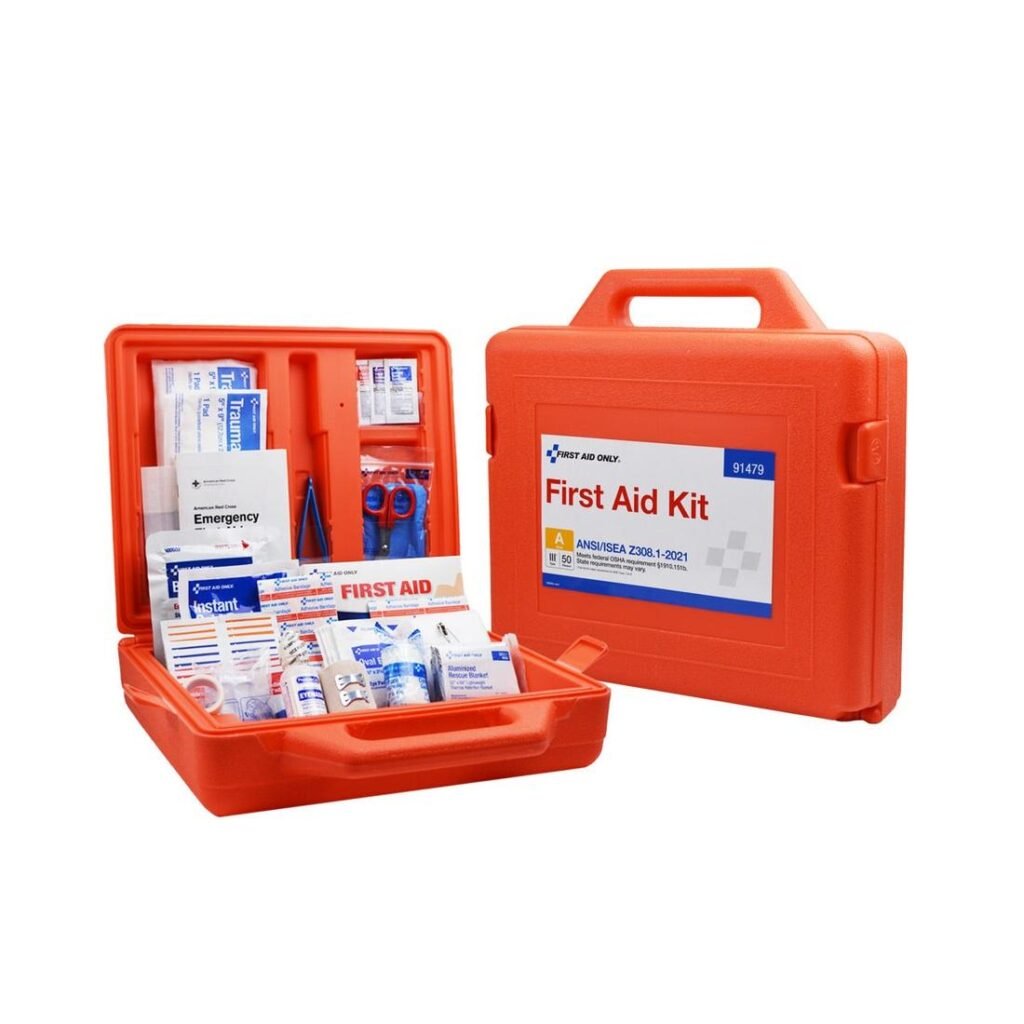
10. First Aid Only Outdoor First Aid Kit
A compact first aid kit for keeping essential medical supplies organized during road trips and camping trips. A useful addition to your vehicle emergency equipment.
2. How to Choose the Right Campsite
Having the right gear is only half the preparation. The campsite itself can determine whether your trip feels relaxing or frustrating.
Here are the things I would check before making a reservation.
1. Check the Location and Driving Distance
Don’t choose a campsite just because the pictures look beautiful.
Think about how long it will take to get there, whether the roads are suitable for your vehicle, and whether you’ll arrive before sunset.
For beginners, I recommend choosing a campground within a manageable driving distance.
A shorter first trip gives you more time to learn how your equipment works without turning the journey into another challenge.
2. Look for Flat and Well-Drained Ground
A flat tent area makes sleeping much more comfortable.
Avoid pitching your tent:
At the bottom of a slope where water may collect.
In obvious drainage channels.
Directly underneath dead or unstable branches.
On exposed ground with no protection from strong winds.
If rain is expected, pay particular attention to drainage and the surrounding terrain.
Never camp in dry riverbeds or areas that could experience flash flooding.
3. Check Available Facilities
Different campgrounds offer very different levels of convenience.
Before booking, check whether the site provides:
Drinking water.
Restrooms.
Showers.
Fire rings or grills.
Picnic tables.
Trash disposal.
Electricity.
Designated parking spaces.
If this is your first car camping trip, a developed campground with restrooms, water and clearly marked sites is usually a good starting point.
4. Understand the Parking and Tent Setup Area
Not every campsite allows you to park directly beside your tent.
Some campgrounds offer drive-in sites, while others require you to park in a separate area.
Check the campsite description carefully.
If you’re bringing several storage boxes, a cooler, chairs and a large tent, a site with convenient vehicle access can save considerable effort.
Also check vehicle length restrictions if you’re driving an SUV, van or RV.
5. Consider Shade, Wind and Privacy
A campsite can look perfect in photographs but feel very different when you arrive.
Look for:
Natural shade during hot weather.
Some protection from strong winds.
Reasonable distance from neighboring campers.
A comfortable outdoor cooking area.
Enough space to move around your tent.
Avoid placing your tent directly under large dead branches, even if the shade looks attractive.
6. Read Recent Reviews
I wouldn’t rely entirely on official campground photos.
Recent visitor reviews can reveal practical details such as road conditions, noise levels, restroom cleanliness, crowded weekends and maintenance problems.
Check more than one review source if possible.
It is also worth checking the campground’s official website for current closures, fire restrictions and reservation requirements.
3. Where to Find and Book Campsites
Here are several useful resources for planning a car camping trip in the United States.
Recreation.gov: Useful for reservations at many federal campgrounds and recreation areas.
ReserveAmerica: Offers campground reservations in participating state parks and other locations.
The Dyrt: Helpful for discovering campgrounds and reading camping reviews.
Hipcamp: Useful for finding private campsites, farm stays and less traditional camping locations.
Google Maps: Convenient for checking driving routes, nearby services and road access.
Before booking, always confirm the exact campsite rules, vehicle restrictions, arrival time and cancellation policy.
4. How I Would Organize a Car Camping Vehicle
Packing order matters more than most beginners realize.
Instead of throwing everything into the trunk, organize your vehicle according to when you’ll need each item.
Here’s a simple arrangement:
At the back of the trunk:
Tent and shelter.
Sleeping bags and sleeping pads.
Large storage boxes.
Easy-to-reach area:
Headlamps and lanterns.
Water bottles.
First-aid kit.
Rain jackets.
Snacks.
Separate kitchen section:
Stove and fuel.
Cookware.
Cooler.
Food storage.
Keep heavy items low and secure them so they cannot slide around during sudden braking.
Never block your rear visibility or compromise passenger safety just to fit more camping equipment.
5. A Simple Car Camping Packing Checklist
Before leaving home, use this checklist to make sure you haven’t forgotten anything important.
Shelter and Sleeping
- Tent and stakes
- Rainfly
- Sleeping bags
- Sleeping pads or air mattress
- Camping pillows
- Extra blankets
Cooking and Food
- Portable stove
- Compatible fuel
- Cookware
- Plates and utensils
- Drinking water
- Cooler
- Food and snacks
- Garbage bags
Lighting and Electronics
- Headlamp
- Camping lantern
- Flashlight
- Power bank
- Charging cables
- Spare batteries
Comfort and Organization
- Camping chairs
- Folding table
- Storage boxes
- Ground mat
- Towels
- Extra clothing
Safety
- First-aid kit
- Emergency blanket
- Tire inflator
- Basic tools
- Offline maps
- Personal medications
Before Leaving
- Confirm campground reservation
- Check weather forecast
- Check road conditions
- Review campground fire restrictions
- Fill the fuel tank
- Charge electronic devices
- Tell someone your travel plan
6. Common Car Camping Mistakes to Avoid
Even a relatively simple camping trip can become uncomfortable when you overlook a few details.
Packing too much equipment
You don’t need to bring your entire garage. Start with essential gear and add equipment based on what you actually use.
Arriving after dark
Setting up a tent in darkness is frustrating, especially when you’re unfamiliar with the campground. Try to arrive with enough daylight to inspect the site and organize your equipment.
Ignoring nighttime temperatures
Weather during the day can be completely different from conditions after sunset. Check overnight lows before choosing your sleeping bag.
Not testing equipment at home
Set up your tent before leaving. Check that your stove works, your lantern is charged, and your air mattress doesn’t leak.
Choosing a campsite without checking the rules
Some campgrounds have strict quiet hours, pet restrictions, fire bans and vehicle limitations. Read the rules before booking.
Forgetting to secure food
Food and scented items should be stored according to local wildlife regulations. Never leave food unattended or inside a tent.
7. Final Thoughts: Prepare Less, Enjoy More
Car camping doesn’t have to be complicated.
The goal isn’t to fill your vehicle with expensive equipment. It’s to build a setup that makes traveling, sleeping, cooking and relaxing outdoors easier.
If I were preparing for a first weekend car camping trip, I would prioritize five things:
A reliable tent with enough room.
A comfortable sleeping system.
A simple cooking setup.
Good lighting and organized storage.
A safe, well-maintained campsite with convenient facilities.
Once those basics are covered, everything else becomes easier.
Start with a short weekend trip, learn what works, and gradually improve your setup. You’ll probably discover that a few well-chosen pieces of equipment are far more useful than a trunk full of things you never touch.
The best car camping setup isn’t the most expensive one. It’s the one that lets you spend less time dealing with equipment and more time enjoying the outdoors.
Frequently Asked Questions
1. What equipment do I need for my first car camping trip?
Start with a tent, sleeping bag, sleeping pad, camping stove, basic cookware, lighting, water, food, camping chairs and a first-aid kit. Add optional equipment as you gain experience.
2. How much does a basic car camping setup cost?
A basic setup can cost a few hundred dollars, depending on the tent, sleeping system and cooking equipment you choose. You can save money by starting with essential gear rather than purchasing everything at once.
3. How do I choose a good campsite for car camping?
Look for convenient vehicle access, flat and well-drained ground, suitable weather protection, clean facilities and recent positive visitor reviews.
4. Is car camping suitable for beginners?
Yes. Car camping is one of the easiest ways to get started because you can bring more equipment, enjoy convenient facilities and avoid carrying everything on your back.
5. What should I pack in my car for an overnight camping trip?
At minimum, bring shelter, sleeping equipment, food, water, cooking supplies, lighting, extra clothing, safety equipment and a way to navigate without relying entirely on mobile coverage.
Affiliate Disclosure
Peakpulse may earn a commission when you purchase products through qualifying Amazon links on this website, at no additional cost to you. We only aim to recommend practical outdoor equipment that offers useful features and good value for campers.


