

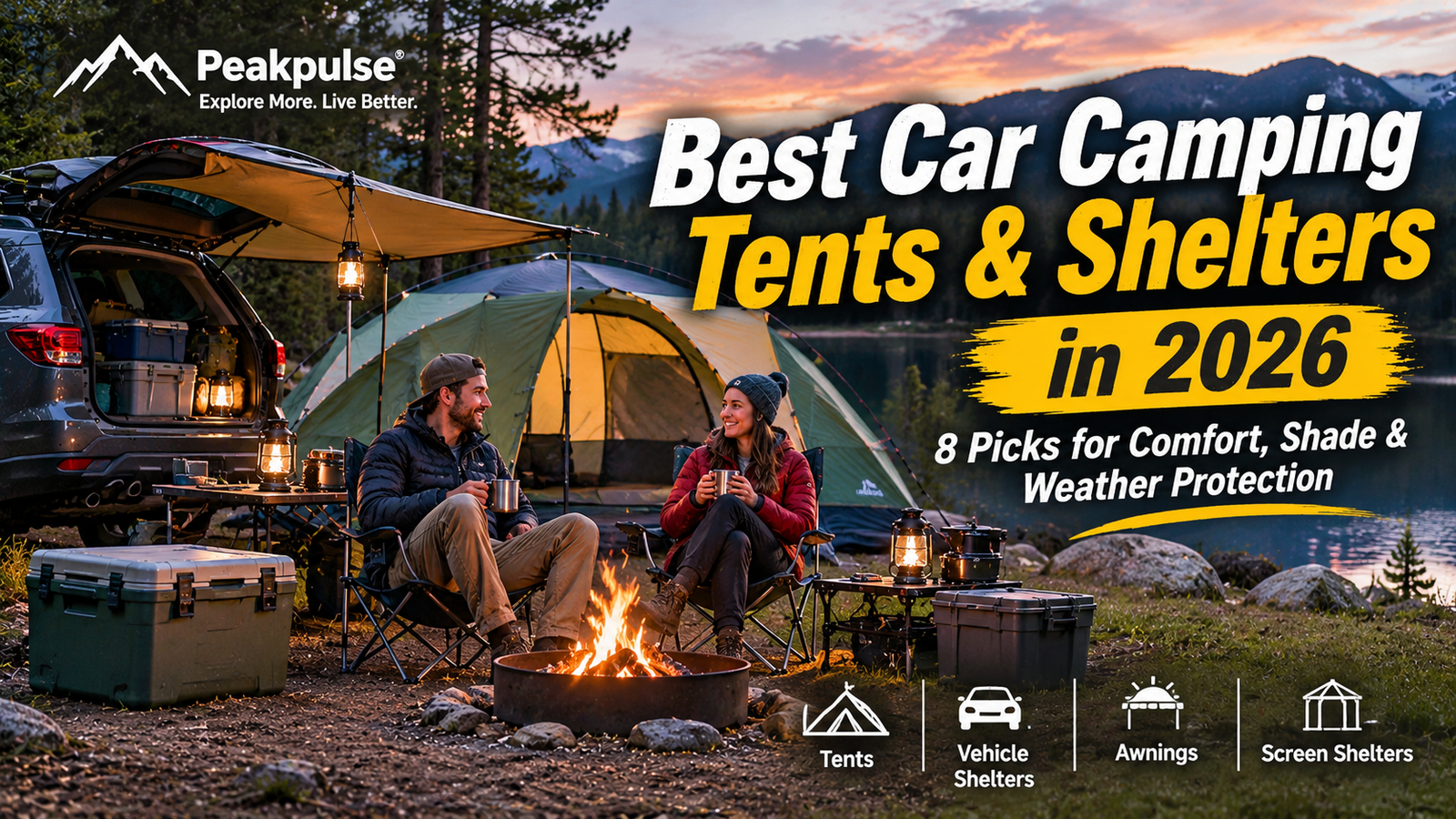
From Spacious Camping Tents to SUV Awnings and Screen Shelters — Build a Better Campsite
A good camping tent does more than give you somewhere to sleep. It determines how comfortable your entire campsite feels.
When I’m planning a car camping trip, I pay attention to more than just the number of people a tent can sleep. I want enough room to move around, somewhere to keep muddy shoes, decent ventilation, and protection when the weather changes.
And there’s another thing worth considering: the space outside the tent.
A simple tarp or canopy can turn an exposed campsite into a much more comfortable place to cook, eat, relax, and keep equipment dry. If you’re camping with family or spending several days in one location, an additional shelter can make a noticeable difference.
The challenge is choosing the right combination without filling the entire trunk with equipment.
In this guide, I’ll look at eight tent and shelter options worth considering for different types of car camping, from affordable family tents to vehicle-connected shelters and screened outdoor spaces.
Quick Picks: 8 Car Camping Tents & Shelters
| Product | Best for | Main advantage |
|---|---|---|
| Coleman Skydome 6 | Budget family camping | Practical everyday shelter |
| NEMO Aurora Highrise 4 | Overall comfort | Headroom and ventilation |
| CORE 6 Person Instant Cabin | Quick setup | Pre-attached pole system |
| Gazelle T4 Hub Tent | Fast campsite setup | Hub-style frame |
| The North Face Wawona 6 | Families and groups | Large vestibule |
| Kelty Caboose | Vehicle-based camping | Integrated vehicle awning |
| Kelty Sideroads Awning | Extra covered space | Attaches to a vehicle |
| CLAM Quick-Set Escape | Bug protection | Large screened gathering area |
Product specifications, availability, and prices can change. Check the current product listing before purchasing.
1. Coleman Skydome 6-Person Tent – A Practical Budget Choice
If you’re building your first car camping setup, I wouldn’t immediately spend several hundred dollars on a premium tent.
The Coleman Skydome is worth considering because it offers a straightforward shelter for weekend camping without making the initial investment too complicated.
It’s designed for relatively simple setup and has a range of sizes. The six-person version is worth considering for couples who want extra room or smaller families.
What I like about this type of tent:
Practical design for casual campground use.
Room for sleeping bags and basic equipment.
Straightforward setup compared with more complicated tent structures.
A good starting point for occasional camping.
What to consider: The advertised capacity is not the same as comfortable living space. If you’re traveling with children, pets, and luggage, don’t assume six people will fit comfortably.

Coleman 6-Person Skydome™ Camping Tent
A practical budget-friendly family tent with nearly vertical walls, a spacious interior, and Coleman WeatherTec protection. A good starting point for weekend car camping.
2. NEMO Aurora Highrise 4 – More Room to Move Around
A tent can look spacious in a product photo but feel very different once you’ve put two sleeping pads and your bags inside.
That’s why interior height and wall shape matter.
The NEMO Aurora Highrise 4 is an interesting choice for campers who want more comfortable living space. Its relatively tall ceiling and steep sidewalls help make the interior feel less cramped.
It also has two doors and vestibule areas, which are useful when two people need separate access.
Why consider it:
Tall interior for more comfortable movement.
Two-door design.
Useful vestibule space for outdoor equipment.
Ventilation-focused design.
Potential drawback: It’s more expensive than basic family tents, and its relatively large packed size makes it better suited to vehicle transport than backpacking.
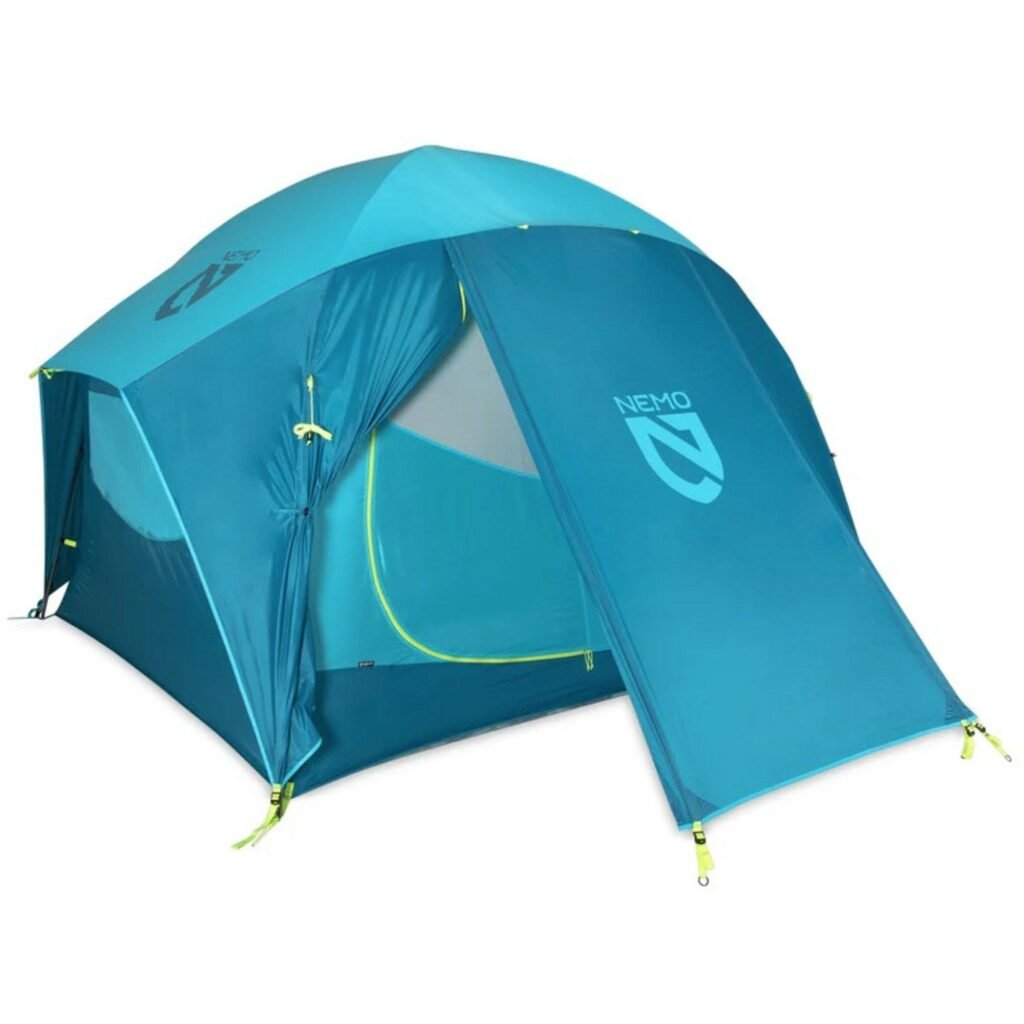
Nemo Aurora Highrise Tent 4-Person
A comfort-focused tent featuring steep sidewalls, generous headroom, and large windows. Ideal for campers who want more room to move around.
3. CORE 6-Person Instant Cabin Tent – When Setup Speed Matters
One thing that can make a camping trip frustrating is arriving late and spending too much time figuring out tent poles.
An instant cabin tent is worth considering if you prefer a simpler setup process.
The CORE 6-Person Instant Cabin Tent uses a pre-attached pole structure designed to reduce assembly time.
This can be particularly helpful for beginners or families who want to get the campsite ready before preparing dinner.
What makes it interesting:
Pre-attached pole system.
Cabin-style interior.
More convenient setup than many traditional pole tents.
Suitable for family campground trips.
What to consider: Instant tents can be bulky, and a quick setup does not automatically mean better wind resistance. Always stake and secure the tent properly.

6 Person Instant Cabin Tent
Pre-attached poles and an instant hub design make setup much easier. A convenient option for beginners and families who want to spend less time pitching their tent.
4. Gazelle T4 Hub Tent – Convenient for Frequent Campers
The Gazelle T4 uses a hub-style frame that makes it different from traditional dome tents.
Instead of assembling several separate poles, the hub structure is designed to expand into shape.
For someone who camps regularly and wants to reduce setup frustration, this style is worth looking at.
Reasons to consider it:
Hub-based setup design.
Roomy interior for a smaller camping group.
Large doors for easier access.
Useful option for frequent car camping.
Potential drawback: The packed frame is relatively bulky, so check the storage dimensions before purchasing.
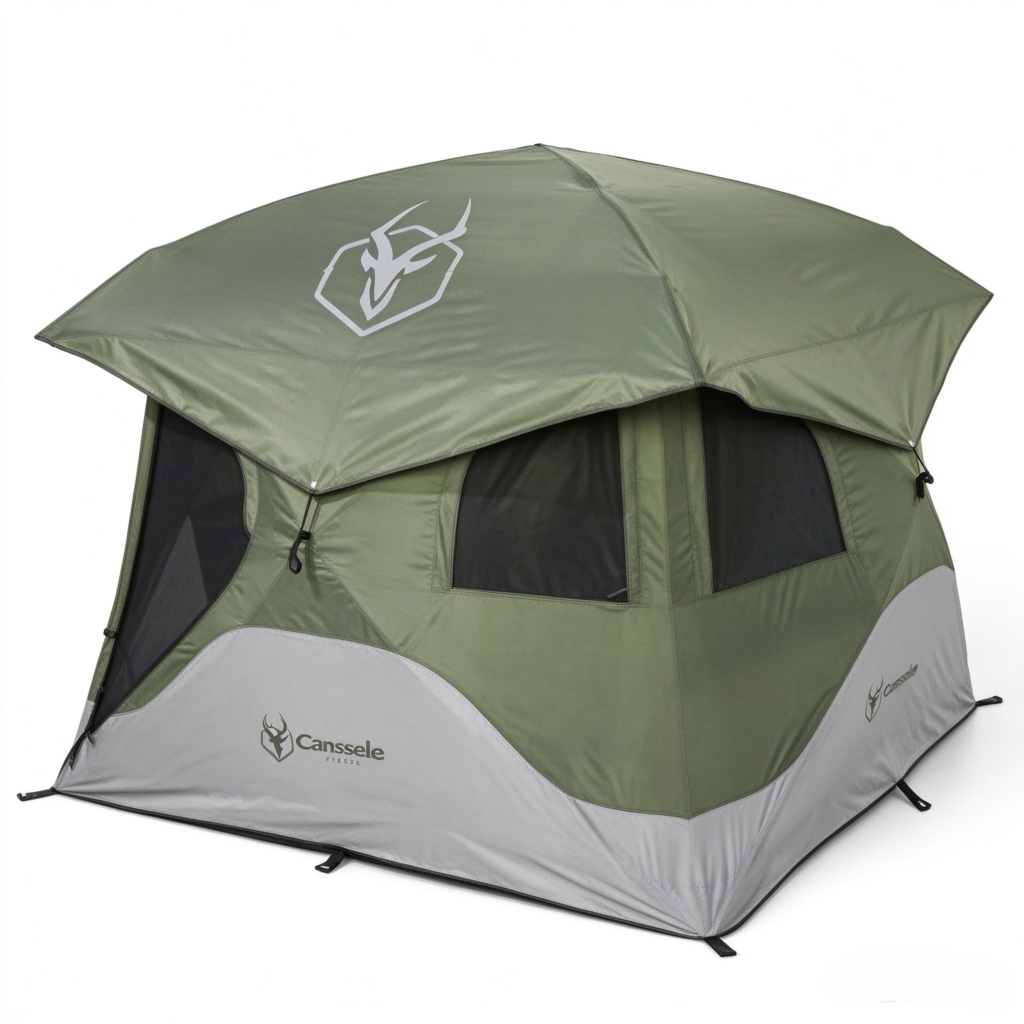
T4 Hub Tent
A hub-style camping tent designed for fast setup, with a spacious interior and standing-height design. Great for frequent car campers.
5. The North Face Wawona 6 – More Space for Families
If you’re camping with several people, a large sleeping area isn’t the only thing that matters.
You also need somewhere to leave muddy shoes, backpacks, and other equipment without bringing everything into the sleeping area.
The North Face Wawona 6 is worth considering because of its spacious design and large vestibule.
That covered entrance area is particularly useful when the weather is less predictable.
What stands out:
Generous interior space.
Large vestibule for equipment.
Useful design for family trips.
More separation between sleeping and outdoor gear.
Potential drawback: It’s a larger and more expensive tent than a basic weekend shelter.

Coleman Skydome Camping Tent
A spacious six-person tent with generous headroom, large windows, and a useful vestibule for storing camping equipment outside the sleeping area.
6. Kelty Caboose – A Tent Designed Around Your Vehicle
This is where car camping gets particularly interesting.
A vehicle-connected tent can make better use of the space around your SUV or hatchback.
The Kelty Caboose is designed with an integrated awning that connects to the rear of a compatible vehicle, creating a covered transition area.
This gives you somewhere to organize gear, relax, or shelter from direct sunlight.
Why it deserves attention:
Vehicle-connected shelter design.
Additional covered space.
Useful for SUV-based camping.
Can make the vehicle and campsite feel like one organized setup.
What to check: Vehicle compatibility, attachment dimensions, access to the rear hatch, and how the shelter performs in different weather conditions.

Caboose 4P Tent
Combines a freestanding camping tent with a vehicle-connected awning. A useful solution for SUV campers who want additional covered outdoor space.
7. Kelty Sideroads Awning – Extra Shade Beside Your Vehicle
Not every camping trip requires another full tent.
Sometimes all you need is a covered area beside the vehicle.
The Kelty Sideroads Awning is designed to attach to the side or rear of many vehicles, providing an additional sheltered space.
I’d consider this kind of product particularly useful for cooking, relaxing, or keeping equipment out of direct sunlight.
Useful features to look for:
Vehicle attachment system.
Adequate covered area.
Stable support structure.
Easy transport and storage.
Remember that vehicle compatibility and proper anchoring are important. Don’t assume every awning fits every SUV.
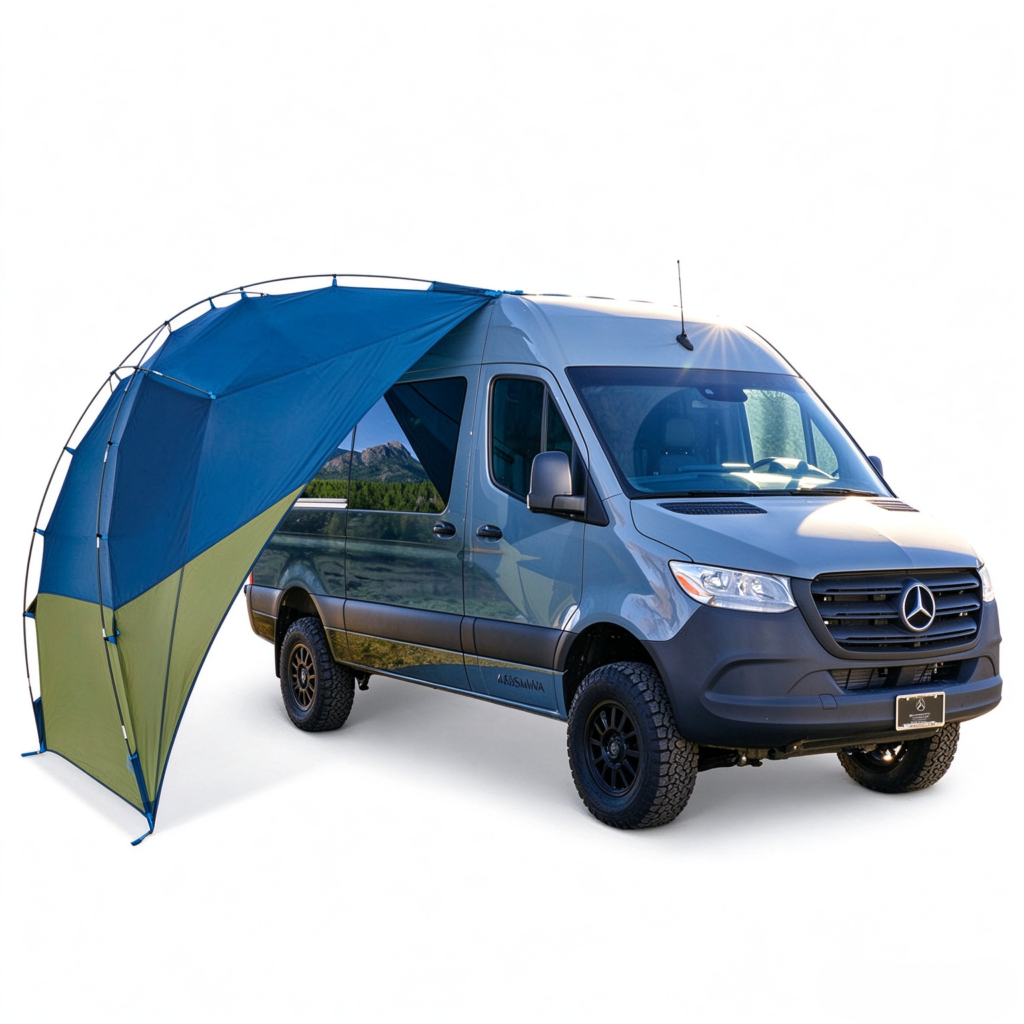
Sideroads Awning
Creates extra shade beside or behind your vehicle. A practical addition for outdoor cooking, relaxing, and keeping camping equipment protected from direct sunlight.
8. CLAM Quick-Set Escape – A Screen Shelter for Bug-Free Relaxation
If you’ve ever tried eating dinner outdoors while mosquitoes are constantly flying around, you’ll understand why screen shelters can be useful.
A screened shelter creates a separate gathering area where you can sit, eat, and relax while keeping many flying insects outside.
The CLAM Quick-Set Escape is a recognizable option in this category.
Its hub-style construction is designed for convenient setup, and the screened walls provide a more enclosed outdoor living space.
Why consider it:
Large screened gathering area.
Convenient hub-style setup.
Suitable for dining and relaxing.
Useful for family camping and buggy environments.
Potential drawback: It’s an additional piece of bulky equipment. Make sure you have enough room in your vehicle and campsite.
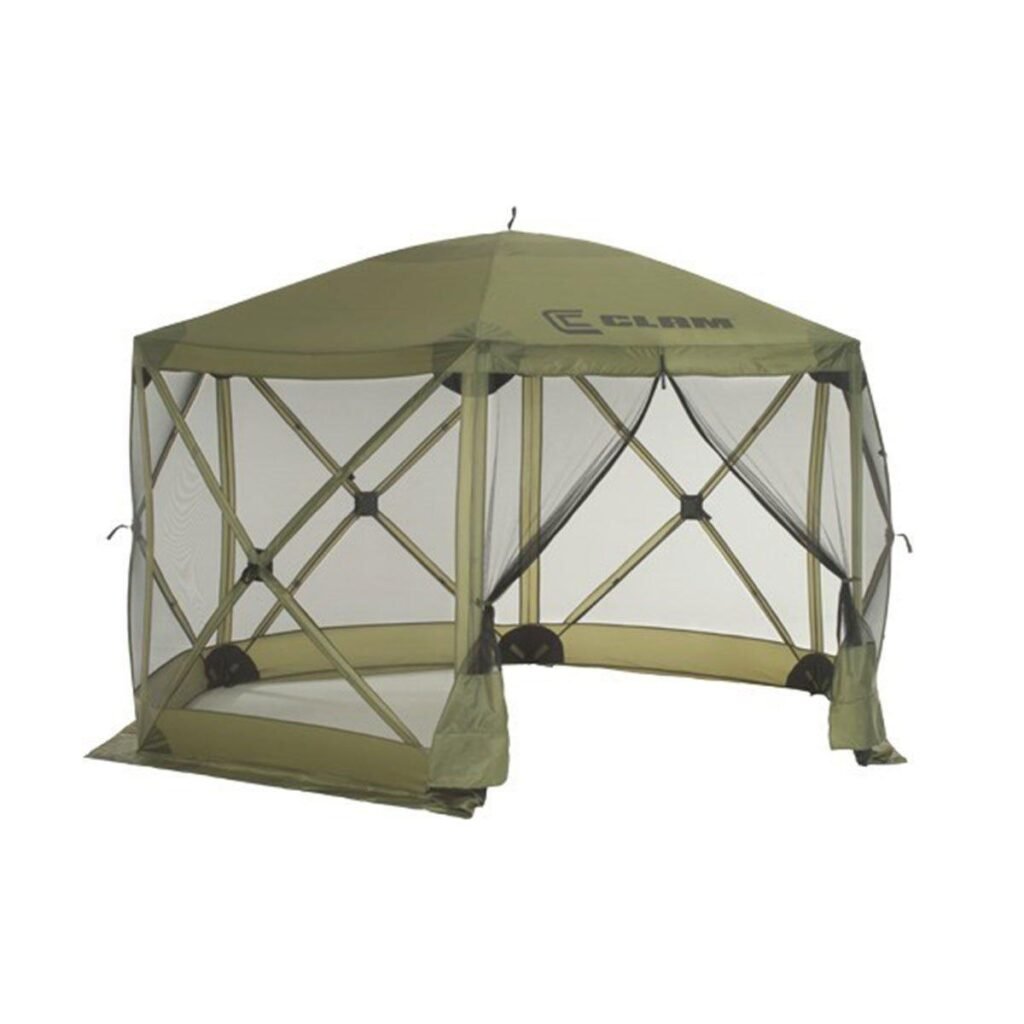
Quick-Set Escape Screen Shelter
A spacious screened shelter designed to keep many flying insects outside while providing a comfortable place for outdoor dining and relaxing.
Tent vs. Awning vs. Screen Shelter: Which One Do You Actually Need?
These products serve different purposes. Buying all three isn’t necessary for most campers.
| Shelter type | Main purpose | Best situation |
|---|---|---|
| Camping tent | Sleeping and overnight protection | Every overnight trip |
| Vehicle awning | Shade and rain cover | Cooking and relaxing beside the car |
| Screen shelter | Enclosed outdoor gathering space | Meals and insect protection |
| Tarp shelter | Flexible overhead cover | Lightweight shade and rain protection |
| Vehicle-connected tent | Combined vehicle and sleeping space | SUV camping and longer stays |
If you’re just starting out, I’d buy a reliable tent first. Add an awning or screen shelter later if you find yourself spending more time outdoors around the campsite.
What to Check Before Buying a Car Camping Tent
Before spending money, I’d compare these six things.
1. Actual Interior Space
Don’t rely entirely on the advertised person capacity.
Look at the floor dimensions, peak height, wall shape, and space available for sleeping equipment.
For two people, a four-person tent can offer useful extra room. Families may need to size up further.
2. Rain Protection
Check whether the tent includes a full-coverage rainfly, sealed seams, and a bathtub-style floor.
Also look for the manufacturer’s hydrostatic-head or waterproof rating where available.
A waterproof rating alone doesn’t guarantee good performance. Construction, seam sealing, fabric condition, and setup all matter.
3. Ventilation
Condensation can become a problem when warm, moist air inside the tent meets cooler surfaces.
Look for mesh windows, adjustable vents, and good airflow.
Keep ventilation openings usable even when it’s raining, where the design allows.
4. Setup and Take-Down
If you often arrive late, an instant or hub-style tent may be worth paying extra for.
But remember that larger tents can still require two people to position and secure properly.
5. Vestibule and Covered Storage
A vestibule is particularly useful for muddy boots, wet jackets, and backpacks.
It helps keep dirt and moisture away from your sleeping area.
6. Packed Size and Vehicle Space
Car camping gives you more freedom than backpacking, but trunk space is still limited.
Measure your vehicle’s cargo area before purchasing a large tent or shelter.
How I'd Build a Practical Tent and Shelter Setup
For a two-person weekend trip, I’d keep things simple:
One spacious two-to-four-person tent.
One properly sized groundsheet.
A tent footprint or suitable ground protection.
A small tarp or vehicle awning for shade.
A few adjustable guy lines and sturdy stakes.
A repair kit for poles and fabric.
For family camping, I’d consider adding a separate screen shelter if the campground has a lot of insects or if we planned to spend most of the day outside.
The important thing is to make each piece of equipment serve a clear purpose.
Common Tent and Shelter Mistakes to Avoid
Buying a tent based only on capacity
A six-person tent may not feel comfortable for six people with luggage. Check the floor dimensions first.
Assuming waterproof means stormproof
Rain protection and wind stability are different things. A tent needs suitable poles, anchoring, and a proper pitch to handle changing conditions.
Ignoring the campsite layout
A large tent and awning need enough space. Some campgrounds have restrictions on tent placement, awnings, and the use of stakes.
Forgetting ground protection
Sharp stones and rough ground can damage a tent floor over time. Clear the site and use compatible ground protection.
Leaving an awning unsecured
Canopies and awnings can catch wind like sails. Secure them properly and take them down when conditions become unsafe.
Packing a wet tent for too long
Dry your tent thoroughly after the trip to reduce mold, mildew, and fabric damage.
Final Thoughts: Choose Shelter Based on How You Camp
A good tent should make camping easier, not create another problem to manage.
If you’re on a budget, a Coleman Skydome is a sensible starting point. If comfort and headroom matter more, the NEMO Aurora Highrise deserves a closer look. For faster setup, consider CORE or Gazelle. If you want to make better use of your vehicle, explore the Kelty Caboose or Sideroads Awning.
And if you spend a lot of time eating and relaxing outdoors, a separate screen shelter can be a worthwhile addition.
My recommendation is to start with one reliable sleeping shelter, then add covered outdoor space only when your camping habits justify it.
You don’t need the biggest tent at the campground. You need the right shelter for the way you actually travel.
Frequently Asked Questions
1. What size tent is best for car camping?
For two people, a three- or four-person tent often provides more comfortable room. Families should consider a larger model based on the number of occupants and equipment.
2. Is an instant tent better for car camping?
It can be, especially if you value quick setup. However, compare packed dimensions, frame durability, ventilation, and weather protection before buying.
3. Do I need a separate canopy if I already have a tent?
Not necessarily. A tent provides sleeping shelter, while a canopy provides additional shade and covered outdoor living space. They solve different problems.
4. Are vehicle awnings compatible with every SUV?
No. Compatibility depends on the attachment system, vehicle shape, roof accessories, and mounting requirements. Check the manufacturer’s fit information before purchasing.
5. Is a screen tent waterproof?
Most screen shelters are primarily designed for insect protection and ventilation. Some include rain-resistant roofs, but they shouldn’t automatically be treated as full storm shelters.
6. How do I keep my tent dry during a rainy camping trip?
Use the rainfly correctly, seal the seams if required, select suitable ground, avoid placing the tent in low areas, and maintain ventilation. Follow the manufacturer’s instructions.
7. How should I store a camping tent after a trip?
Clean off dirt, dry the tent completely, store it in a cool and dry location, and avoid leaving it compressed for extended periods if the manufacturer recommends loose storage.
Affiliate Disclosure
Peakpulse may earn a commission when you purchase products through links in this article, at no additional cost to you. We aim to recommend practical outdoor gear that offers genuine value and makes camping more comfortable. As an Amazon Associate, we earn from qualifying purchases.


