

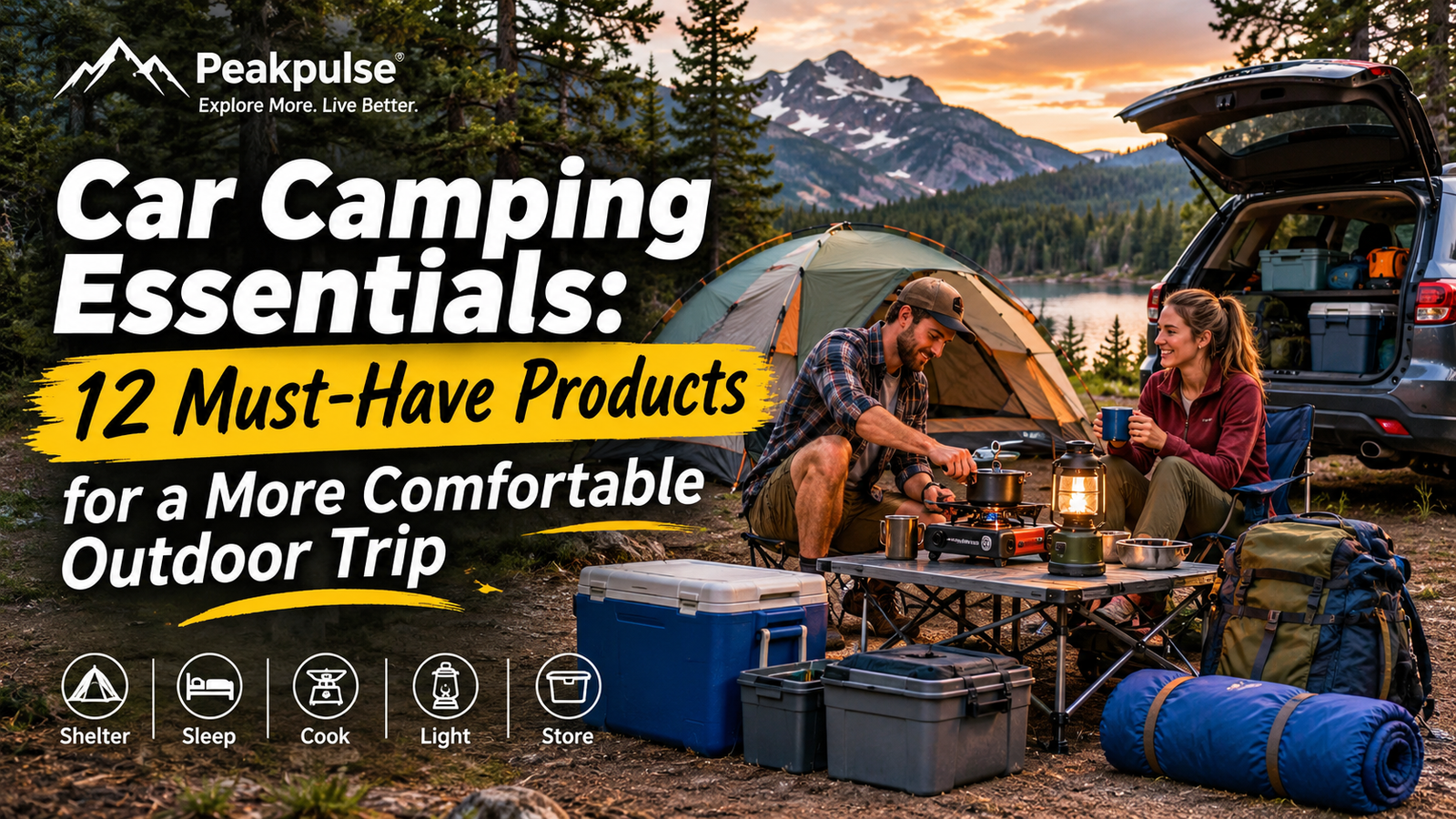
From Tents and Sleeping Gear to Storage Solutions — What’s Actually Worth Packing
Car camping gives you something that backpacking doesn’t: room to bring the gear that makes a trip more comfortable.
You don’t have to squeeze everything into a small backpack or sacrifice a decent night’s sleep to enjoy the outdoors. With your car nearby, you can bring a proper tent, a comfortable sleeping setup, cooking equipment, folding chairs, and enough storage to keep everything organized.
But there’s one problem I learned pretty quickly: having more room doesn’t mean you should bring everything.
It’s easy to fill your trunk with camping gadgets that look useful at home but barely get used once you arrive. Meanwhile, a few basic items can make a much bigger difference to the entire trip.
For this guide, I’m focusing on the gear I’d prioritize when putting together a practical car camping setup. We’ll cover shelter, sleeping comfort, campsite furniture, cooking, lighting, and storage — with an emphasis on products that are genuinely useful rather than unnecessary extras.
Quick Picks: The 12 Car Camping Essentials Worth Considering
| ategory | What to prioritize | Why it matters |
|---|---|---|
| 1. Tent | Spacious 2–4 person tent | Reliable shelter and room to move |
| 2. Tent footprint | Waterproof ground protection | Protects the tent floor |
| 3. Sleeping pad | Thick inflatable or self-inflating pad | Better sleep and insulation |
| 4. Sleeping bag | Temperature-appropriate sleeping bag | Keeps you comfortable overnight |
| 5. Camping pillow | Supportive compact pillow | Makes sleeping more comfortable |
| 6. Camping chair | Folding chair with a supportive back | Comfortable downtime |
| 7. Camping table | Stable folding table | Convenient food preparation |
| 8. Camping stove | Reliable portable stove | Easier outdoor cooking |
| 9. Cooler | Insulated food and drink cooler | Keeps food cold |
| 10. Lantern | Rechargeable LED lantern | Lights up the campsite |
| 11. Storage bins | Stackable or collapsible containers | Keeps equipment organized |
| 12. Gear organizer | Small bags and storage organizers | Makes frequently used items easier to find |
1. A Spacious Camping Tent: Your First Priority
The tent is where everything starts.
For car camping, I wouldn’t automatically choose the lightest tent available. Weight isn’t nearly as important when you’re driving directly to the campsite.
Instead, I’d look for enough interior space, straightforward setup, good ventilation, and reliable rain protection.
A two-person tent might work for two people sleeping closely together, but a three- or four-person model can make a noticeable difference if you want room for bags and other equipment.
What I’d look for:
Easy setup, preferably with color-coded poles.
A full rainfly and sealed seams.
Good ventilation to reduce condensation.
Enough interior height to sit up comfortably.
A vestibule for muddy shoes and extra gear.
Products worth considering:
Coleman Sundome Tent — a straightforward budget-friendly option.
CORE 4 Person Instant Cabin Tent — worth considering if quick setup and extra room matter more than compact packing.
Naturehike Cloud Up 2 — a lighter option for campers who also want to use their tent for occasional hiking trips.
My advice: Don’t buy a tent based only on its advertised sleeping capacity. Check the actual floor dimensions before ordering.
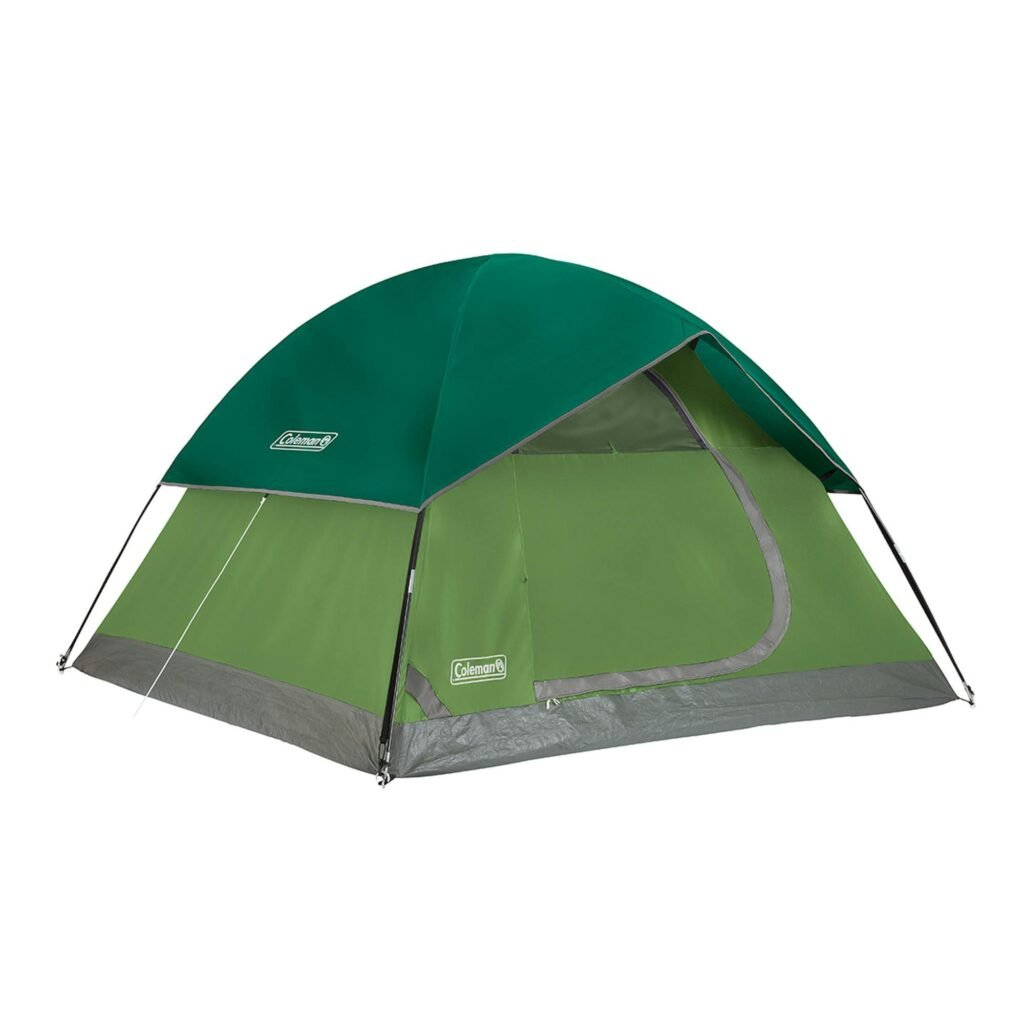
Coleman Sundome 4-Person Tent
A practical budget-friendly tent with straightforward setup, WeatherTec protection, and enough room for a comfortable weekend camping trip.
2. Tent Footprint: A Small Item That Protects Your Investment
A footprint isn’t the most exciting camping purchase, but it’s one I wouldn’t overlook.
Rocks, sticks, rough ground, and repeated use can gradually damage the bottom of a tent. A correctly sized groundsheet adds a protective layer between the tent floor and the ground.
It can also make packing up easier when the campsite is damp or muddy.
What I’d prioritize:
Correct dimensions for your tent.
Waterproof material.
Lightweight, easy-to-fold construction.
No excess material extending beyond the tent floor, where it could collect rainwater.
You don’t need an expensive option. A compatible footprint or appropriately sized groundsheet is usually enough.
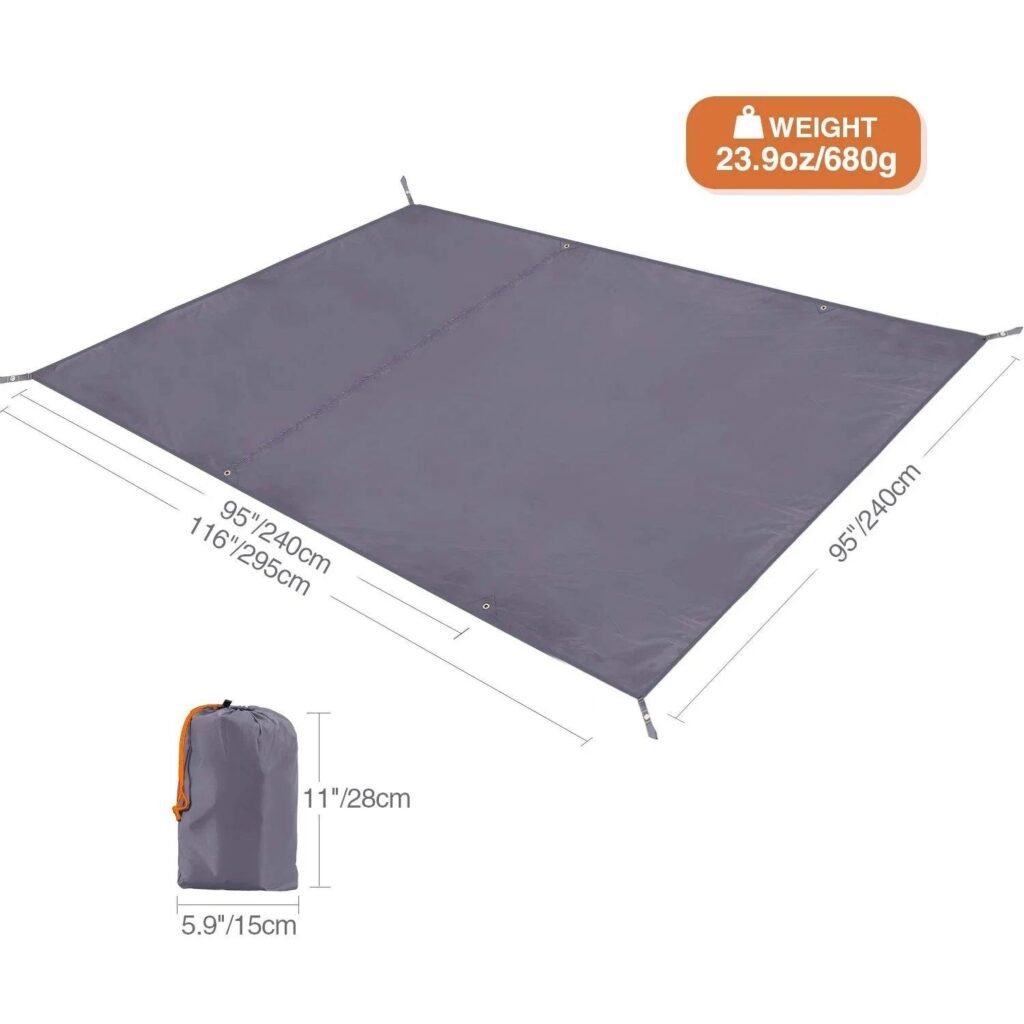
REDCAMP Waterproof Tent Footprint
Adds an extra layer of protection against moisture, dirt, and rough campsite surfaces. A simple accessory that helps protect your tent floor.
3. A Comfortable Sleeping Pad: Don't Underestimate It
If there’s one place where I’d spend a little extra money, it’s the sleeping setup.
I’ve found that a sleeping bag alone doesn’t solve the problem of sleeping on uneven ground. Even a warm sleeping bag can feel uncomfortable when there’s very little cushioning underneath you.
For car camping, a thicker inflatable or self-inflating sleeping pad is worth considering.
Unlike backpacking, you don’t have to worry as much about every ounce. That gives you more freedom to choose comfort.
Products worth considering:
Exped MegaMat — a premium option for campers who prioritize mattress-like comfort.
Trekology UL80 — a more budget-conscious inflatable option.
CORE 4 Season Insulated Sleeping Pad — an option to consider when additional insulation matters.
What to check before buying:
Thickness and actual sleeping dimensions.
Insulation and R-value for the temperatures you’ll encounter.
Inflation and deflation time.
Whether it fits comfortably inside your tent.
One practical tip: Inflate your sleeping pad at home before your trip. Discovering a slow leak at midnight is not a great camping experience.
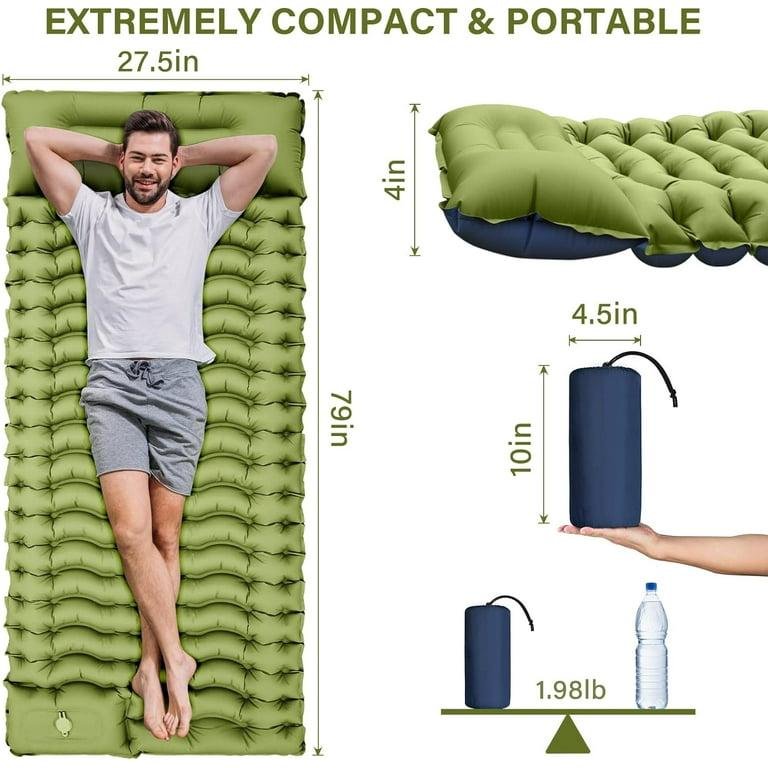
FUN PAC Inflatable Camping Sleeping Pad
A compact inflatable pad with a built-in foot pump. A budget-conscious choice for campers who want cushioning without carrying a bulky mattress.
4. A Sleeping Bag That Matches the Weather
A sleeping bag should be chosen according to the lowest temperatures you realistically expect during your trip.
A summer sleeping bag might be perfectly comfortable in warm weather but inadequate during a chilly mountain night.
For most three-season car camping trips, I’d start by comparing sleeping bags with suitable temperature ratings rather than simply choosing the thickest one.
Products worth considering:
Coleman sleeping bags — accessible options for casual and budget-conscious campers.
Kelty Cosmic series — worth comparing for campers looking for a more technical sleeping bag.
REI Co-op Siesta series — a roomier style worth considering for comfort-focused car camping.
Buying tips:
Check the comfort temperature rather than relying only on the lowest advertised limit.
Consider your sleeping position.
Look at the packed dimensions and cleaning instructions.
Bring an additional blanket if the forecast is uncertain.
A sleeping bag that’s too warm can also become uncomfortable. Match the bag to your destination and season.
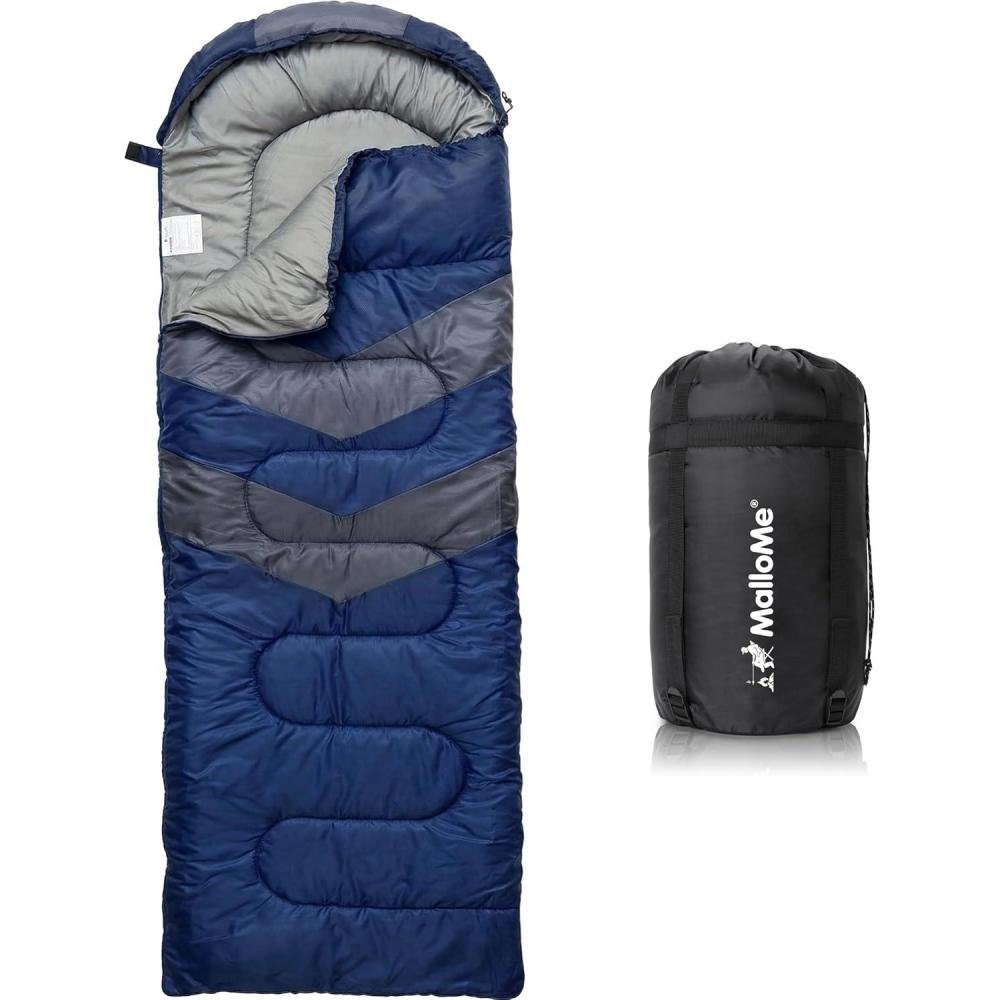
MalloMe Sleeping Bag for Adults
A budget-friendly sleeping bag for casual camping trips. Check its temperature suitability before choosing it for colder conditions.
5. A Proper Camping Pillow
This is one of those products people often leave until last.
I used to think an ordinary rolled-up jacket would be enough. It works in a pinch, but it doesn’t provide the same consistent support as a proper pillow.
For car camping, you can afford to choose something a little larger and more comfortable.
Products worth considering:
Klymit Drift Summit Camp Pillow.
NEMO Fillo.
Coop Travel & Camp Pillow.
Look for a removable or washable cover, adequate neck support, and a size that suits your sleeping position.
If you’re driving to the campsite, there’s little reason to sacrifice pillow comfort just to save a few inches of packing space.
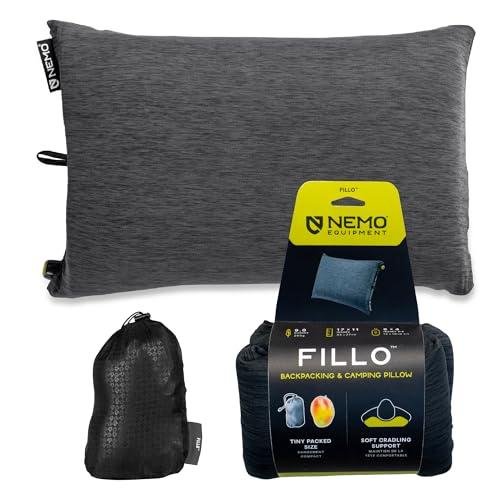
NEMO Fillo Camping Pillow
A comfort-focused camping pillow with an inflatable support structure and soft cushioning. A worthwhile upgrade for better sleep away from home.
6. A Folding Camping Chair: Essential for Enjoying the Campsite
A tent is important, but you probably won’t spend the entire trip inside it.
You’ll want somewhere comfortable to sit while having breakfast, reading, cooking, or enjoying the evening.
A decent folding chair is one of the most frequently used items at a campsite.
Products worth considering:
Coleman Cooler Quad Chair — a practical option with a built-in cooler.
Ozark Trail High Back Camping Chair — worth comparing for a more traditional folding-chair setup.
Helinox Chair One — a compact premium option.
What matters most:
Comfortable back support.
A sturdy frame.
A suitable weight capacity.
Easy folding and storage.
A carry bag if you need to move it frequently.
For car camping, I generally prefer a chair with a comfortable seat over an ultralight model that saves very little space in the trunk.
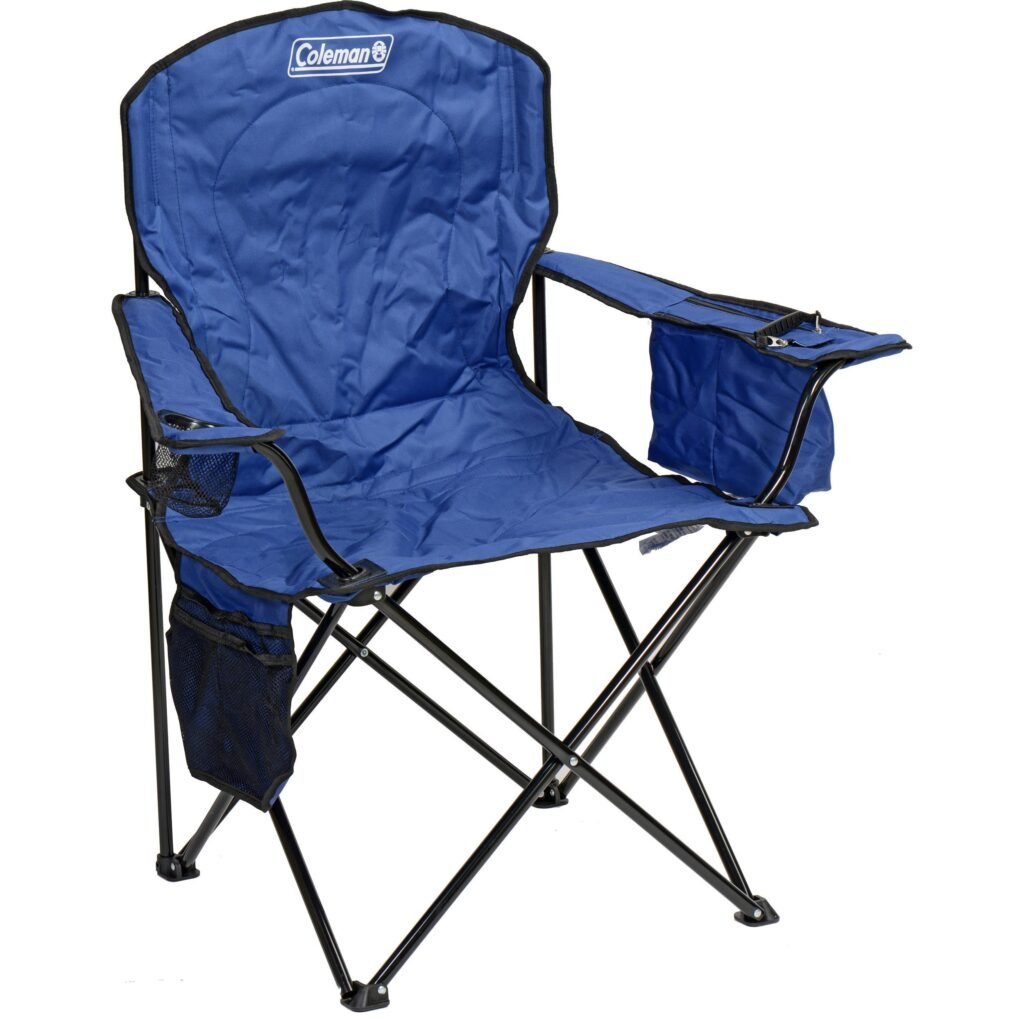
Coleman Cooler Quad Camping Chair
Features a built-in cooler, cup holder, and comfortable seat. A practical option for relaxing around the campsite.
7. A Folding Camping Table
A camping table makes more difference than you might expect.
Without one, food preparation, cooking equipment, drinks, and small accessories end up scattered across the picnic table or inside the vehicle.
A stable folding table creates a dedicated space for cooking and eating.
Products worth considering:
Coleman folding camping tables.
Ozark Trail Aluminum Camping Table.
Camco Aluminum Roll-Away Camping Table.
When comparing models, check the tabletop dimensions, maximum load capacity, stability on uneven ground, and folded size.
A small table is usually sufficient for two people. Families may prefer a larger surface or a separate cooking table.
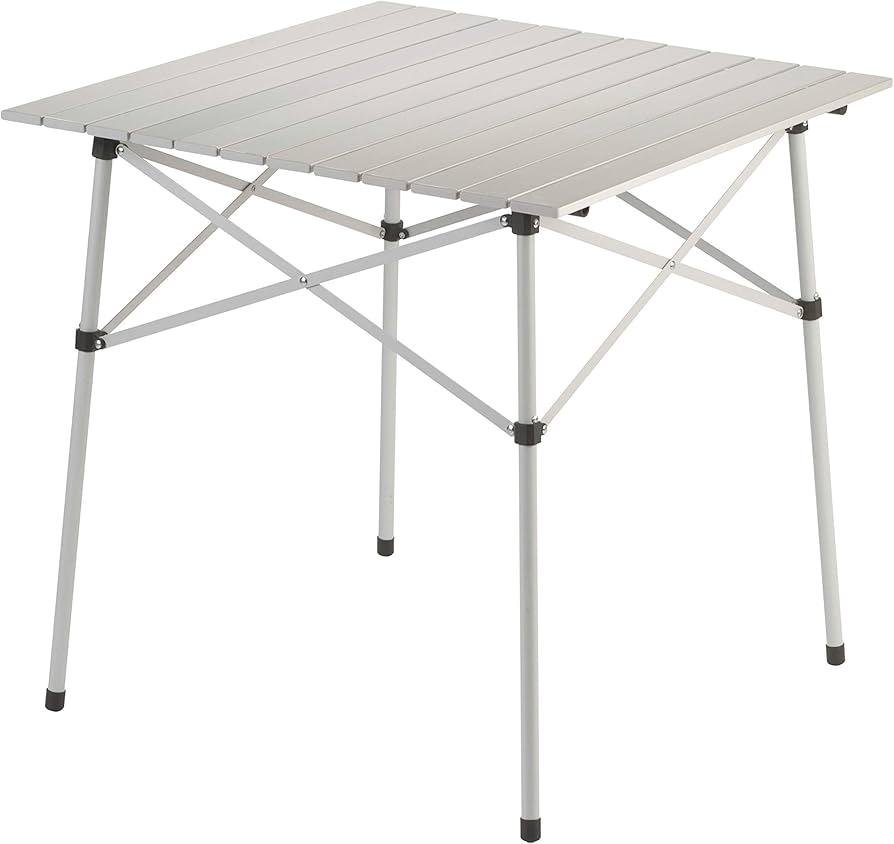
Coleman Folding Camping Table
Provides a convenient surface for food preparation, drinks, and everyday campsite essentials. Look for a stable frame and easy-folding design.
8. A Portable Camping Stove
Cooking outdoors should be convenient, not complicated.
For most car camping trips, a portable propane stove is a sensible starting point. A simple single-burner model works for basic meals, while a two-burner stove gives you more flexibility.
Products worth considering:
Coleman Classic Propane Stove.
Coleman Cascade series.
Gas One portable camping stove.
I’d focus on reliable ignition, flame adjustment, wind protection, and fuel availability.
Before leaving, check that you have the correct fuel canisters or propane cylinders. Never use a camping stove inside a closed tent or vehicle.
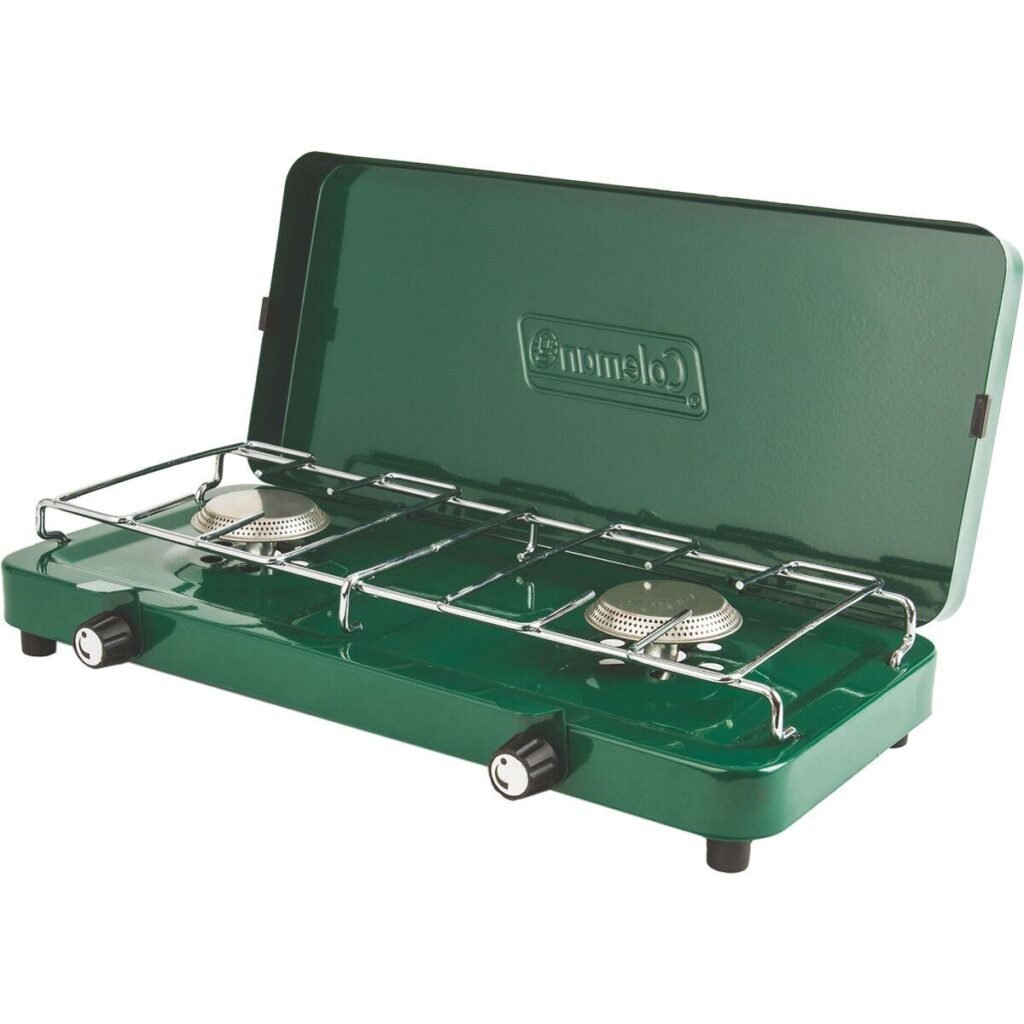
Coleman Classic 2-Burner Propane Stove
A practical choice for cooking full meals outdoors. Two burners make it easier to prepare different dishes at the same time.
9. A Quality Cooler for Food and Drinks
A cooler is particularly useful for weekend trips, family camping, and longer drives.
It helps keep drinks cold and allows you to bring fresh ingredients rather than relying entirely on packaged food.
Products worth considering:
Coleman Classic Series Cooler — a budget-friendly starting point.
Igloo BMX Cooler — worth comparing for a more rugged design.
YETI Tundra Series — a premium option for campers who want stronger insulation and durability.
The right size depends on how many people are traveling and how many days you’ll be away.
A practical tip: Pre-chill your cooler before packing it. Use frozen water bottles or ice packs, and keep the lid closed whenever possible.
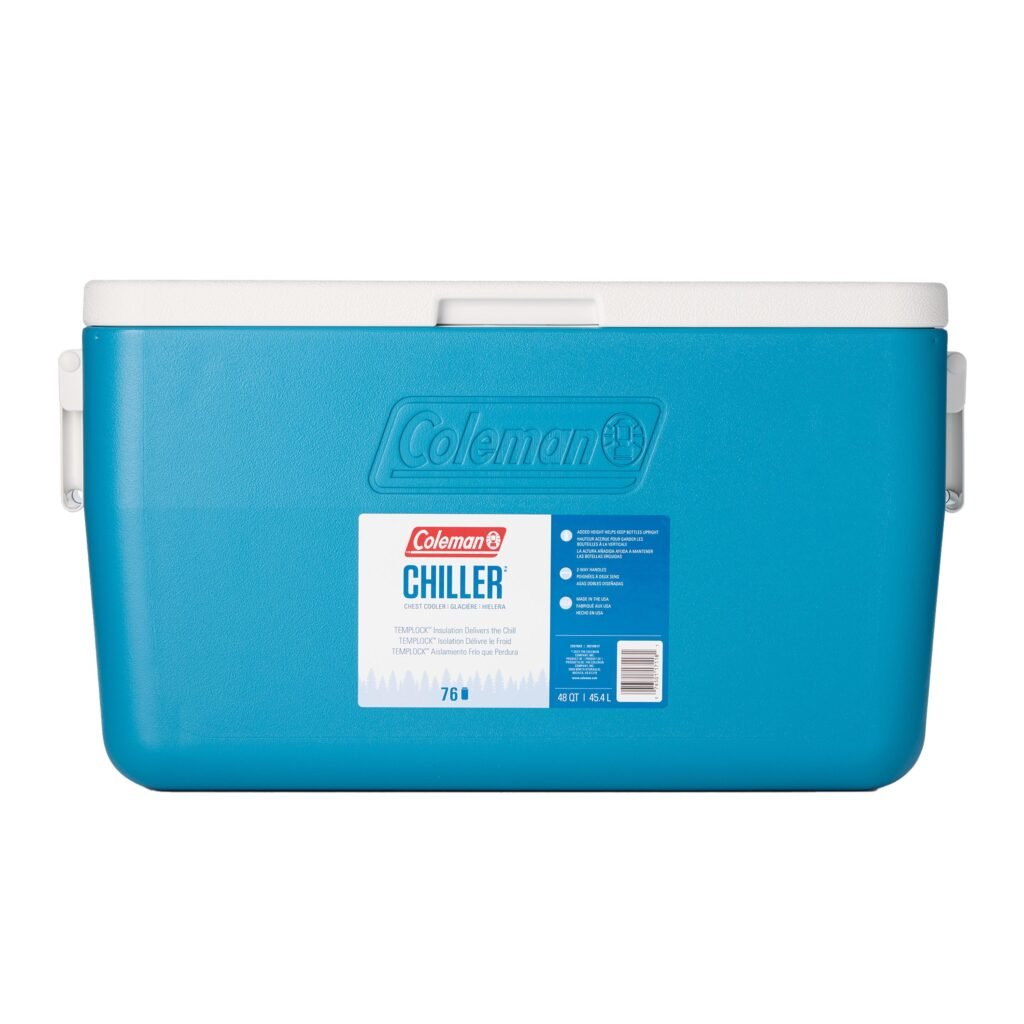
Coleman Chiller Hard Cooler
Keeps drinks and food cold during weekend trips. Choose a capacity that matches your group size and the length of your trip.
10. A Rechargeable Camping Lantern
Once the sun goes down, lighting becomes one of the most important parts of campsite comfort.
A lantern provides general lighting around your tent or cooking area, while a headlamp is better for hands-free tasks.
I’d bring both rather than expecting one light to do everything.
Products worth considering:
Coleman LED Lantern.
LE Rechargeable Camping Lantern.
Goal Zero Lighthouse series.
Look for adjustable brightness, useful battery life, convenient charging, and a stable base or hanging hook.
Remember to bring a backup light source, especially if you’re camping somewhere without electricity.
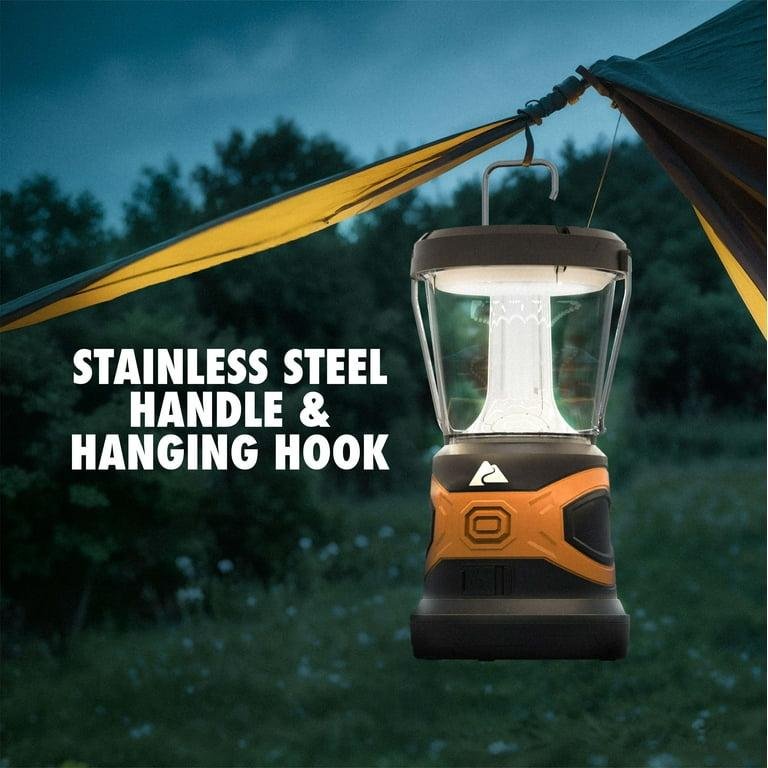
LE Rechargeable LED Camping Lantern
Provides convenient general lighting around the tent and cooking area. Adjustable brightness and rechargeable power make it useful for weekend camping.
11. Storage Bins: The Secret to a More Organized Car Camping Trip
This is probably one of the most underrated parts of car camping.
When everything is thrown into the trunk, finding one small item can become surprisingly frustrating.
You might have to move chairs, sleeping bags, cooking equipment, and several other bags just to find a flashlight or a packet of batteries.
Storage bins solve much of this problem.
I prefer dividing equipment into a few categories instead of putting everything into one giant container.
A practical storage system:
Kitchen bin: cookware, plates, utensils, dish soap, and cooking accessories.
Sleeping gear bin: pillows, sleeping bags, blankets, and extra bedding.
Lighting and tools bin: lanterns, headlamps, batteries, repair supplies, and cords.
Personal essentials bin: toiletries, towels, sunscreen, and insect repellent.
Products worth considering:
Sterilite stackable storage containers.
IRIS USA heavy-duty storage bins.
Plano storage containers.
Choose containers that fit your trunk dimensions and are easy to access. Transparent lids can also make it easier to identify what’s inside.
My biggest recommendation: Keep frequently used equipment in the most accessible part of your vehicle.
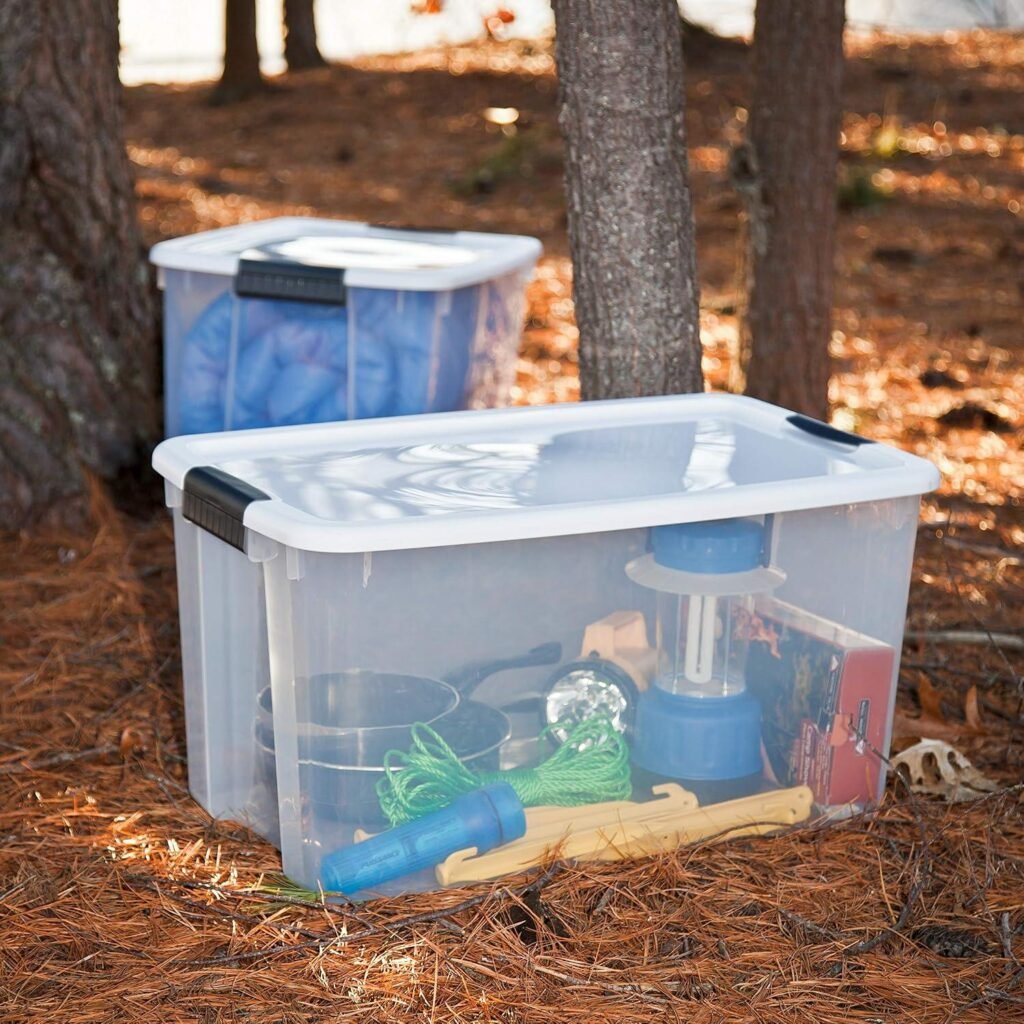
IRIS USA Stackable Storage Bins
Great for separating kitchen equipment, sleeping gear, and smaller accessories. Stackable containers help make better use of trunk space.
12. Small Gear Organizers: Make the Whole Setup Easier
Storage bins handle the bigger equipment, but smaller accessories need their own organization.
Things like charging cables, lighters, batteries, cutlery, repair tape, and personal items can easily disappear inside a large container.
A few smaller organizers make the entire system more manageable.
Useful options include:
Packing cubes for clothing and bedding.
Small zippered pouches for cables and electronics.
Hanging organizers for toiletries.
Mesh bags for kitchen accessories.
A dedicated first-aid pouch.
You don’t need to buy a specialized organizer for every item. Some inexpensive zippered bags can do the job just as well.
The goal is simple: Give everything a designated place so you know where to find it.
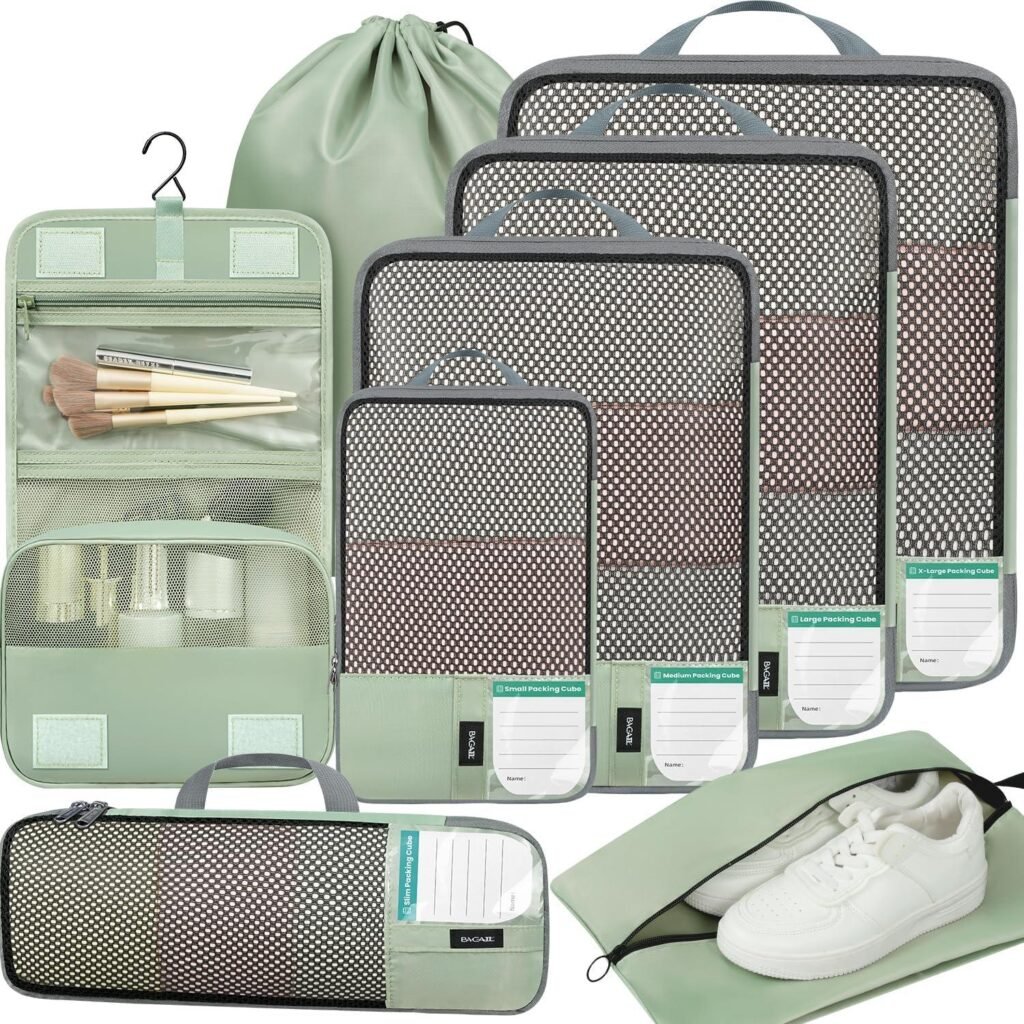
BAGAIL Packing Cubes Organizer Set
Helps organize clothes, towels, cables, and smaller camping accessories. A simple way to reduce clutter and make packing easier.
How I'd Pack the Car for a Weekend Camping Trip
Buying good gear is only half the job. Packing it properly makes a big difference when you arrive.
I’d organize the vehicle in the following order:
At the bottom or toward the back:
Storage bins containing heavier equipment.
Folding table and chairs.
Cooler, secured so it cannot slide around.
In the middle:
Tent and footprint.
Sleeping pads and sleeping bags.
Cooking equipment.
Easy-to-reach area:
Lantern and headlamp.
First-aid kit.
Drinking water.
Rain jackets.
Personal essentials.
Keep emergency equipment accessible, and secure heavy items so they cannot move around during sudden braking.
What I'd Buy First: A Practical Car Camping Priority List
You don’t need to purchase all 12 categories at once.
If you’re starting from scratch, I’d buy equipment in this order:
| Priority | Equipment | Reason |
|---|---|---|
| 1 | Tent | Basic shelter |
| 2 | Sleeping pad | Better sleep |
| 3 | Sleeping bag | Overnight warmth |
| 4 | Cooler | Food storage |
| 5 | Camping chairs | Everyday comfort |
| 6 | Lantern and headlamp | Nighttime visibility |
| 7 | Storage bins | Better organization |
| 8 | Camping stove | Convenient meals |
| 9 | Folding table | Easier cooking and dining |
| 10 | Camping pillow | Extra sleeping comfort |
| 11 | Tent footprint | Additional floor protection |
| 12 | Small organizers | Less clutter |
This order can change depending on what you already own, the weather, and whether your campsite provides picnic tables, fire rings, or other facilities.
Common Car Camping Mistakes Worth Avoiding
After putting together a camping setup, there are a few mistakes I’d try to avoid.
1. Buying an oversized tent without checking the dimensions.
A tent advertised for four people doesn’t necessarily provide comfortable space for four adults and their equipment.
2. Spending too little on sleeping comfort.
A cheap sleeping pad can turn an otherwise enjoyable trip into a miserable night.
3. Bringing too many loose items.
More equipment doesn’t automatically mean more comfort. Without an organization system, your vehicle quickly becomes cluttered.
4. Forgetting about weather protection.
Even if the forecast looks good, pack suitable rain protection and extra layers.
5. Not testing equipment before departure.
Set up the tent, inflate the sleeping pad, check the lantern, and test the stove at home.
It’s much easier to fix a problem in your driveway than at a remote campsite.
Final Thoughts: Build a Setup That Makes You Want to Camp More Often
The best car camping setup isn’t necessarily the most expensive one.
It’s the setup that allows you to arrive, unpack without frustration, sleep comfortably, prepare a decent meal, and enjoy your time outdoors.
If I were starting over, I’d put most of my budget toward three things: a reliable tent, a comfortable sleeping system, and a simple storage setup.
Everything else can be added gradually as you discover what you actually use.
Don’t buy gear simply because it looks impressive in a product photo. Think about where you’ll camp, how often you’ll go, how much space your vehicle has, and what will make the next trip easier.
That’s a much better way to build a car camping kit that earns its place in your trunk.
Frequently Asked Questions
1. What are the most important car camping essentials?
A tent, sleeping pad, sleeping bag, lighting, food storage, drinking water, and basic cooking equipment are the main essentials for most traditional car camping trips.
2. What is the difference between car camping and backpacking?
Car camping allows you to transport equipment directly to your campsite by vehicle. Backpacking requires you to carry everything, so weight and packed size become much more important.
3. How much should I spend on car camping gear?
It depends on how frequently you camp. Beginners can start with reliable budget equipment and gradually upgrade the items that have the biggest impact on comfort, especially their tent and sleeping system.
4. Are storage bins worth buying for car camping?
Yes. They help separate kitchen equipment, sleeping gear, tools, and personal items. This makes packing, unloading, and finding equipment much easier.
5. Do I need a camping table and chairs?
They aren’t essential if your campground provides picnic tables, but having your own folding furniture gives you more flexibility and comfort.
6. What should I test before a camping trip?
Set up your tent, inspect the rainfly, inflate your sleeping pad, test your lights, check your stove and fuel, and make sure your storage containers fit inside your vehicle.
Affiliate Disclosure
Peakpulse may earn a commission when you purchase products through links in this article, at no additional cost to you. We aim to recommend practical outdoor gear that offers genuine value and makes camping more comfortable. As an Amazon Associate, we earn from qualifying purchases.


