Everything I actually bring for a comfortable car camping weekend — without packing the entire house
There’s a funny thing about car camping.
Because you have a vehicle, you start thinking you can bring everything.
A bigger cooler? Sure.
Extra blankets? Why not.
Another chair? Might as well.
A box full of cooking gear that you probably won’t use? Throw it in the trunk.
I’ve done it.
And after a few trips, I realized that having more space in the car doesn’t necessarily make camping easier. In fact, a badly organized car can make a simple weekend trip surprisingly annoying.
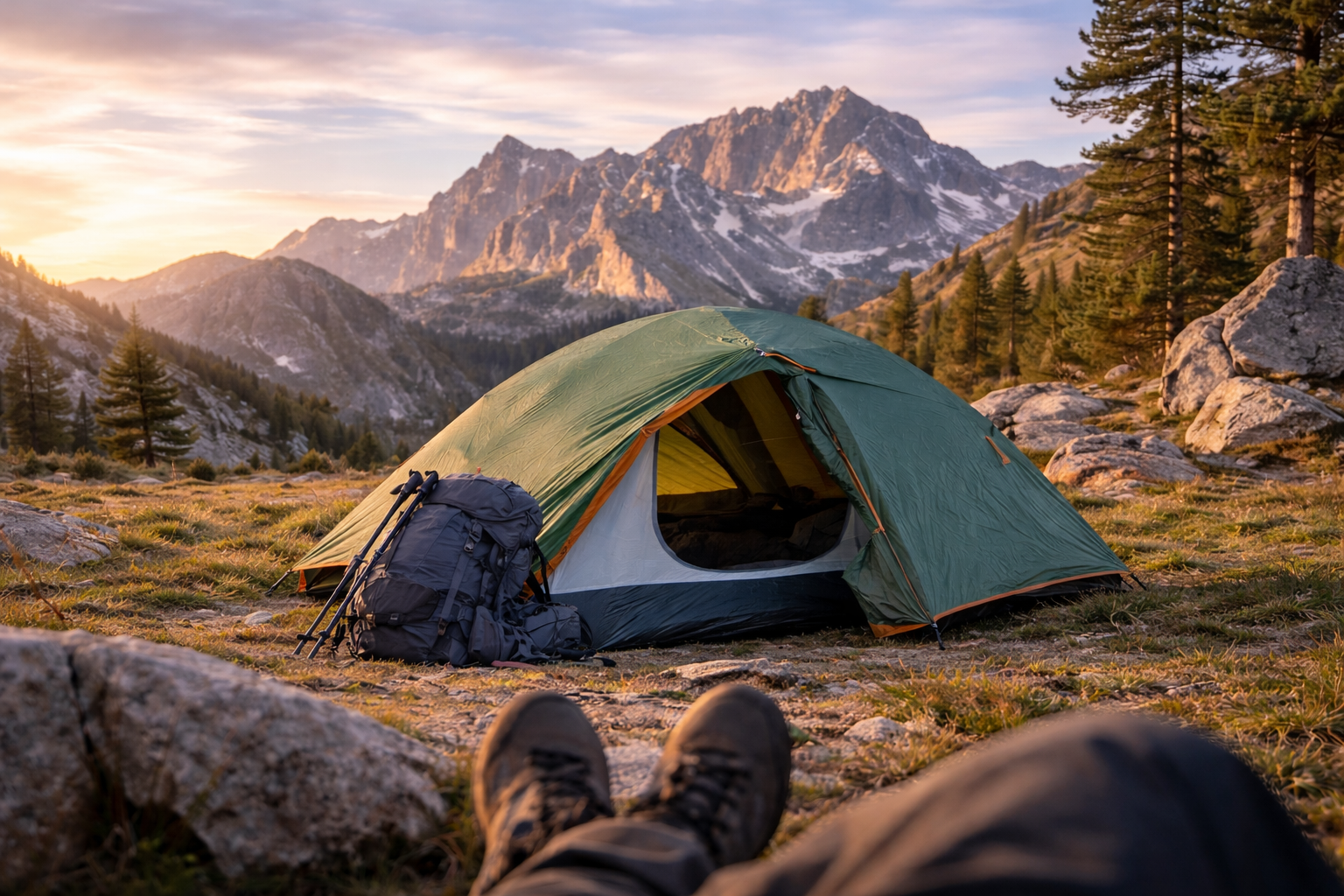
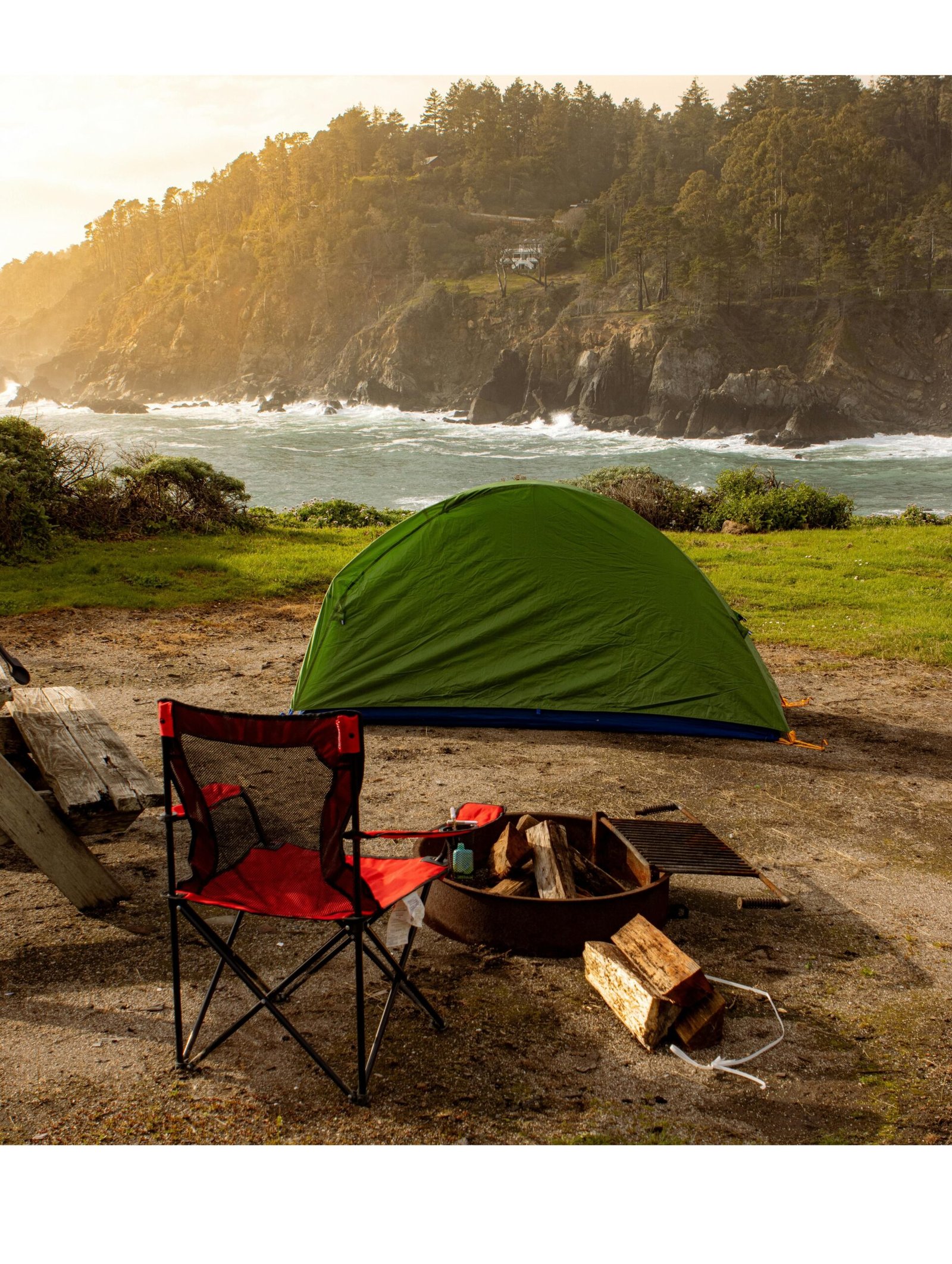
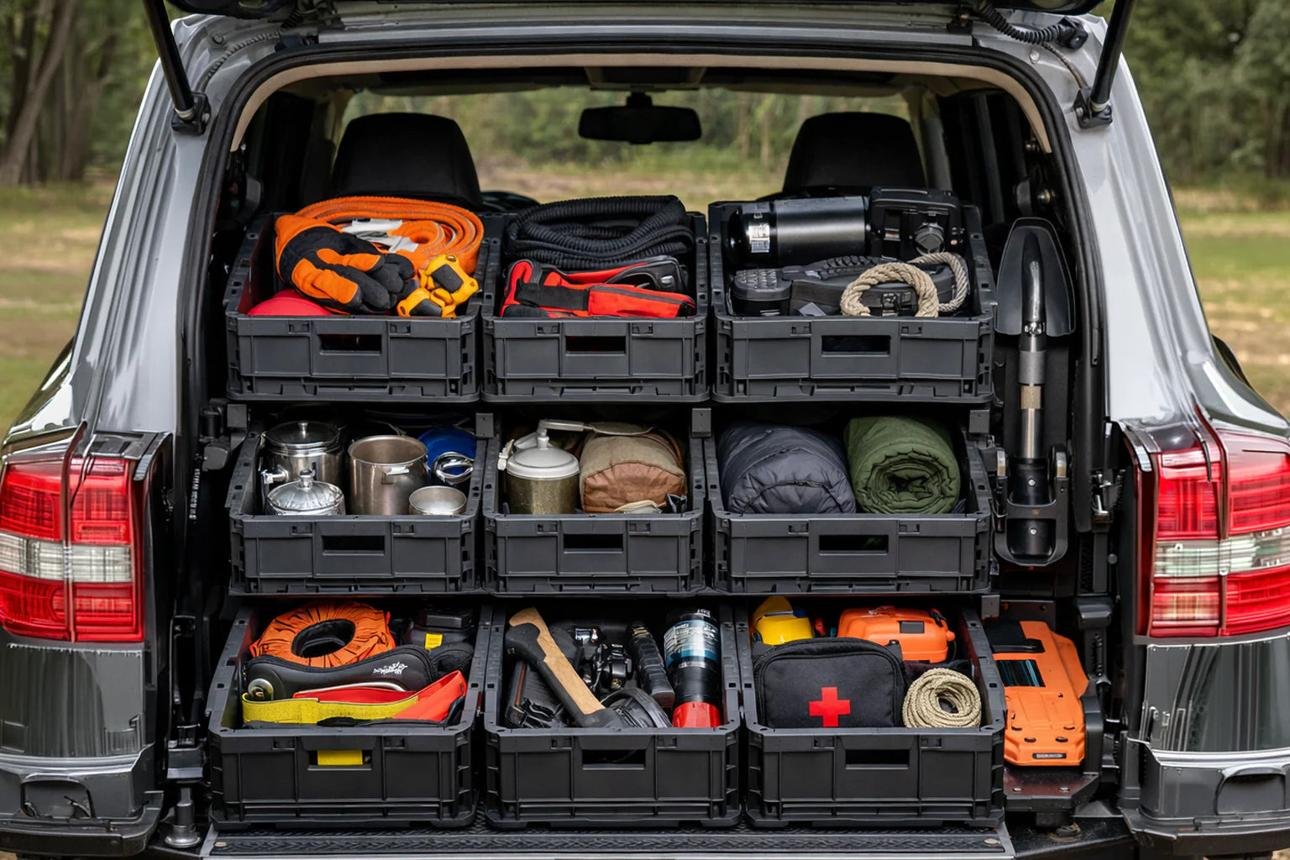
The setup in the photo above is pretty close to the kind of camping arrangement I like now: simple shelter, comfortable sleeping gear, basic cooking equipment, decent lighting, food and water, and enough organization that I can actually find things when I need them.
This is what I’ve learned from actually spending time at campsites rather than just making a giant “must-have camping gear” list.
What Do You Really Need for Car Camping?
If you’re new to car camping, you don’t need twenty different gadgets.
I’d break the essentials into these ten categories:
- Shelter
- Sleep system
- Food and water
- Cooking gear
- Comfort
- Clothing
- Lighting
- Safety
- Storage
- Cleanup
The important part is figuring out what you personally need in each category.
For example, my setup for a summer weekend near a campground is completely different from what I would pack for a cold-weather trip.
So don’t treat this as a checklist where you have to buy everything.
Think of it as a starting point.
1. Shelter Comes First
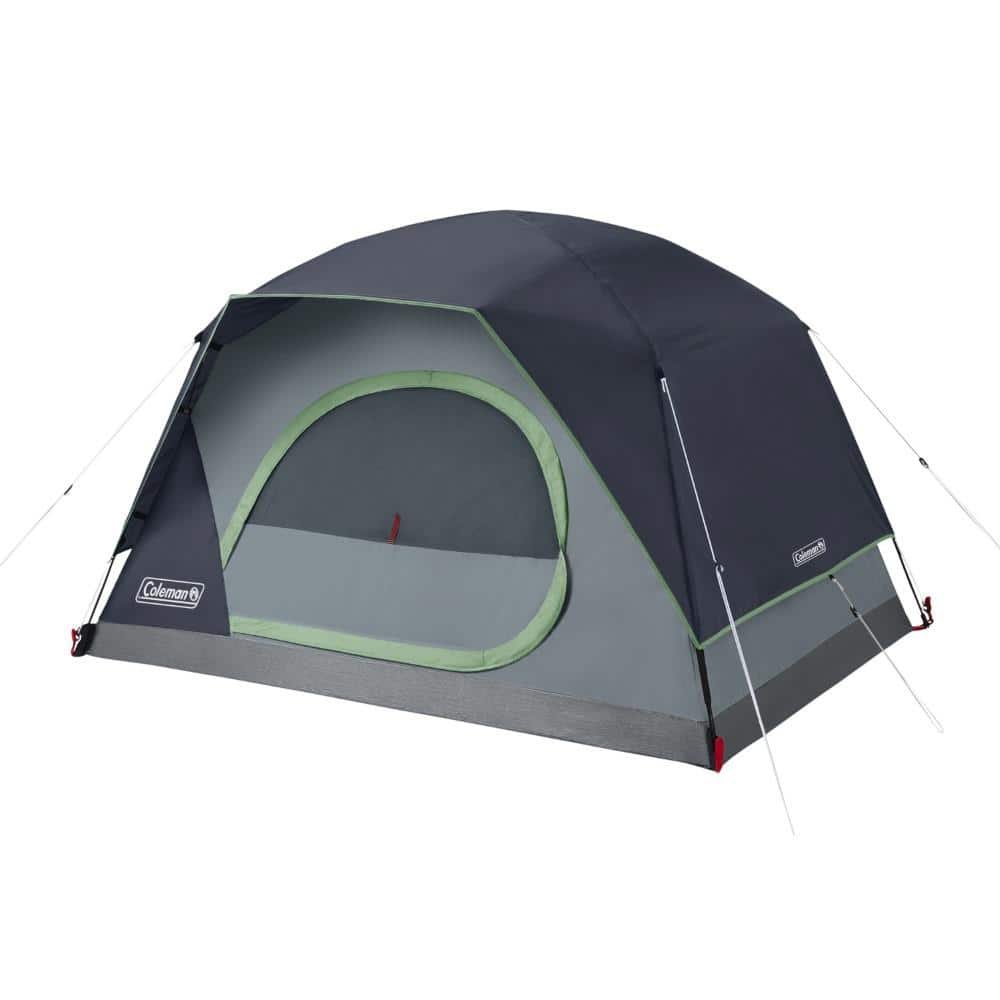
Your tent is basically your home for the weekend.
I’ve learned not to obsess over having the lightest tent possible when I’m car camping. Since I’m not carrying it several miles on my back, I’ll happily take a little extra weight if it gives me more room and makes setup easier.
For two people, I usually prefer a tent that’s actually rated for two or three people rather than trying to squeeze two adults into the smallest possible shelter.
That extra room is useful for:
- Bags
- Shoes
- Clothes
- Camping gear
- Getting changed when the weather turns bad
And there’s another thing I pay much more attention to now:
Ventilation.
A tent can be waterproof and still feel miserable if there’s nowhere for moisture to escape.
On one trip, I woke up to condensation all over the inside of the tent. It hadn’t even rained.
The problem wasn’t a leaking tent. It was poor airflow.
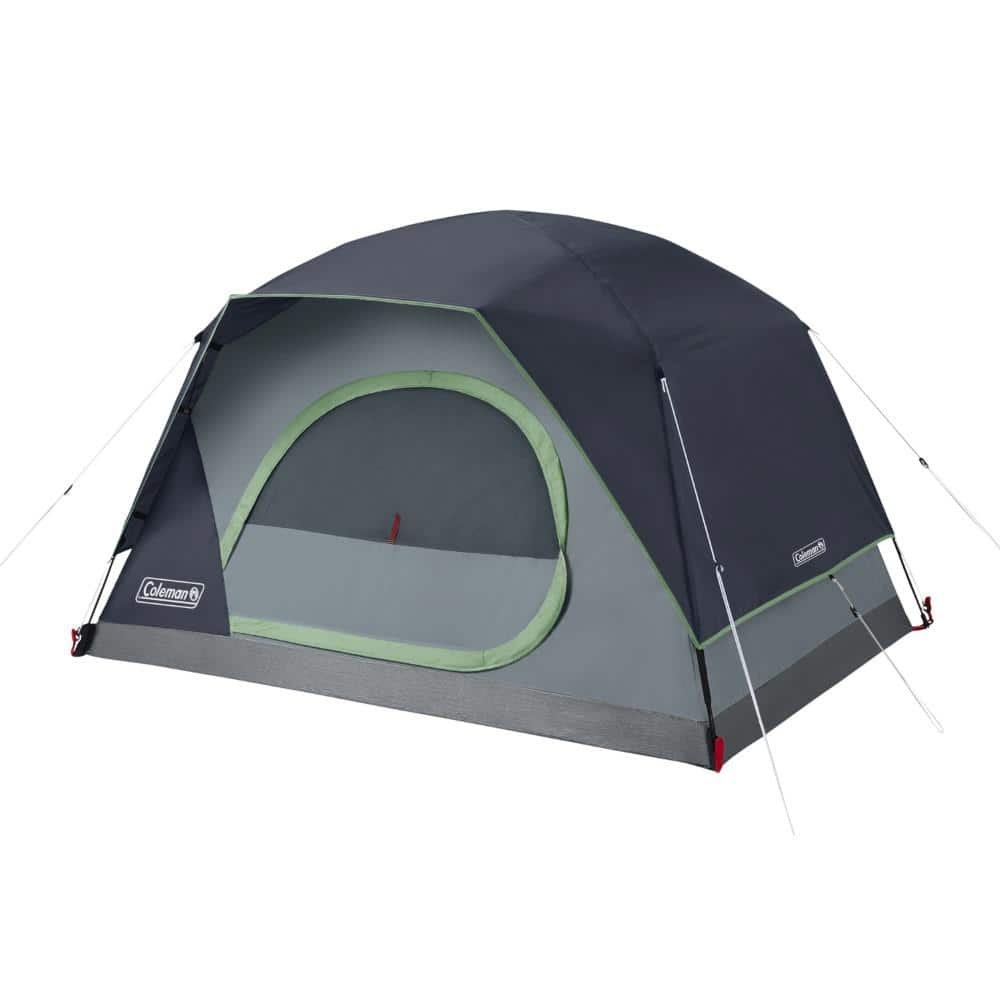
So when choosing a tent, I look for good ventilation, a full rainfly, a bathtub-style floor, and a setup I can manage without watching a 10-minute YouTube tutorial.
2. Don’t Cheap Out on Your Sleep System
If there is one area where I’d tell a beginner to spend a little more money, it’s the sleeping setup.
Not necessarily the tent.
The sleeping setup.
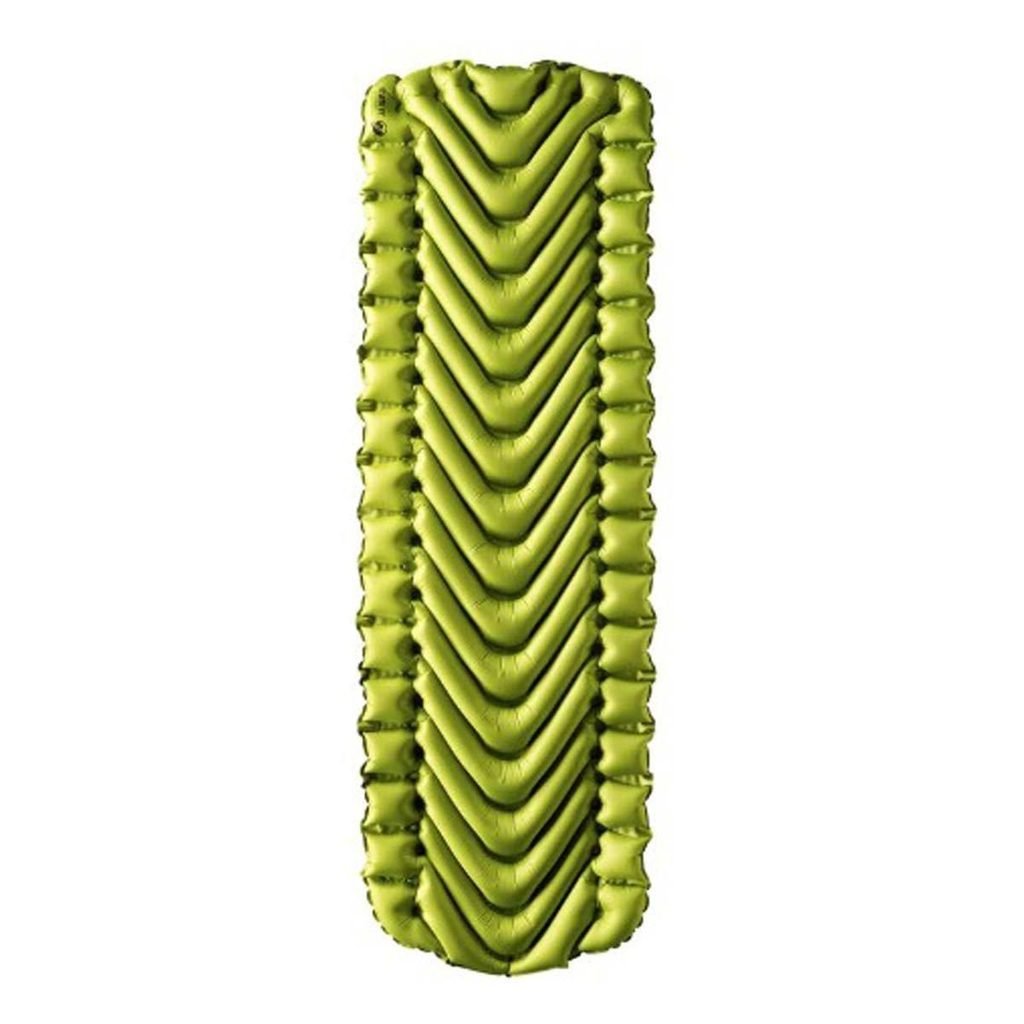
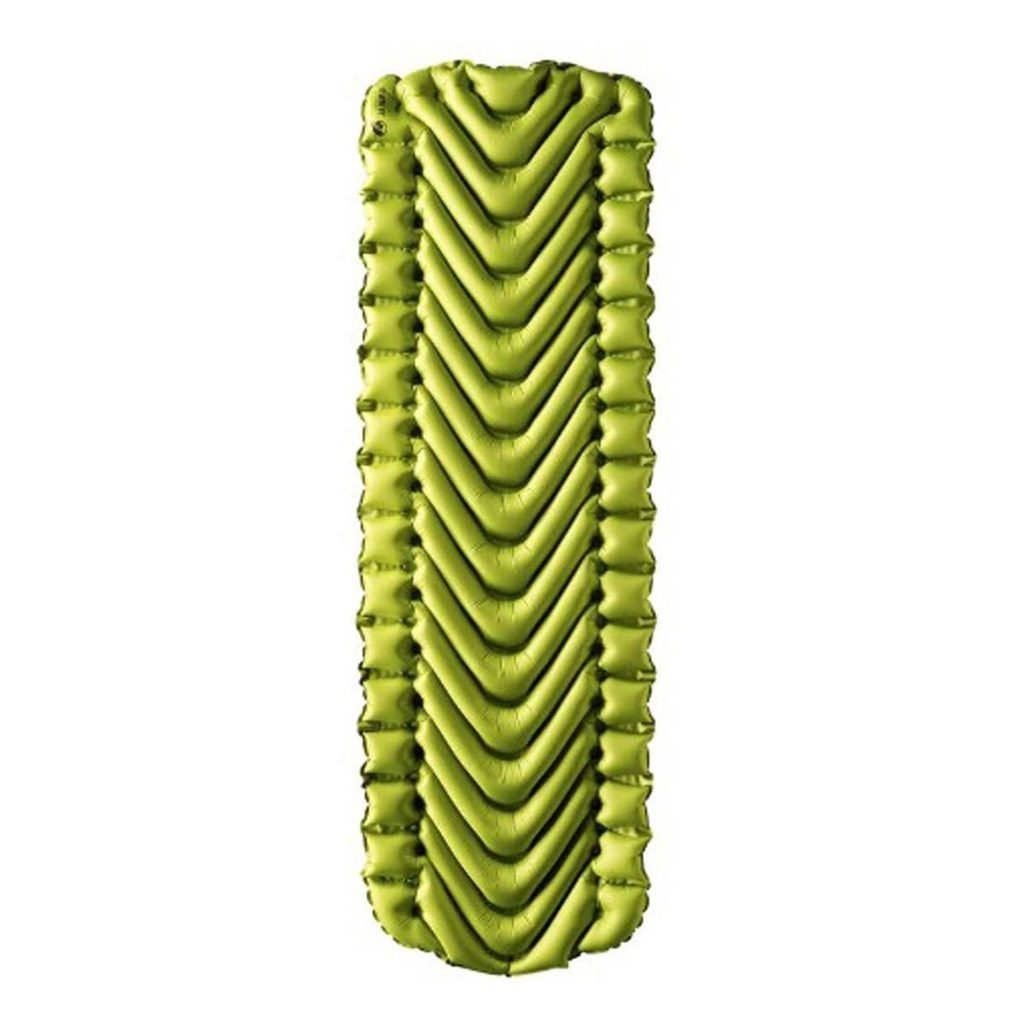
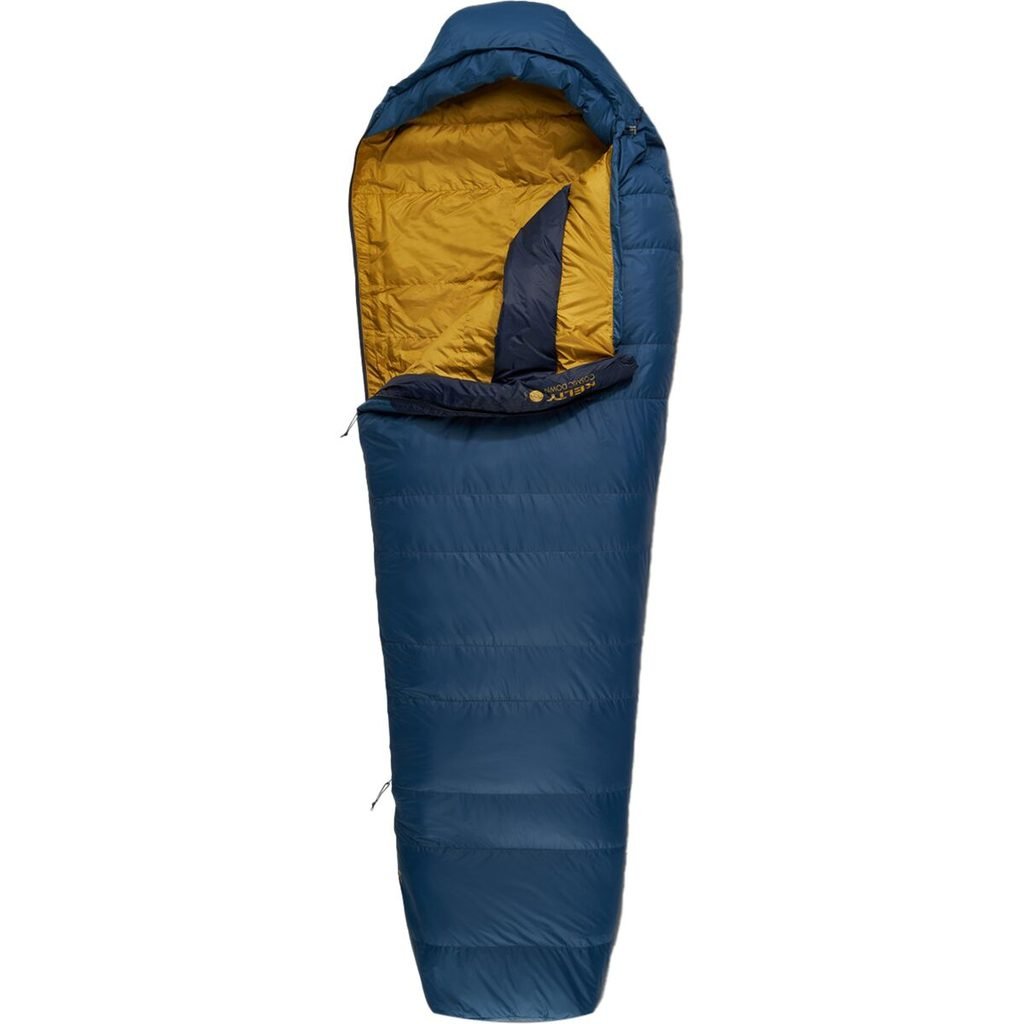
A comfortable mattress or sleeping pad can make the difference between waking up refreshed and waking up wondering why your back hurts.
My basic setup is:
- Sleeping pad or camping mattress
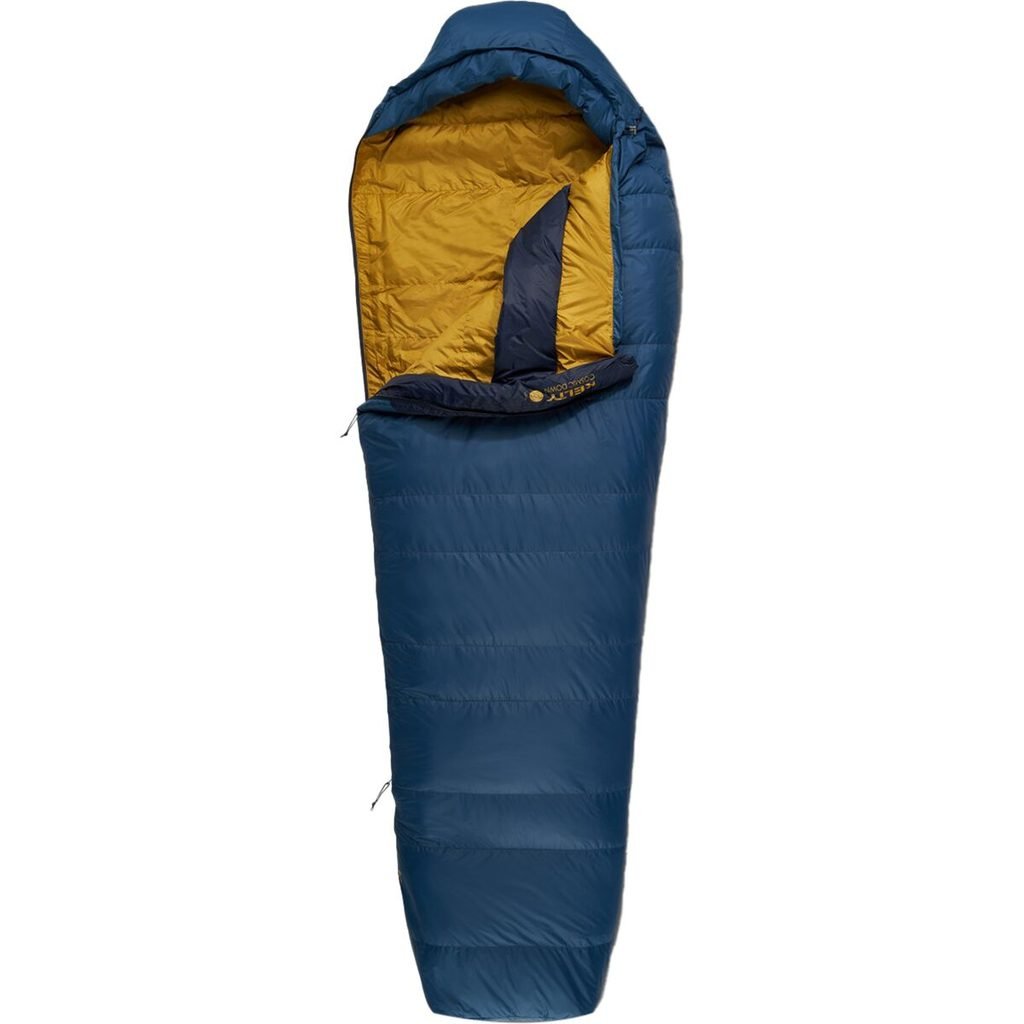
- Sleeping bag appropriate for the temperature
- Small camping pillow
- Extra blanket when conditions are uncertain
I used to think a sleeping bag was the most important part.
Then I spent a night on a thin sleeping pad.
That changed my mind pretty quickly.
The ground doesn’t care how expensive your sleeping bag is.
If the insulation underneath you isn’t doing its job, you’ll notice it.
3. Food and Water: Keep It Simple
This is another area where beginners tend to overpack.
I’ve brought enough food for a small restaurant before.
Then I ended up eating sandwiches and instant noodles because I didn’t want to spend an hour cooking.
These days, I plan meals around how much effort I actually want to put in after a day outdoors.
A typical weekend might include:
Breakfast
- Coffee
- Eggs
- Toast
- Fruit
Lunch
- Sandwiches
- Snacks
- Something quick
Dinner
- Pasta
- Grilled meat
- Simple one-pot meal
Nothing fancy.
And honestly, food tastes pretty good when you’re sitting outside next to a campfire anyway.
Don’t forget water
Even when a campground says it has potable water, I still bring a reasonable supply with me.
Water gets used for much more than drinking.
You need it for:
- Coffee
- Cooking
- Washing dishes
- Cleaning
- Emergency backup
I’d rather have a couple of extra gallons taking up space in the vehicle than realize I’ve underestimated my water needs halfway through the weekend.
4. Cooking Gear: You Probably Need Less Than You Think
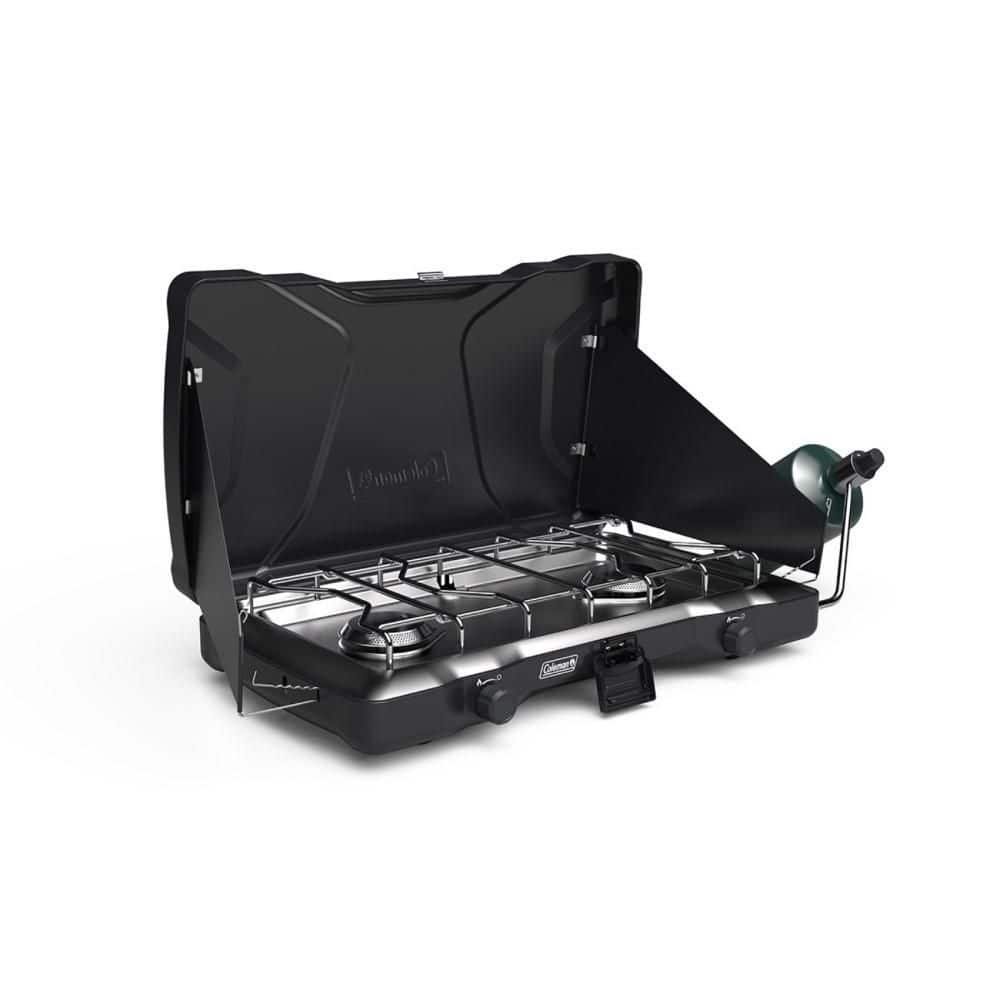
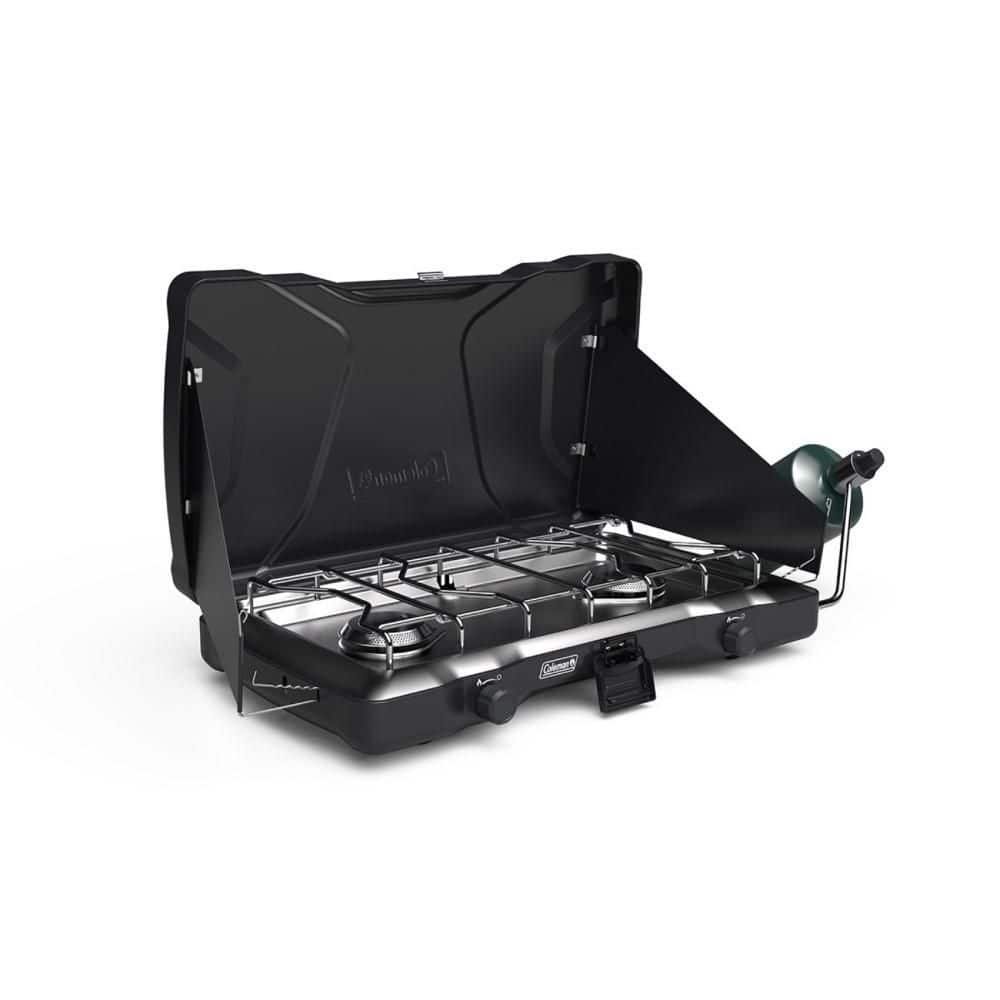
The photo shows a fairly complete cooking setup, but you don’t need a giant kitchen to make decent camping food.
My basic car-camping cooking kit usually consists of:
- Camping stove
- Fuel
- One pot or pan
- Spatula or cooking utensil
- Knife
- Cutting board
- Plates or bowls
- Cups
- Basic cleaning supplies
That’s about it.
I used to bring several pots and pans because I thought I might cook different meals.
Most of them stayed untouched.
Now I try to build meals around one-pot cooking whenever possible.
Less equipment means less cleaning.
And less cleaning means more time sitting around the fire.
That’s a pretty good trade.
5. Comfort Is Not a Luxury
I know some campers like to keep everything extremely minimalist.
That’s fine.
I’m not one of them.
When I’m car camping, I don’t see a reason to make myself uncomfortable just to prove I can.
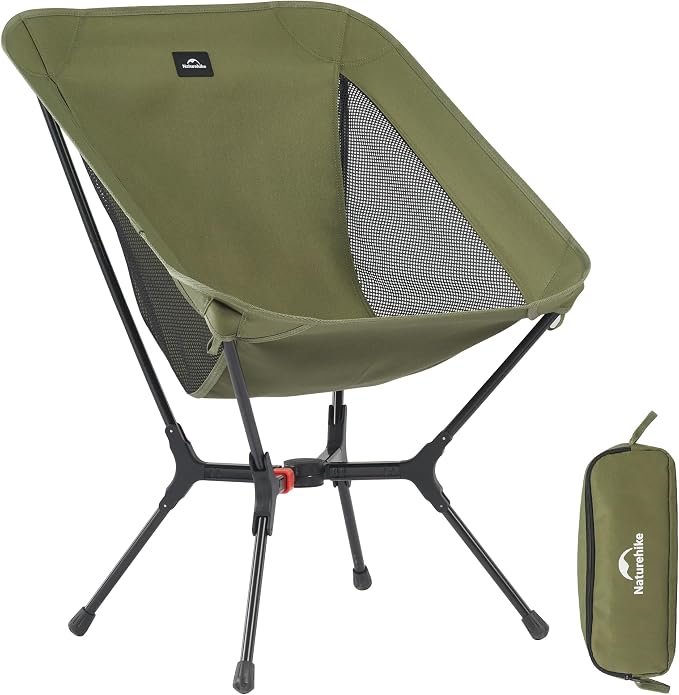
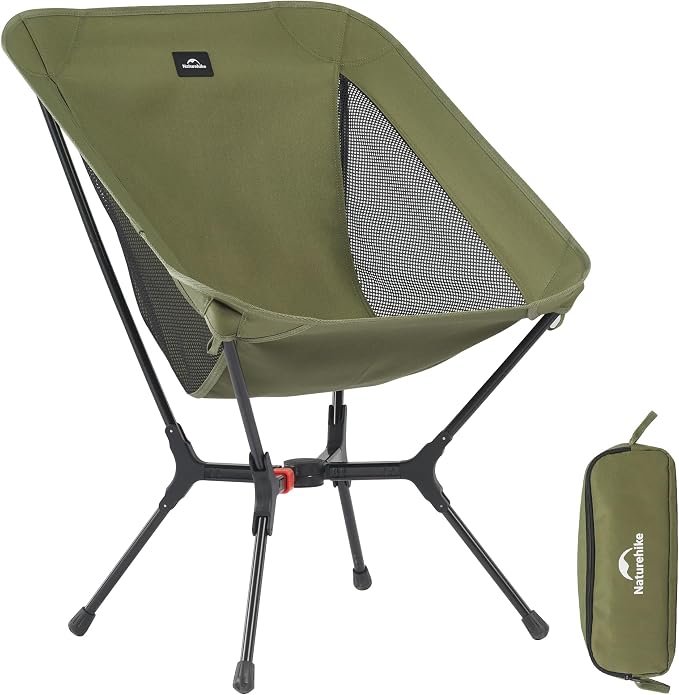
A decent camping chair is one of the first things I pack.
So is a small table.
There’s something surprisingly nice about having somewhere to sit down with your coffee in the morning instead of sitting on a cooler.
Other comfort items I sometimes bring:
- Small camping pillow
- Folding chair
- Compact table
- Extra blanket
- Camp towel
- Comfortable footwear
You don’t need all of these.
But the right two or three can make a weekend feel completely different.
6. Pack Clothing for the Weather, Not the Forecast
This one took me a while to learn.
I used to check the forecast, see a sunny weekend, and pack accordingly.
Then the temperature would drop after sunset.
Now I think in layers.
For most trips, I pack:
- Base layer
- T-shirt
- Warm mid-layer
- Rain jacket
- Extra socks
- Comfortable pants or shorts
And I always bring one more warm layer than I think I’ll need.
It doesn’t take up much room in a car.
Being cold all night because you wanted to save a little trunk space isn’t worth it.
7. A Headlamp Is One of the Best Small Purchases
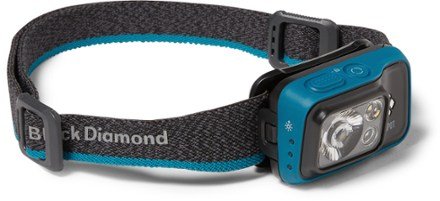
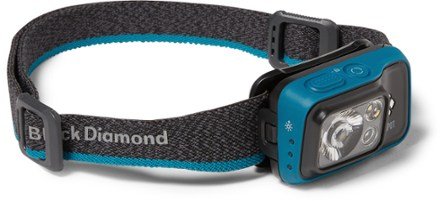
If you’re only buying a few pieces of camping gear, don’t overlook a headlamp.
I’ve used my phone flashlight before.
It works.
But try setting up a tent, cooking dinner, or digging through a storage box while holding your phone in one hand.
It’s annoying.
A headlamp leaves both hands free.
I keep one in my main camping box and usually have a second light somewhere in the car.
That way, if one battery dies, I’m not standing in the dark.
8. Keep a Basic Safety Kit in the Car
Hopefully you won’t need most of it.
That’s the point.
My basic safety box includes:
- First-aid kit
- Flashlight
- Extra batteries
- Multi-tool
- Emergency blanket
- Basic repair tape
- Lighter or fire starter
- Backup phone power bank
I also keep a few basic vehicle items with the car rather than mixing them into my camping equipment.
A camping trip is much more enjoyable when a small problem stays a small problem.
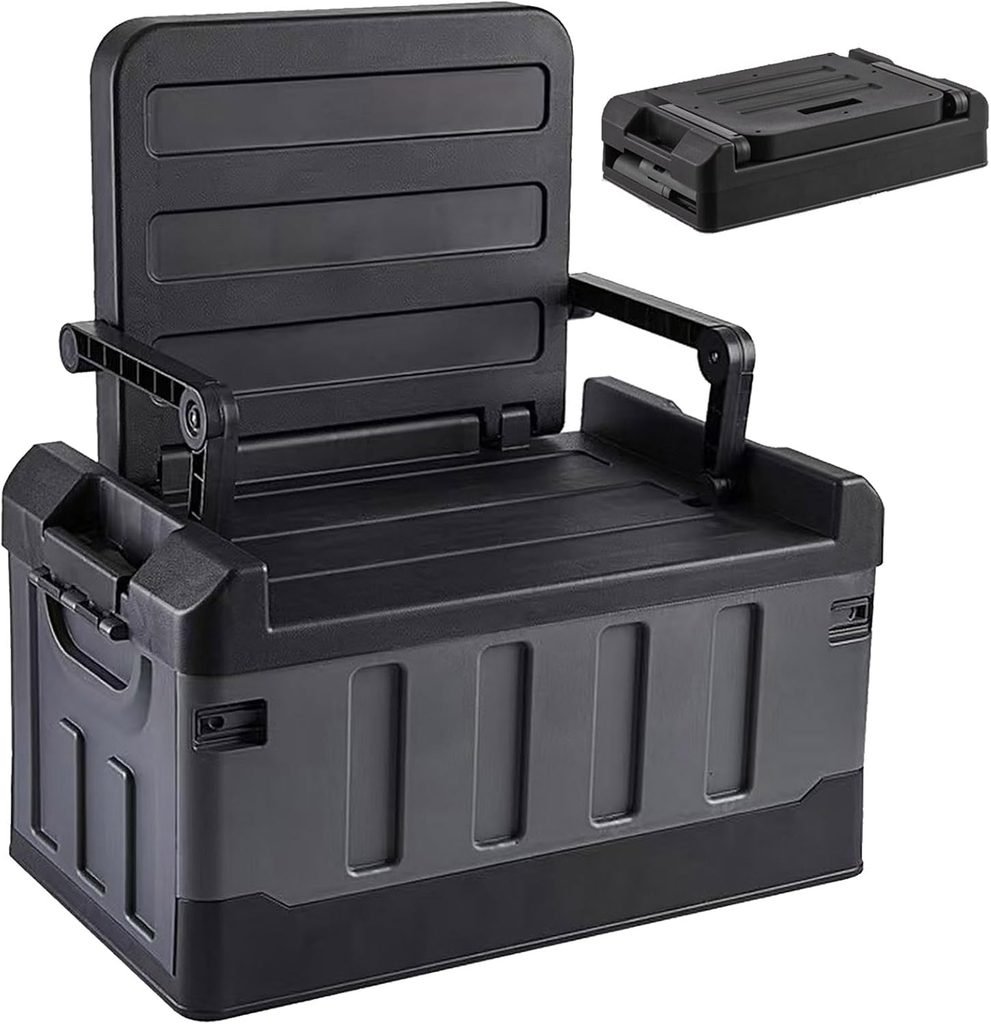
9. Storage Is What Makes Car Camping Easy
This is probably the least exciting part of camping gear.
It’s also one of the most useful.
I used to throw everything into the back of the SUV.
Then I’d arrive at the campsite and spend 15 minutes moving things around just to find the stove.
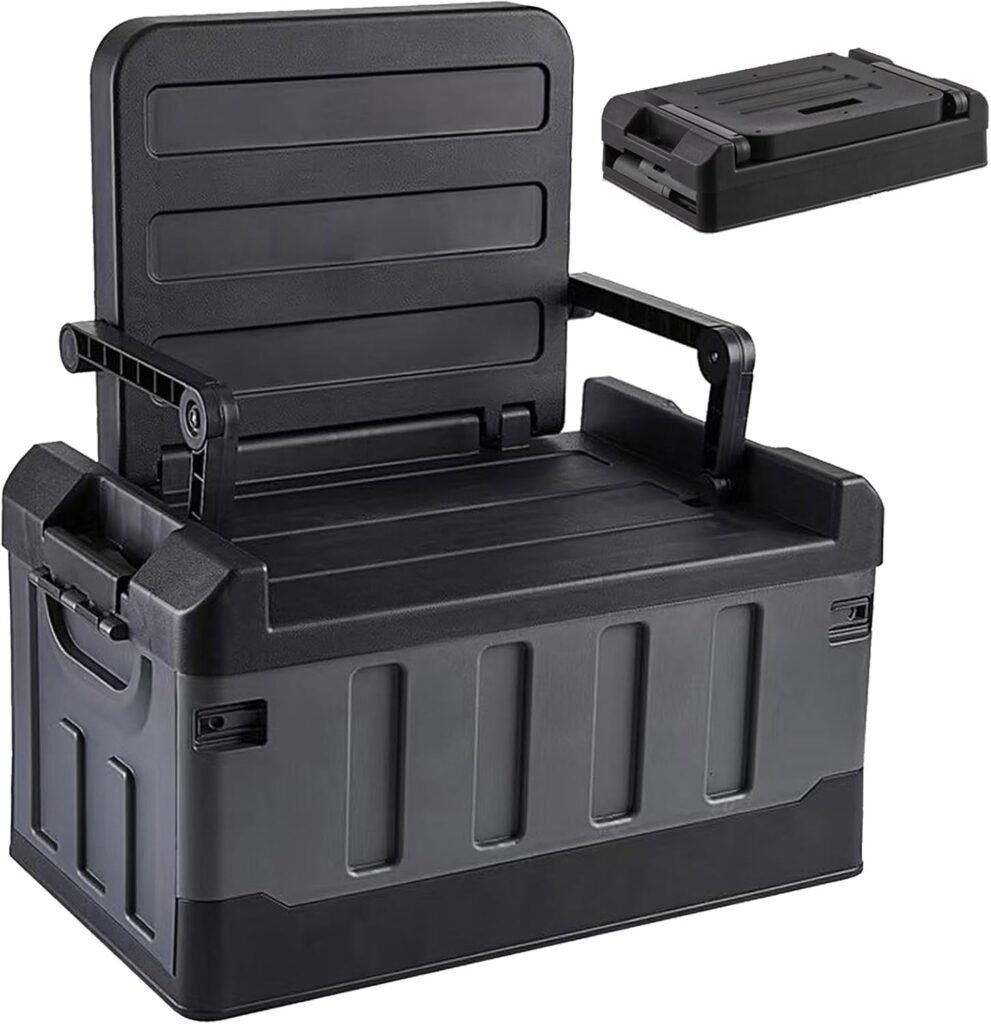
Now I use separate bins.
Cooking Bin
Stove, fuel, cookware and utensils.
Food Bin
Dry food, snacks, coffee and other supplies.
Camp Bin
Lanterns, batteries, tools, rope and miscellaneous equipment.
Sleeping Gear
Tent, sleeping bags, pads and pillows stay together.
It isn’t complicated.
But when it’s raining and you’re trying to find something quickly, you’ll appreciate it.
10. Don’t Forget Cleanup
This is the boring stuff.
It’s also the stuff you really don’t want to forget.
Bring:
- Trash bags
- Paper towels
- Biodegradable soap where appropriate
- Sponge or scrubber
- Small towel
- Food storage containers
And most importantly:
Pack out what you pack in.
I don’t like leaving a campsite looking like someone was there.
When I’m done, I want to look around and barely be able to tell that I spent the weekend there.
My Car Camping Setup: What I’d Pack First
If I were starting from zero today, I wouldn’t buy everything at once.
I’d build the setup in this order:
| Priority | Gear | Why |
|---|---|---|
| 1 | Tent | Keeps you protected from weather |
| 2 | Sleeping pad/mattress | Makes a huge difference overnight |
| 3 | Sleeping bag | Keeps you warm |
| 4 | Headlamp | Essential after dark |
| 5 | Stove | Makes cooking much easier |
| 6 | Cooler | Keeps food and drinks cold |
| 7 | Camping chair | Major comfort upgrade |
| 8 | Storage bins | Keeps the car organized |
| 9 | Table | Useful for cooking and meals |
| 10 | Lantern | Makes the campsite more comfortable at night |
If your budget is limited, don’t worry about buying all ten.
Start with the first five.
Then add the comfort items over time.
What I Wouldn’t Buy Right Away
This is just as important.
There are a lot of camping products that look incredibly useful online.
Some of them are.
Some of them ended up sitting in my garage.
I wouldn’t rush to buy:
- Huge cooking sets
- Expensive camping furniture
- Dozens of specialty gadgets
- Giant coolers
- Decorative campsite accessories
Go camping first.
Figure out what annoys you.
Then buy something that fixes that problem.
That’s a much better way to build a camping setup.
One Thing I Learned About Car Camping
The biggest advantage of car camping isn’t that you can bring more stuff.
It’s that you can bring the right stuff without worrying too much about weight.
That’s a big difference.
If a comfortable chair makes your evening better, bring it.
If a thicker mattress helps you sleep, bring it.
If you like making fresh coffee every morning, bring the coffee setup.
There’s no prize for having the most uncomfortable campsite.
The goal is to spend more time enjoying the outdoors and less time fighting with your equipment.
Final Thoughts
Looking at a fully packed car camping setup can make it seem like you need a mountain of equipment to get started.
You don’t.
After enough trips, I’ve actually gone in the opposite direction.
I bring fewer things now, but the things I bring are more useful.
A reliable tent.
A comfortable sleeping setup.
Simple cooking gear.
Good lighting.
Enough food and water.
A warm layer.
A chair.
And a couple of organized storage boxes.
That’s enough for me to have a comfortable weekend outdoors without turning the campsite into a warehouse.
And honestly, that’s what I like about car camping.
You can keep it simple, bring a few comforts from home, and still wake up surrounded by trees, fresh air, and somewhere worth exploring.
Pack smart. Stay comfortable. Enjoy nature.
Disclosure: Peakpulse may earn a commission when you purchase through links on this page, at no additional cost to you. We only recommend gear that fits the type of camping discussed in this article.