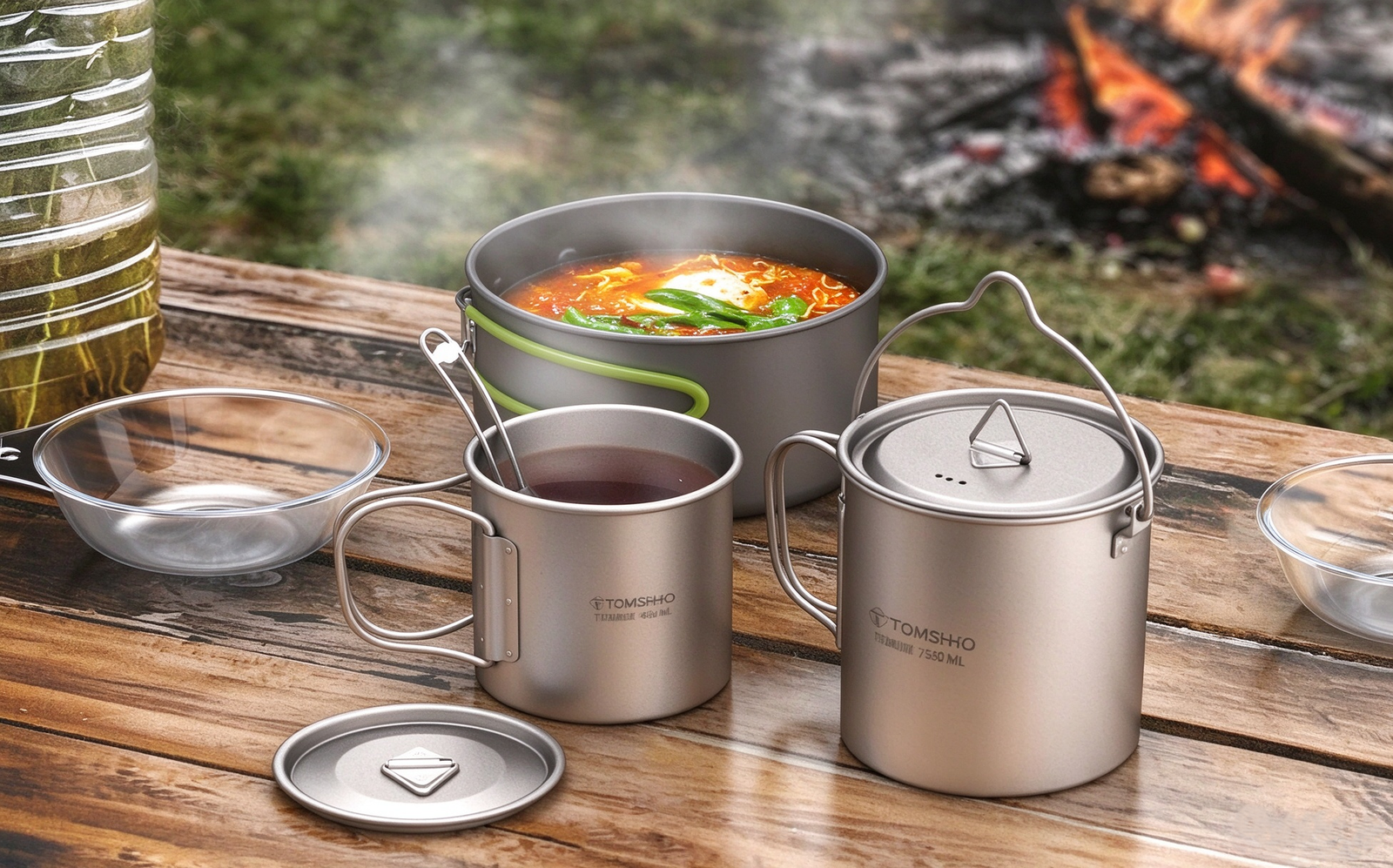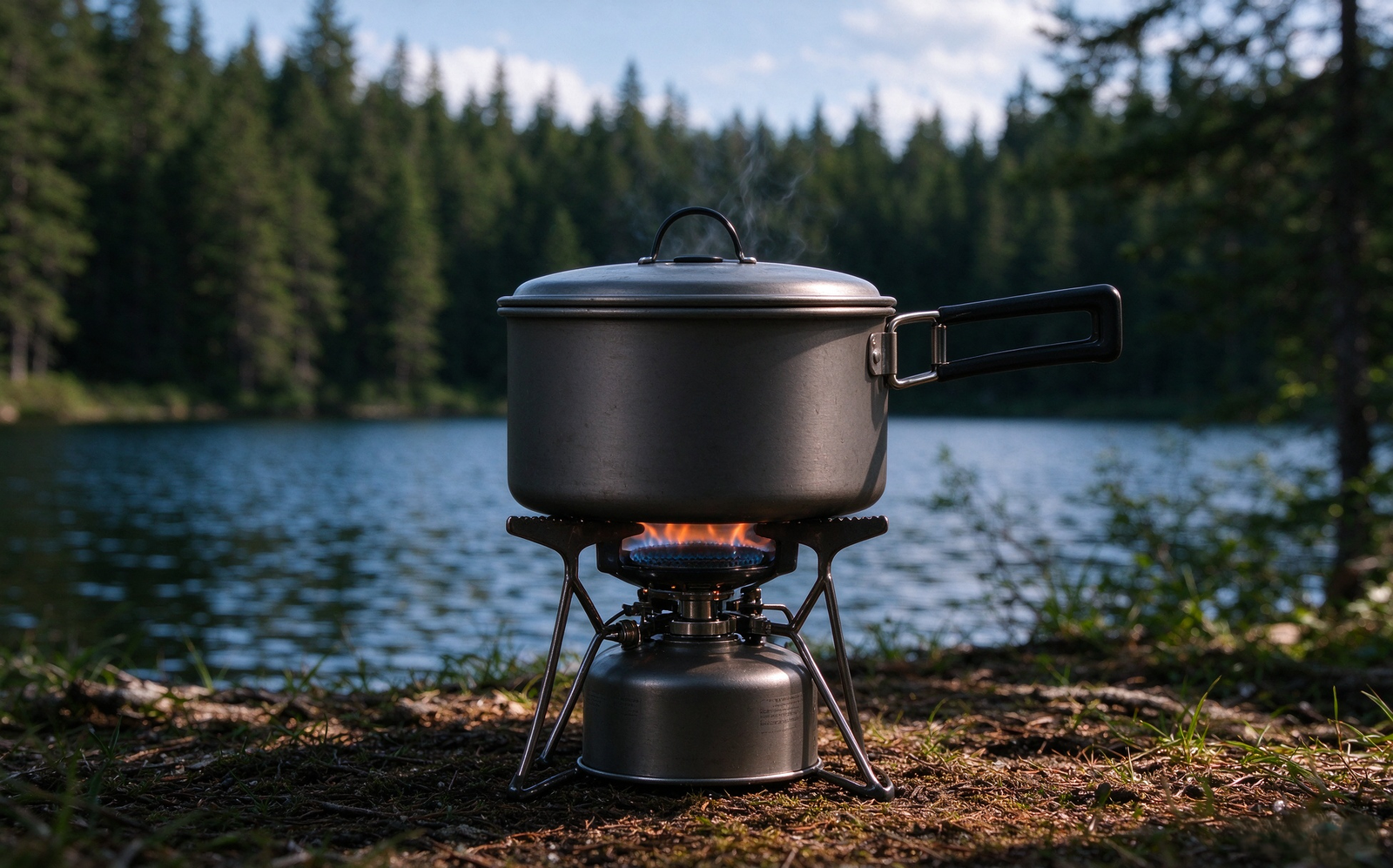
Choosing a camping stove sounds simple until you start shopping. Some stoves are cheap but bulky. Others are incredibly light but aren’t ideal for cooking a proper breakfast. And a powerful stove isn’t always the best choice if all you want to do is boil water on a backpacking trip.
I’ve found that the best way to choose a camping stove is to start with how you actually camp. Do you drive to a campsite with a cooler full of food? Hike several miles with everything on your back? Or need a simple, affordable burner for occasional weekend trips?
Those situations call for different gear.
In this guide, we’ll look at seven camping stoves worth considering in 2026, from budget-friendly options to lightweight backpacking systems and powerful two-burner models. We’ll compare their strengths, limitations, fuel types, and the kinds of trips they’re best suited for.
Quick answer: For traditional car camping, start by comparing the Coleman Classic 2-Burner and Camp Chef Everest 2X. For backpacking, look at the MSR PocketRocket 2. If boiling water quickly is your main priority, the Jetboil Flash deserves a look.
Affiliate disclosure: Peakpulse may earn a commission when you purchase through qualifying links in this article, at no additional cost to you. This does not affect our recommendations.
Quick Picks: The Best Camping Stoves at a Glance
| Camping Stove | Best For | Main Advantage | Main Trade-Off |
|---|---|---|---|
| Coleman Classic 2-Burner | Most car campers | Simple, practical two-burner design | Too bulky for backpacking |
| Camp Chef Everest 2X | Serious campsite cooking | Powerful burners and good cooking control | Higher price and heavier build |
| MSR PocketRocket 2 | Backpacking | Extremely lightweight and compact | Limited cooking surface |
| Jetboil Flash | Fast water boiling | Integrated pot and burner system | Less versatile for ordinary frying |
| SOTO WindMaster | Exposed hiking campsites | Wind-conscious burner design | Requires compatible canister fuel |
| Gas One GS-3400P | Budget-conscious campers | Dual-fuel flexibility on compatible models | Bulkier than a backpacking burner |
| Camp Chef Explorer | Group camping and large meals | High output for larger cookware | Heavy and takes up substantial space |
These are category-based recommendations, not a claim that all seven models were personally tested side by side. Current prices and availability vary by retailer, so check the latest listing before purchasing.
1. Coleman Classic 2-Burner Propane Stove — Best for Everyday Car Camping
Best for: Beginners, couples, families, and weekend car campers.
The Coleman Classic 2-Burner Propane Stove is a straightforward choice for people who want to cook ordinary meals outdoors without building an elaborate camp kitchen.
Two burners make a practical difference. You can heat water on one side while cooking eggs, bacon, or vegetables on the other. That sounds basic, but it makes breakfast and dinner much easier when several people are waiting to eat.
Its folding design and wind-blocking panels are useful features for campsite cooking. The stove is also relatively uncomplicated to operate compared with more specialized systems.
What we like
- Two burners for preparing different foods at the same time.
- A familiar, straightforward design.
- Wind panels that help shield the cooking area.
- A practical starting point for car camping.
What to consider
- It is too heavy and bulky for most backpacking trips.
- Propane fuel adds another item to pack.
- Wind protection does not eliminate the effects of strong gusts.
- Basic models may lack some of the ignition and heat-control features found on premium stoves.
Our take: If you drive to your campsite and cook with normal pots and pans, a traditional two-burner stove is often more useful than an expensive ultralight burner. Start here if you want a simple camp kitchen.
Amazon Button: Check Price on Coleman Classic 2-Burner →
2. Camp Chef Everest 2X — Best for Serious Camp Cooking
Best for: Campers who cook full meals, larger groups, and frequent car campers.
Some camping stoves are mainly designed to heat water. The Camp Chef Everest 2X is aimed at people who want to do more.
Its two high-output burners are designed for tasks such as boiling a large pot, cooking in a skillet, and preparing multiple dishes. Independent burner controls also help when one dish needs a strong flame while another needs gentler heat.
That flexibility matters when you’re cooking something more complicated than instant noodles. High heat is useful for boiling water quickly, but good control over lower heat is just as important when you’re trying not to burn breakfast.
What we like
- Strong heat output for campsite meals.
- Two burners for more flexible cooking.
- A design suited to larger pots and pans.
- Useful wind protection around the burners.
What to consider
- It costs more than many basic camping stoves.
- Its weight and packed size make it a poor backpacking choice.
- Powerful burners can use fuel quickly at high settings.
- A high-output stove still needs appropriate cookware and a stable cooking surface.
Our take: This is worth comparing with the Coleman if you camp often and cook substantial meals. If you mostly boil water and heat a can of soup, you may not need the extra power.
Amazon Button: Check Price on Camp Chef Everest 2X →
3. MSR PocketRocket 2 — Best Lightweight Backpacking Stove
Best for: Solo hikers, minimalist backpackers, and people who want to reduce pack weight.
When you’re carrying everything on your back, a large two-burner stove stops making sense pretty quickly.
The MSR PocketRocket 2 takes the opposite approach. It’s a small canister-mounted burner designed to pack easily and work with compatible cookware. At approximately 2.6 ounces for the stove itself, it leaves much more room in your pack than a traditional campsite stove.
It’s particularly suitable for boiling water, making oatmeal, preparing simple one-pot meals, or heating water for dehydrated backpacking food.
There is a trade-off, though. A lightweight burner doesn’t give you the broad cooking surface or two independently controlled burners of a car-camping stove.
What we like
- Very low stove weight.
- Compact storage.
- Simple setup with compatible fuel canisters.
- A practical option for lightweight cooking.
What to consider
- The pot, fuel canister, and other accessories add to the total carried weight.
- Small burners can be less convenient with large or unstable cookware.
- Wind can significantly affect cooking performance.
- It is less suitable for elaborate meals that need precise heat control.
Our take: If your camping kitchen consists of a small pot, a spoon, and a few easy meals, this kind of stove makes a lot of sense. You don’t need to carry a full outdoor kitchen to enjoy a hot dinner on the trail.
Amazon Button: Check Price on MSR PocketRocket 2 →
4. Jetboil Flash — Best for Fast Boiling
Best for: Backpackers, solo campers, and hikers who mainly need hot water.
The Jetboil Flash is an integrated cooking system rather than just a standalone burner. Its burner and compatible cooking vessel are designed to work together, making it especially convenient for boiling water.
That setup is useful for instant coffee, oatmeal, dehydrated meals, and other foods that only need hot water.
Instead of assembling a separate burner and pot, you have a compact system built around a specific cooking task. Jetboil advertises rapid boiling performance, although actual times depend on conditions, fuel, water volume, and altitude.
The main limitation is versatility. If you regularly fry eggs, cook pancakes, or prepare meals in a wide skillet, a conventional stove may be a better fit.
What we like
- Integrated burner-and-pot design.
- Convenient for hot drinks and dehydrated meals.
- Compact cooking setup.
- Less need to assemble separate cooking components.
What to consider
- It may be more specialized than you need.
- Integrated systems can limit cookware choices.
- The total system cost may be higher than a basic burner.
- You still need to carry fuel and follow the manufacturer’s operating instructions.
Our take: Choose this style if your priority is hot water with minimal fuss. If you enjoy cooking a proper skillet breakfast outdoors, put a two-burner stove higher on your list.
Amazon Button: Check Price on Jetboil Flash →
5. SOTO WindMaster — Best Option to Consider for Windy Campsites
Best for: Backpackers who cook in exposed locations and want a compact canister stove.
Wind can turn a simple cooking task into a frustrating one. Flames lose efficiency, water takes longer to boil, and fuel consumption can increase.
The SOTO WindMaster is designed with wind performance in mind. Its burner arrangement and pot-support design help make it an option worth considering for exposed campsites where a lightweight stove is still essential.
However, no small backpacking stove is completely immune to weather. In strong winds, site selection and safe positioning remain important.
What we like
- Compact backpacking design.
- A burner layout intended to improve performance in breezy conditions.
- Suitable for hikers who value low weight.
- A useful alternative to basic canister burners.
What to consider
- It is still a small, single-burner cooking system.
- Fuel canister compatibility matters.
- Performance depends on wind, temperature, cookware, and setup.
- A lightweight stove may not be ideal for large meals or group cooking.
Our take: If you often cook above the tree line or at exposed campsites, wind performance deserves more attention than advertised boiling speed alone. Compare the WindMaster with other compact burners before making your choice.
Amazon Button: Check Price on SOTO WindMaster →
6. Gas One GS-3400P — Best for Budget-Conscious Campers Who Want Fuel Flexibility
Best for: Occasional campers and people looking for an affordable tabletop cooking option.
The Gas One GS-3400P is known for its dual-fuel design, which supports compatible butane cartridges and propane connections when used according to the manufacturer’s instructions.
Fuel flexibility can be useful if you want more than one option for sourcing fuel. But make sure you understand exactly which canisters, adapters, and connection methods are approved for the particular model you purchase.
A low purchase price is attractive, but the full cost includes fuel, compatible accessories, and any equipment needed to transport and store everything safely.
What we like
- Dual-fuel capability on the compatible model.
- A practical option for simple outdoor meals.
- Appealing to campers who want to limit their initial equipment spending.
- Suitable for basic cooking rather than complex camp-kitchen setups.
What to consider
- It is bulkier than a minimalist backpacking burner.
- Fuel connections must match the manufacturer’s specifications.
- Don’t assume every propane cylinder or adapter is compatible.
- Check ignition, stability, cleaning requirements, and current safety instructions before use.
Our take: This is worth considering if your main priority is keeping the initial cost down. Compare the complete setup, not just the price of the stove itself.
Amazon Button: Check Price on Gas One GS-3400P →
7. Camp Chef Explorer — Best for Group Camping and Large Meals
Best for: Larger groups, base camps, and campers who regularly cook with bigger pots.
The Camp Chef Explorer is a different kind of stove from the compact models above. It’s designed for a more substantial outdoor cooking setup, where high output and room for larger cookware matter more than saving every inch of storage space.
This type of stove can make sense for family gatherings, group camping, or cooking in larger pots. It may also suit campers who want to build a dedicated outdoor kitchen around their stove.
The downside is obvious: size. It’s not something most hikers would want to carry, and you should consider how much room it takes up in your vehicle.
What we like
- High-output cooking for larger meals.
- A platform suited to larger cookware.
- Useful for group and base-camp cooking.
- More suitable for substantial cooking tasks than ultralight burners.
What to consider
- Heavier and less compact than portable backpacking stoves.
- Larger setups require more storage space.
- Some configurations may require separate accessories.
- High-output burners need appropriate clearance and careful fuel handling.
Our take: If you cook for a group regularly, extra capacity may be worth the space it takes up. For a solo overnight trip, it would be unnecessary equipment.
Amazon Button: Check Price on Camp Chef Explorer →
How to Choose the Right Camping Stove
Before spending money, answer these five questions.
1. Are You Car Camping or Backpacking?
This is the most important decision.
For car camping, weight matters less because you can transport the stove in your vehicle. A two-burner model gives you room to cook several foods at once.
For backpacking, every ounce counts. A compact canister burner or integrated boiling system is usually more practical.
Don’t buy a heavy stove just because it looks sturdy if you’re going to carry it for miles.
2. What Do You Actually Cook?
Your menu should influence your stove choice.
- Mostly hot drinks and dehydrated meals: Consider the Jetboil Flash or MSR PocketRocket 2.
- Eggs, pancakes, and skillet meals: A conventional stove with good heat adjustment is more versatile.
- Meals for several people: Consider a two-burner stove such as the Coleman Classic or Camp Chef Everest 2X.
- Large pots and group cooking: A larger cooking platform such as the Camp Chef Explorer may be more suitable.
A stove that matches your normal meals is usually a better purchase than one with the biggest advertised output.
3. Which Fuel Does It Use?
Camping stoves commonly use propane, butane, isobutane-propane canisters, or liquid fuels, depending on the design.
| Fuel Type | Common Use | What to Check |
|---|---|---|
| Propane | Car camping and larger stoves | Cylinder compatibility and cold-weather limitations |
| Butane | Some tabletop and compact stoves | Temperature suitability and cartridge compatibility |
| Isobutane-propane canisters | Backpacking burners and integrated systems | Approved canister type and performance in cold conditions |
| Liquid fuel | Certain expedition and multi-fuel stoves | Maintenance, priming requirements, and fuel availability |
Never assume that two fuels are interchangeable. Use only the fuel type, canister, regulator, and connections specified by the manufacturer.
4. How Much Wind Protection Do You Need?
Wind protection can make a noticeable difference to cooking efficiency, but a built-in windshield isn’t a guarantee of good performance in every condition.
Look for a stove designed for your expected environment. Choose a naturally sheltered outdoor location when possible, and follow the manufacturer’s instructions about wind protection.
Important: Never place a fuel-burning stove inside a tent, enclosed shelter, vehicle, or other enclosed space. Carbon monoxide can build up rapidly and become fatal. Use the stove outdoors, away from flammable materials, on a stable surface, and with the required clearances.
5. What’s Your Total Budget?
The stove is only one part of your cooking setup.
Remember to budget for:
- Fuel and compatible canisters.
- A suitable pot or cookware set.
- A lighter or approved ignition backup, if needed.
- A stable cooking surface.
- Safe fuel storage and transport.
A basic stove that works with cookware you already own may offer better value than an expensive integrated system you rarely use.
Camping Stove Buying Mistakes to Avoid
Buying Too Much Stove
A powerful two-burner stove can be great for a family campsite, but it adds unnecessary weight for a solo backpacker. Match the stove to the trip, not the other way around.
Ignoring Low-Heat Control
High output looks impressive in a product description, but cooking isn’t all about boiling water. If you want to simmer oatmeal or cook eggs without burning them, controllable low heat matters.
Forgetting About Wind
A stove that works well in sheltered conditions may perform differently in exposed wind. Consider your usual camping environment, and don’t rely on a small stove to overcome unsafe weather conditions.
Choosing Fuel Without Checking Availability
A bargain stove isn’t much use if its compatible fuel is hard to find where you’re going. Check availability before the trip, especially for remote destinations.
Skipping a Test Run at Home
Before leaving, set up the stove outdoors in a safe, well-ventilated area. Check the instructions, inspect connections, confirm that the cookware is stable, and learn how to shut the stove down correctly.
Don’t wait until you’re hungry at a campsite to discover that you’ve brought the wrong fuel connector.
What Else Do You Need for a Simple Camping Kitchen?
A stove is only one part of a functional setup. For most beginners, a small collection of practical gear is enough.
- Cookware: One pot and one skillet, or a compact nesting set.
- Utensils: A spatula, spoon, and a sharp food-preparation knife stored safely.
- Lighting: A headlamp for cooking after sunset.
- Storage: A box or bag for keeping cooking equipment organized.
- Cleaning supplies: A sponge, biodegradable soap where appropriate, and a way to manage wastewater according to campsite rules.
- Food storage: A suitable cooler or approved wildlife-resistant food container, depending on the destination.
You don’t need to buy everything at once. Start with the equipment needed for your planned meals, then add items as you learn what makes your trips easier.
Amazon Button: Shop Camping Cooking Essentials →
Frequently Asked Questions
What is the best camping stove for beginners?
For beginners who drive to a campsite, a straightforward two-burner propane stove such as the Coleman Classic is a practical starting point. Backpackers should consider a compact canister stove instead.
Is a one-burner or two-burner camping stove better?
A one-burner stove is usually more compact and sufficient for simple meals. A two-burner stove is more convenient when preparing multiple dishes or cooking for several people.
Are expensive camping stoves worth it?
Sometimes. Premium models may offer better cooking control, stronger output, more convenient features, or a specialized design. If you only boil water occasionally, a basic stove may be enough.
Can I use a camping stove inside my tent?
No. Never use a fuel-burning camping stove inside a tent, vehicle, or enclosed shelter. Carbon monoxide poisoning and fire are serious risks. Use it outdoors according to the manufacturer’s safety instructions.
How much should I spend on a camping stove?
Your budget should reflect your camping style. Occasional car campers can start with a basic stove, while frequent campers may benefit from investing in better cooking control or a more durable setup. Backpackers should consider the combined weight and cost of the stove, fuel, and cookware.
What is the best camping stove for windy conditions?
The SOTO WindMaster is one option worth comparing for exposed backpacking campsites. However, no stove should be treated as completely windproof. Always follow the manufacturer’s guidance for safe operation.
Final Verdict: Which Camping Stove Should You Buy in 2026?
There isn’t one camping stove that suits every trip. The best choice depends on how you travel, what you cook, and how much gear you’re willing to carry.
Here’s the short version:
- Best for everyday car camping: Coleman Classic 2-Burner.
- Best for more demanding campsite cooking: Camp Chef Everest 2X.
- Best for lightweight backpacking: MSR PocketRocket 2.
- Best for fast water boiling: Jetboil Flash.
- Best to consider for exposed, windy campsites: SOTO WindMaster.
- Best for budget-conscious fuel flexibility: Gas One GS-3400P.
- Best for large meals and group cooking: Camp Chef Explorer.
If this is your first camping stove, don’t overcomplicate the decision. Think about the meals you want to make, the fuel you can obtain, and whether the stove will be carried on your back or packed into a car.
A reliable setup should make cooking easier, not give you another piece of complicated equipment to worry about.
Ready to build your camp kitchen? Compare the options above, check current prices and fuel compatibility, and choose the stove that fits your next trip.
[Amazon Button: Explore Camping Stoves on Amazon →]
About This Guide
Peakpulse creates practical outdoor gear guides to help campers compare equipment, understand trade-offs, and make informed buying decisions. Product specifications, prices, and availability can change, so confirm current details with the manufacturer or retailer before purchasing.
Editorial note: Product recommendations in this guide are based on intended use, product design, and published information. They should not be interpreted as a claim that Peakpulse personally tested all seven stoves in a controlled side-by-side test.