Disclosure: This post may contain affiliate links. If you buy through these links, we may earn a commission at no extra cost to you.As an Amazon Associate, we earn from qualifying purchases.
In this 2026 guide, you’ll learn exactly how to choose a camping tent step by step, avoid beginner mistakes, and pick a tent that balances comfort, durability, and value. Let’s start with why choosing the right tent makes a difference.
🏕️ Why Choosing the Right Tent Matters
A good tent can mean the difference between:
- A cozy night under the stars
- Or a miserable, wet, sleepless experience
For beginners, the goal is simple: 👉 Stay dry, sleep comfortably, and set up easily. Let’s dive into the first key factor: understanding your camping style.
🔑 1. Understand Your Camping Style
Before looking at specs, ask yourself:
- Are you car camping or backpacking?
- Camping in summer only or all seasons?
- Solo, couple, or family?
👉 Quick Breakdown:
- Car Camping: Weight doesn’t matter → go bigger & more comfortable
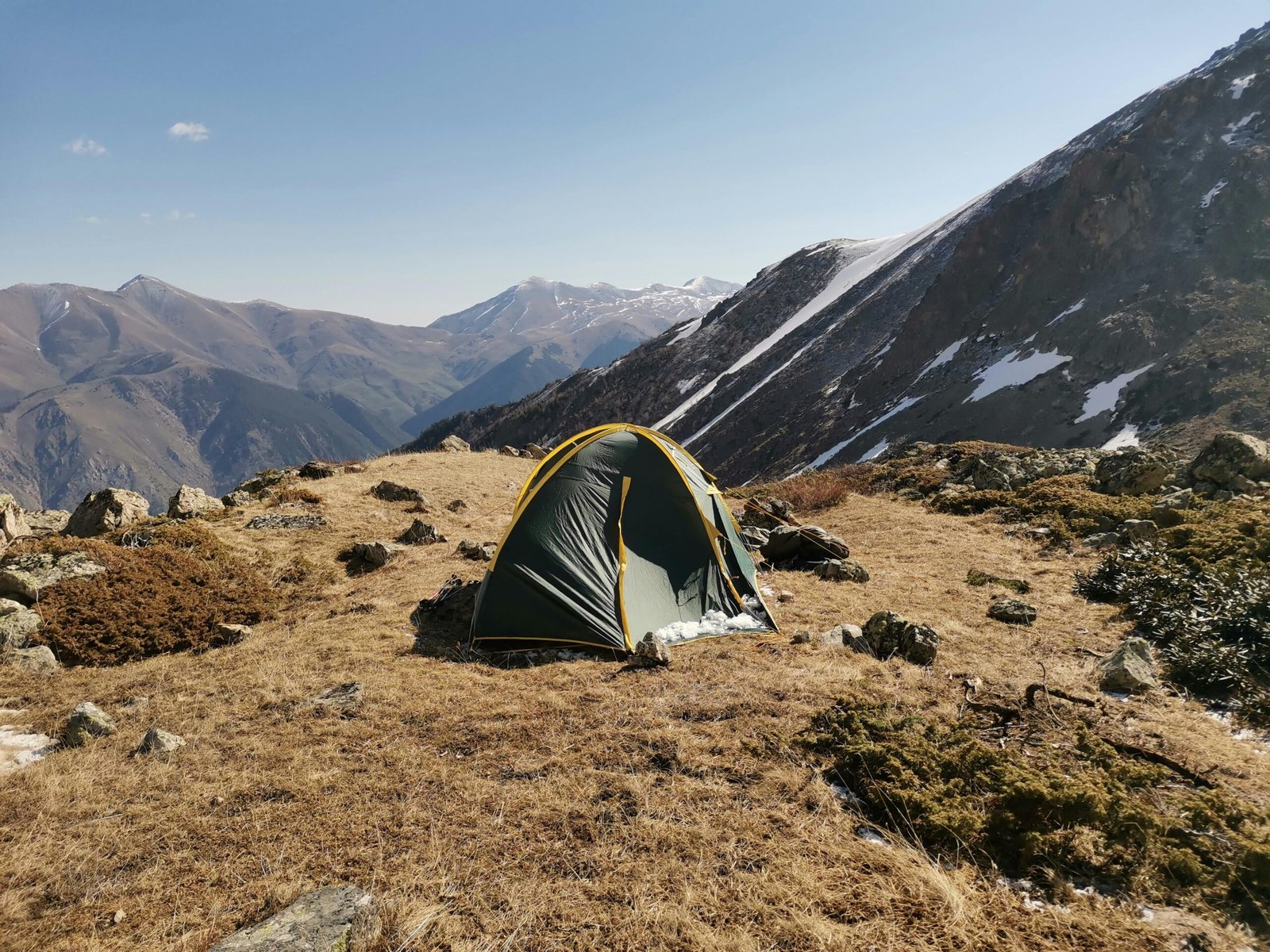
- Backpacking: Weight matters → go lightweight & compact
- Family Camping: Space & height matter → cabin-style tents
⛺ 2. Choose the Right Tent Size
One of the biggest beginner mistakes is choosing a tent that’s too small.
Rule of Thumb:
- 1 person = minimum space
- Add +1 capacity for comfort.
Example:
- 2 people → choose a 3-person tent
Why?
Because tents are rated tightly—like sleeping side by side with zero extra room.
🌦️ 3. Check Weather Protection (Rain & Wind)
If you only remember one thing, remember this:
👉 Waterproof rating matters more than brand name
Key Specs:
- Rainfly: Full coverage is best
- Waterproof Rating (mm):
- 1000–1500mm → light rain
- 2000–3000mm → heavy rain
- Wind Stability:
- Aluminum poles > fiberglass
- Dome-shaped handles wind better.
🏗️ 4. Easy Setup is Critical for Beginners
After a long day outdoors, the last thing you want is a complicated tent.
Look for:
- Freestanding design
- Color-coded poles
- Set up time under 10 minutes
Beginner-friendly tents can be set up in 5 minutes or less.
🎒 5. Weight & Portability (Especially for Backpacking)
If you plan to hike:
- Under 2 kg (4.4 lbs) → ideal
- Compact packed size → fits in a backpack.
For car camping, weight is less important—comfort wins.
🌬️ 6. Ventilation & Condensation Control
A common beginner complaint:
👉 “Why is my tent wet inside?”
That’s condensation.
Look for:
- Mesh panels
- Dual vents
- Double-wall design
These help airflow and reduce moisture buildup.
💰 7. Budget: How Much Should You Spend?
You don’t need to overspend.
Beginner Budget Guide (2026):
- $50–$100 → basic, fair-weather tents
- $100–$250 → best value (recommended)
- $250+ → premium lightweight or extreme weather
👉 Sweet spot for beginners: $120–$200
⭐ 8. Recommended Beginner-Friendly Tent Types
Here are the best categories to start with:
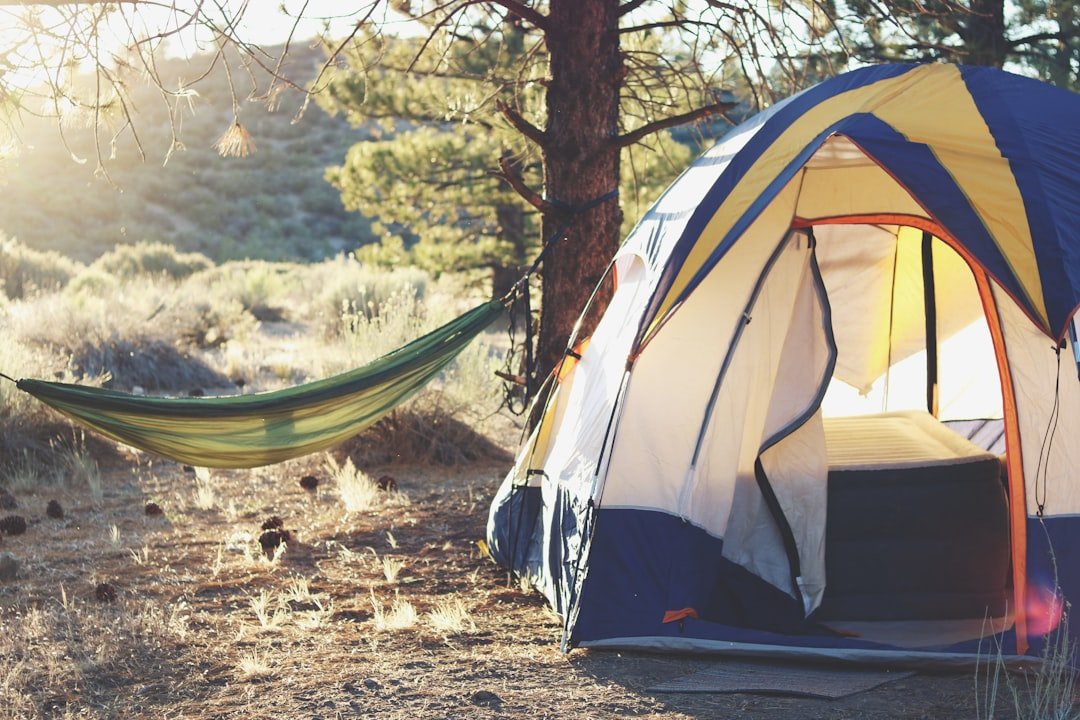
1. Dome Tents (Best Overall)
- Easy setup
- Good wind resistance
- Great for most beginners
2. Instant Tents (Best for Convenience)
- Set up in seconds
- Perfect for car camping
3. Lightweight Backpacking Tents
- Compact and portable
- Ideal for hiking trips
⚠️ Common Beginner Mistakes to Avoid
❌ Choosing the cheapest tent
❌ Ignoring waterproof rating
❌ Buying the exact capacity (too small)
❌ Not testing setup at home
❌ Forgetting a footprint (groundsheet)
🛠️ Pro Tips (2026 Edition)
- Always practice setting up your tent at home.
- Use a tarp or footprint to extend the tent’s life.
- Check real user reviews, not just specs.
- Avoid “ultralight” tents unless you really need them.
🏆 Final Thoughts
Choosing a camping tent doesn’t have to be complicated.
If you remember just three things:
- Pick the right size (go bigger)
- Prioritize weather protection
- Keep the setup simple
You’ll already be ahead of most beginners.
We independently review camping gear and only recommend products that provide real value.